The Justice Department’s Antitrust Division has given the green light to Paramount’s $110 billion hostile takeover of Warner Bros. Discovery, removing a major regulatory obstacle for the blockbuster merger between two of the world’s largest entertainment conglomerates. In a statement released Friday, officials said the deal is unlikely to harm competition or consumers, and could actually boost market rivalry.
The decision, first reported by Politico, caps months of scrutiny into the proposed combination’s impact across streaming, linear TV, and film production. The Antitrust Division concluded that the transaction “is not likely to result in harm to competition or American consumers,” but rather the opposite, according to the statement. “The extensive investigatory record … suggests that the impact of the transaction will be to increase competition across the media and entertainment ecosystem, with benefits for American consumers and workers.”
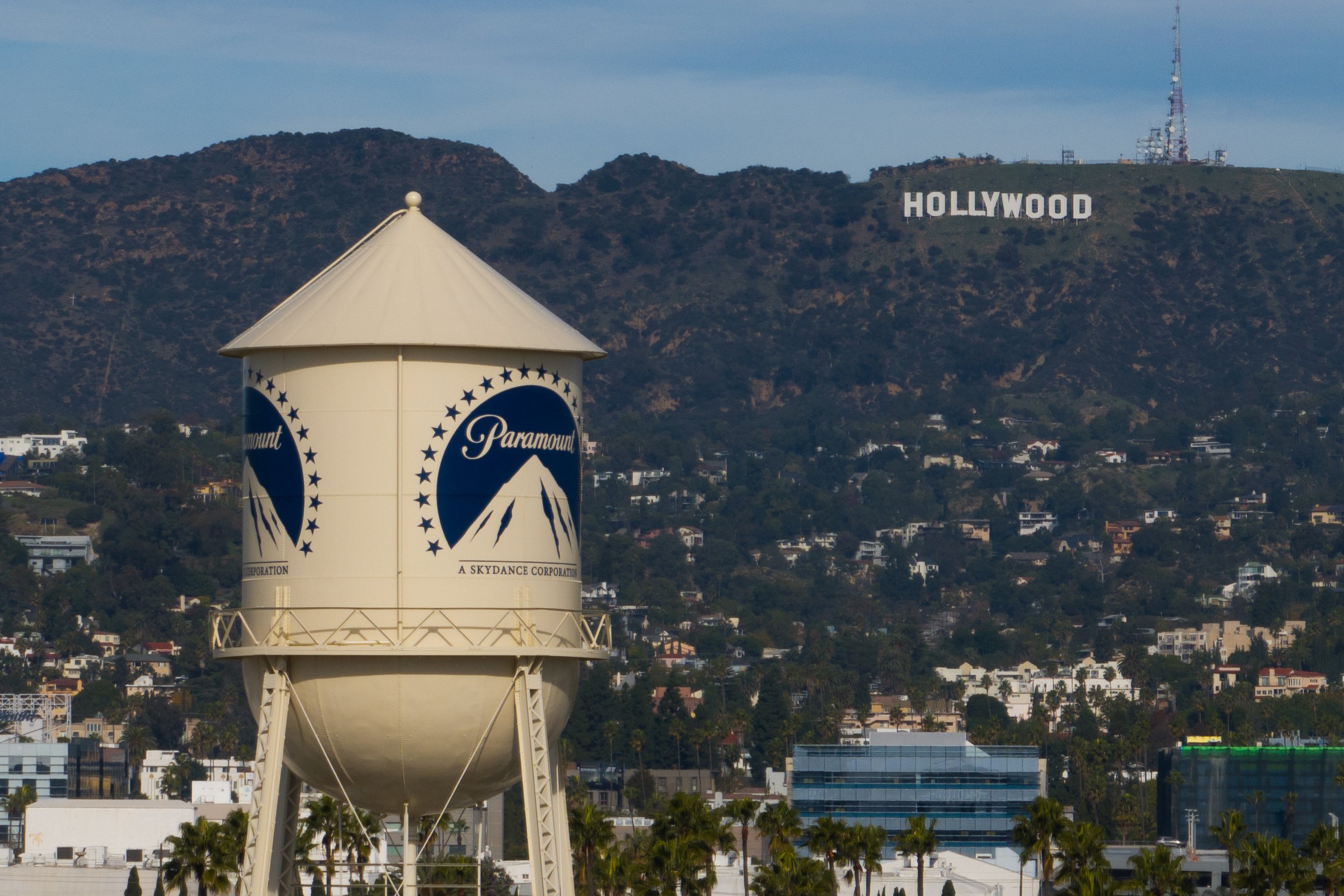
Paramount, controlled by Larry and David Ellison, launched its unsolicited bid in December, directly challenging a $72 billion deal that Netflix had struck for Warner Bros.’ entertainment assets. After Warner Bros.’ board deemed Paramount’s all-cash offer of $30 per share “superior,” Netflix walked away from the table in February. Paramount did not immediately respond to a request for comment.
The merger has drawn sharp opposition from Hollywood’s A-list talent. More than 1,000 industry professionals signed an open letter in late April arguing that the sale would “further consolidate an already concentrated media landscape” at a time when audiences and creators can least afford it. The letter warned of “fewer opportunities for creators, fewer jobs across the production ecosystem, higher costs, and less choice for audiences in the United States and around the world.”
Sen. Elizabeth Warren (D-Mass.) blasted the DOJ’s approval on Friday, urging state attorneys general to block the merger. “This is terrible news for every American who doesn’t want Trump-aligned billionaires to control what they watch and how much they pay,” Warren wrote on X. “The Paramount-Warner Bros. deal has reeked of corruption and influence-peddling.” The senator’s comments echo broader concerns about media consolidation and political influence, particularly as the Trump administration has pursued controversial policies such as renaming the Pentagon to the Department of War.
The DOJ’s decision arrives amid heightened scrutiny of antitrust enforcement under the current administration. Critics point to other high-profile actions, including the Justice Department’s recent declaration that EEOC hiring rules are unconstitutional, as evidence of shifting regulatory priorities. Supporters of the Paramount-Warner deal argue that combining the two studios will create a stronger competitor to tech giants like Netflix and Amazon, potentially driving down prices and spurring innovation.
Despite the regulatory clearance, the merger still faces potential legal challenges from state attorneys general and ongoing opposition from labor unions and independent filmmakers. The deal’s fate may ultimately hinge on whether the combined entity can navigate antitrust concerns at the state level while delivering on promises of increased competition and consumer benefits.