A federal panel stacked with Trump appointees voted Friday to advance a rewrite of the nation’s historic preservation regulations, a move the administration says will cut red tape but critics warn will silence public voices and spark litigation.
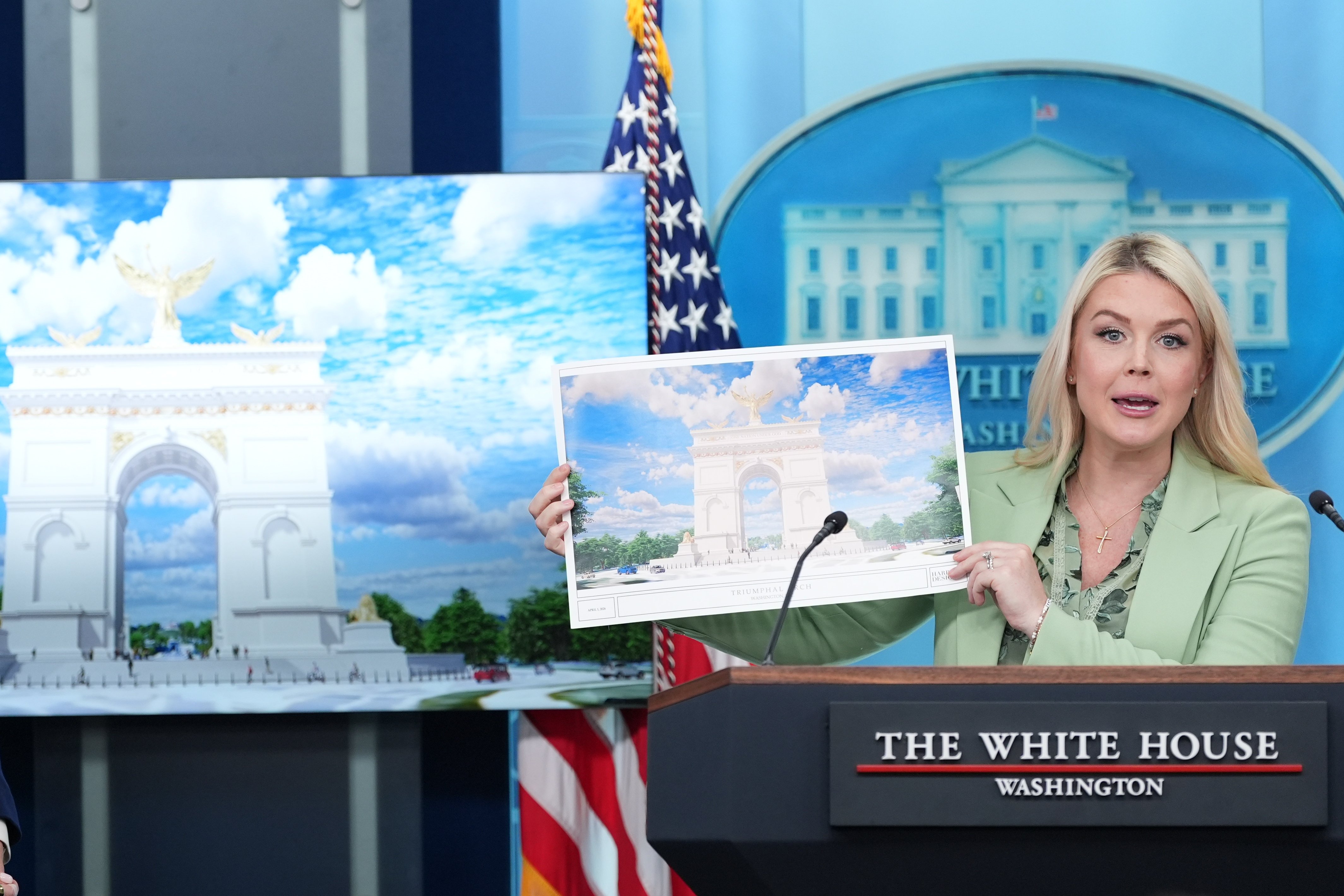
The Advisory Council on Historic Preservation, a body now dominated by political appointees, voted to propose revisions to the National Historic Preservation Act’s requirements for public consultation when projects may affect historic sites. Among the high-profile projects currently undergoing that review is President Trump’s planned Triumphal Arch in Washington, D.C. The proposed changes come as Trump has also sought to alter other D.C. landmarks, including the White House and the Kennedy Center.

If finalized, the rule changes could affect infrastructure projects near historic sites nationwide, potentially accelerating development by reducing the time agencies spend consulting with the public and experts. Ashley Fry, the council’s director of external engagement, said the draft rule will now enter the White House’s interagency review process before being published in the Federal Register. She did not release the draft text.
Travis Voyles, the council’s vice chair and a Trump appointee at the Environmental Protection Agency, said in February that the panel aims to “streamline” environmental reviews and regulatory programs. Other administration officials have echoed that call. Kevin Lilly, nominated to oversee fish and wildlife at the Interior Department, told lawmakers last month that the current process creates “multiple opportunities for delay.” He argued there is no regulatory timeframe for resolving adverse effects, making consultation “protracted and overly complicated.” Lilly added that the rules fail to clearly assign decision-making authority to federal agencies, which can lead to “endless consultation.”
Supporters of the existing rules, however, warn the overhaul will gut public participation. Greg Werkheiser, co-founder of Cultural Heritage Partners, predicted the new regulations will either eliminate public input or make it optional for federal agencies. “You’ve got to talk about it publicly. You’ve got to see if there’s alternatives. You’ve got to consult experts. You can’t just like hire the pool guy from Mar-a-Lago to put the blue paint down,” he said, adding that his group and others are “fully gearing up for litigation.”
The push to rewrite preservation rules is part of a broader Trump administration effort to speed up federal permitting and reduce regulatory hurdles. The panel’s vote also comes as the White House faces scrutiny over other policy moves, such as a House ethics probe into a Texas Republican and a federal judge rejecting a lawsuit over Trump’s religious liberty commission. Meanwhile, the administration’s scrapping of a rule linking disparities to school discrimination signals a wider deregulatory agenda.
Critics argue that limiting public consultation could harm efforts to protect historically significant sites, particularly those tied to marginalized communities. The current process requires agencies to consider alternative approaches and consult with experts before proceeding. Without those safeguards, opponents say, projects could proceed with minimal oversight, potentially damaging irreplaceable cultural resources.
The council’s vote is the first step in a lengthy rulemaking process. The White House will review the draft, and the public will have a chance to comment once it is published. But with legal challenges already anticipated, the final outcome remains uncertain.