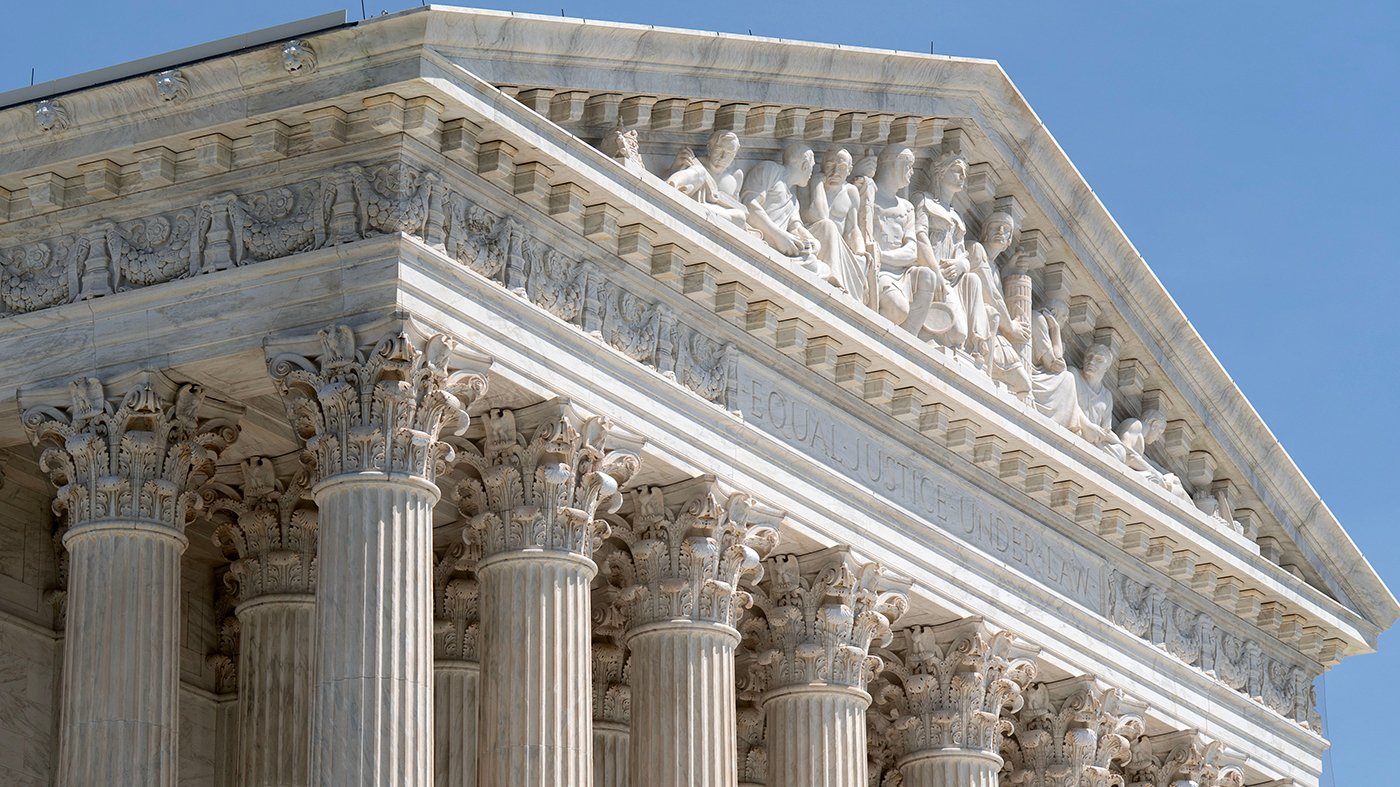
More than 50 academics sent a letter Monday to top congressional leaders, pressing them to restore the independence of federal agencies after last month's Supreme Court decision in Trump v. Slaughter. The ruling granted President Trump the authority to fire commissioners from independent agencies without cause, a move that has already disrupted operations at several key bodies.
The professors argue that the decision has effectively stalled business at the Consumer Product Safety Commission, Federal Election Commission, Merit Systems Protection Board, and National Labor Relations Board. These agencies are struggling to maintain a quorum—the minimum number of members needed to conduct official business—leaving them unable to implement regulations or enforce laws.

In their letter, addressed to Senate Majority Leader John Thune (R-S.D.), Senate Minority Leader Chuck Schumer (D-N.Y.), Speaker Mike Johnson (R-La.), and House Minority Leader Hakeem Jeffries (D-N.Y.), the educators warned that the ruling creates vulnerabilities that any administration could exploit. “The faithful implementation of law is not a partisan concern. Strategic vacancies are a tool available to any administration, of either party, and the vulnerabilities will outlast this President,” they wrote, according to a copy reviewed by The Hill.
Single-Member Control Raises Concerns
The letter highlights the case of the National Credit Union Administration, where after Trump fired two of its three board members in April 2025, the remaining chair, Kyle Hauptman, declared that a single member constitutes a quorum. The professors noted that the board has interpreted the statutory requirement of “a majority of the Board” to mean a majority of whoever remains, allowing Hauptman to govern alone for over a year. He is now leading a proceeding to repeal or scale back 31 regulations on his own.
“This defeats Congress’s intent for commissions to act through collective decisionmaking,” the academics argued. They warned that similar scenarios could play out at other agencies, undermining the bipartisan structure Congress designed for independent commissions.
Proposed Reforms
The group of academics proposed several reforms to hold the president accountable and increase the cost of dismantling commissions. They called on lawmakers to institute a default quorum rule that would prevent a single appointee from governing an agency. Additionally, they urged requiring presidents to nominate replacements within 90 days after firing commissioners, and granting individuals the right to file claims in federal court when an adjudicatory agency lacks a quorum to hear them.
“A range of reforms would hold the President accountable and increase the cost of dismantling commissions,” the professors added. The proposals aim to restore the checks and balances that independent agencies were designed to provide, especially as the administration continues to assert broad executive authority.
Political Context
The Supreme Court ruling has broader implications for the balance of power between the executive branch and independent regulatory agencies. It comes as Trump has pushed to overhaul federal rules and personnel, including through a panel that seeks to change historic preservation rules, drawing legal challenges. The decision also aligns with the administration's efforts to tighten voting restrictions, as seen in the request to the Supreme Court to reinstate mail-in voting restrictions ahead of midterms.
Offices for Thune, Schumer, Johnson, and Jeffries did not immediately respond to requests for comment. The letter underscores growing concern among legal scholars and policy experts that the ruling could fundamentally alter the functioning of independent agencies, with lasting effects on regulatory enforcement and consumer protection.