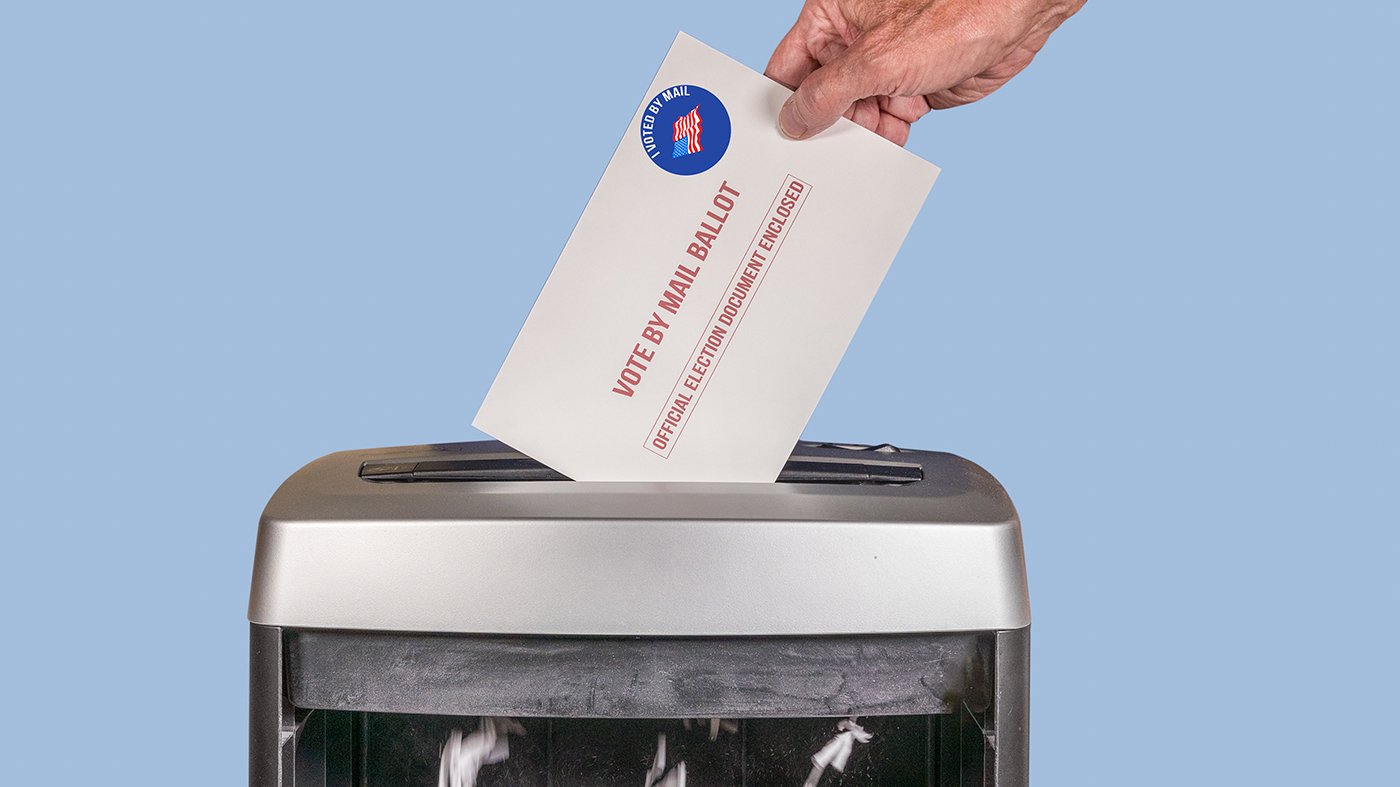
The Trump administration is pressing the Supreme Court to revive a contested executive order tightening mail-in voting rules, arguing a lower court intervened too early in the process. Solicitor General D. John Sauer filed an emergency application Monday, urging the justices to set aside an injunction issued by a federal judge in Boston.
Sauer contended that the courts lack authority to block the order because federal agencies—including the U.S. Postal Service—are still determining how to carry out the president's directive. “The injunction is especially indefensible because the agencies are still deliberating over how (if at all) to implement the Order,” he wrote, adding that the district court “preemptively decided that whatever the agencies may choose to do will necessarily be unlawful.”
President Trump signed the executive order in March, part of a broader effort to reshape election administration. The order directs the Department of Homeland Security to compile a verified list of eligible voters and instructs USPS to impose stricter requirements on states that conduct voting by mail. Trump has repeatedly claimed—without broad evidence—that mail-in voting is plagued by widespread fraud.
U.S. District Judge Indira Talwani, an Obama appointee, halted portions of the order last month, ruling that they violated the separation of powers. The 1st U.S. Circuit Court of Appeals declined Saturday to lift that block, prompting the administration to turn to the Supreme Court.
With midterm elections approaching, the administration argues that time is running out. Sauer warned that any changes to voter-roll verification or absentee ballot rules must be implemented by early to mid-August to comply with state election deadlines. “That problem is even more acute,” he wrote, noting that delays could render the order moot for the 2025 midterms.
The emergency filing marks the Trump administration's 35th such application to the Supreme Court—a pace critics say reflects a pattern of overreach. The Justice Department counters that the surge is a response to judges exceeding their authority. This latest request first lands before Justice Ketanji Brown Jackson, who handles emergency matters from the 1st Circuit. While she could act alone, the full Court typically weighs in on administration applications.
Democratic-led states challenging the order have until next Monday to respond in writing. The case is the latest flashpoint in a broader debate over election integrity and executive power, with implications for how millions of Americans cast ballots this fall.

