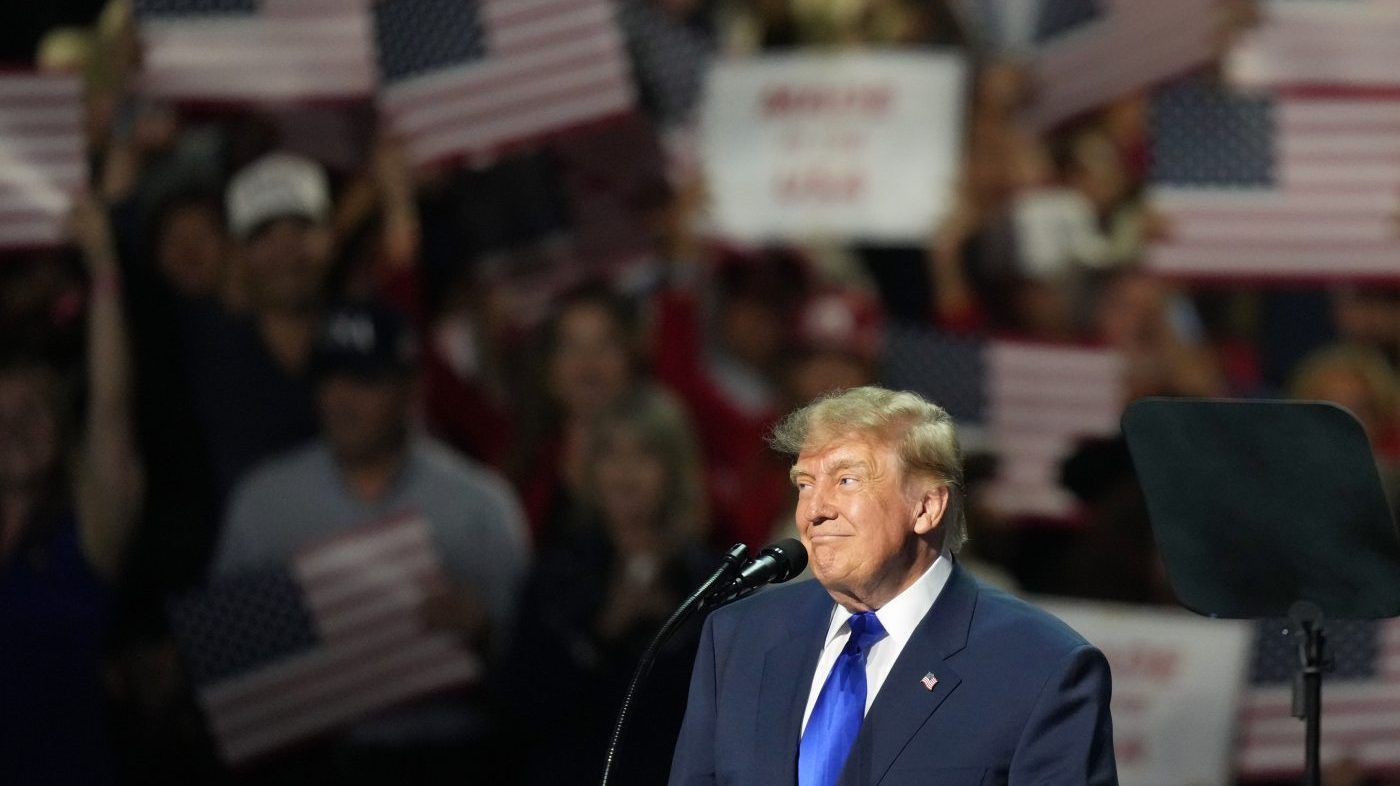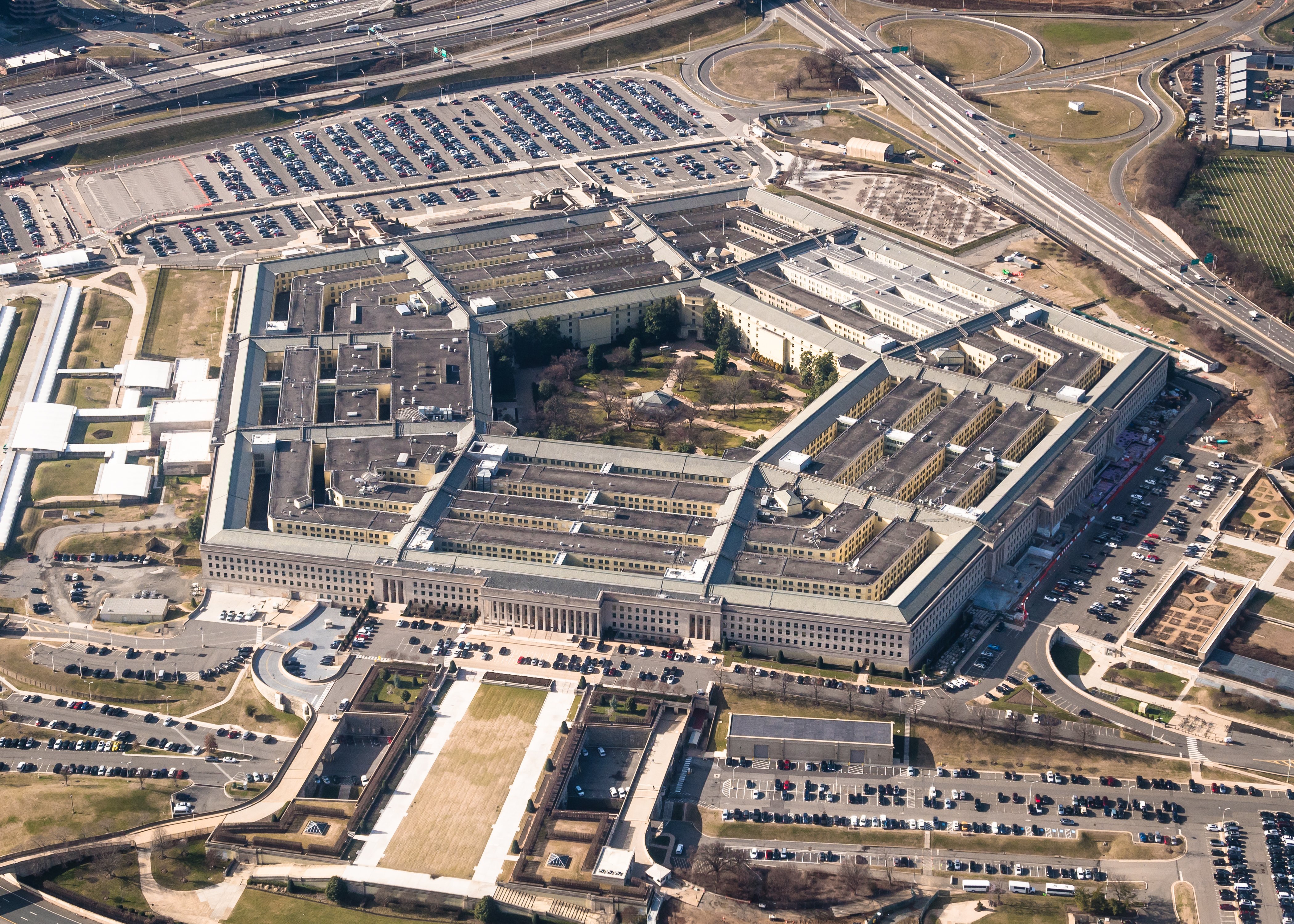
Senate Republicans on the Armed Services Committee have moved forward with the Trump administration's push to rename the Department of Defense the Department of War, embedding the change in their version of the annual defense authorization bill.
The provision, included during closed-door negotiations on the fiscal 2027 National Defense Authorization Act, would formally revert to the pre-1947 moniker favored by President Trump and Defense Secretary Pete Hegseth. The committee voted 18-9 along party lines Wednesday to advance the legislation, with details emerging Thursday.

Sen. Tim Kaine (D-Va.) publicly cited the name change as a key reason for his opposition, calling it a "juvenile move" that underscores the administration's preference for military confrontation over diplomacy. "Rather than taking steps to end this deeply unpopular [Iran] war, this bill rebrands the Department of Defense as the Department of War, a juvenile move that sadly describes the reality of a President who has abandoned meaningful diplomacy in favor of starting doubtful wars in multiple locations and threatening even more," Kaine said in a statement.
The committee's action brings Trump's executive order from September—which authorized the new name and gave Hegseth the title of Secretary of War—closer to becoming permanent law. Congress must still codify the change, and the House Armed Services Committee last week approved a similar amendment from Rep. Ronny Jackson (R-Texas) in a party-line vote. "Now that you can see firsthand how beautiful it actually is, you will have no choice [but] to vote for this amendment," Jackson said, as Rep. Pat Fallon (R-Texas) displayed the Pentagon's logo with the new name.
Democrats have lambasted the rebranding effort. Rep. Adam Smith (D-Wash.), the ranking member on the House panel, called it "one of the dumbest things that has been done by this administration." The Congressional Budget Office estimated in January that fully switching the Pentagon's official title could cost up to $125 million, covering signage, stationery, and other administrative changes.
The original Department of War was established in 1789 under President George Washington and renamed in 1947 when the Truman administration split the Air Force from the Army and merged them with the Navy into the Defense Department. Critics argue the name change signals a bellicose shift in U.S. foreign policy, especially amid ongoing tensions with Iran, as highlighted by Sen. Lindsey Graham's endorsement of Trump's plan to seize Iran's Kharg Island.
The NDAA now heads to the full Senate, where it is expected to face further debate. The Trump administration has made the name change a priority, but the cost and symbolism have fueled bipartisan pushback. Meanwhile, other defense policy debates continue, including a Senate panel's probe into AI's role in cutting costs and boosting innovation.
If enacted, the Department of War would mark a return to terminology that many see as outdated and aggressive, a move that could further strain relations with allies and adversaries alike. The final outcome will depend on floor votes in both chambers and potential White House action.