The Justice Department returned to federal court Thursday to defend the Kennedy Center board's latest attempt to honor President Trump, arguing that new inscriptions do not amount to an illegal renaming of the institution.
During a nearly two-hour hearing before U.S. District Judge Christopher Cooper, a DOJ attorney described the performing arts center as being in a state of "structural and financial disarray" and said the inscriptions were meant to acknowledge Trump's role in its restoration. "We think it's quite clear that there's no renaming here," the lawyer asserted, pushing back against claims that the board's decision violates the federal statute establishing the Kennedy Center as a living memorial to President John F. Kennedy.
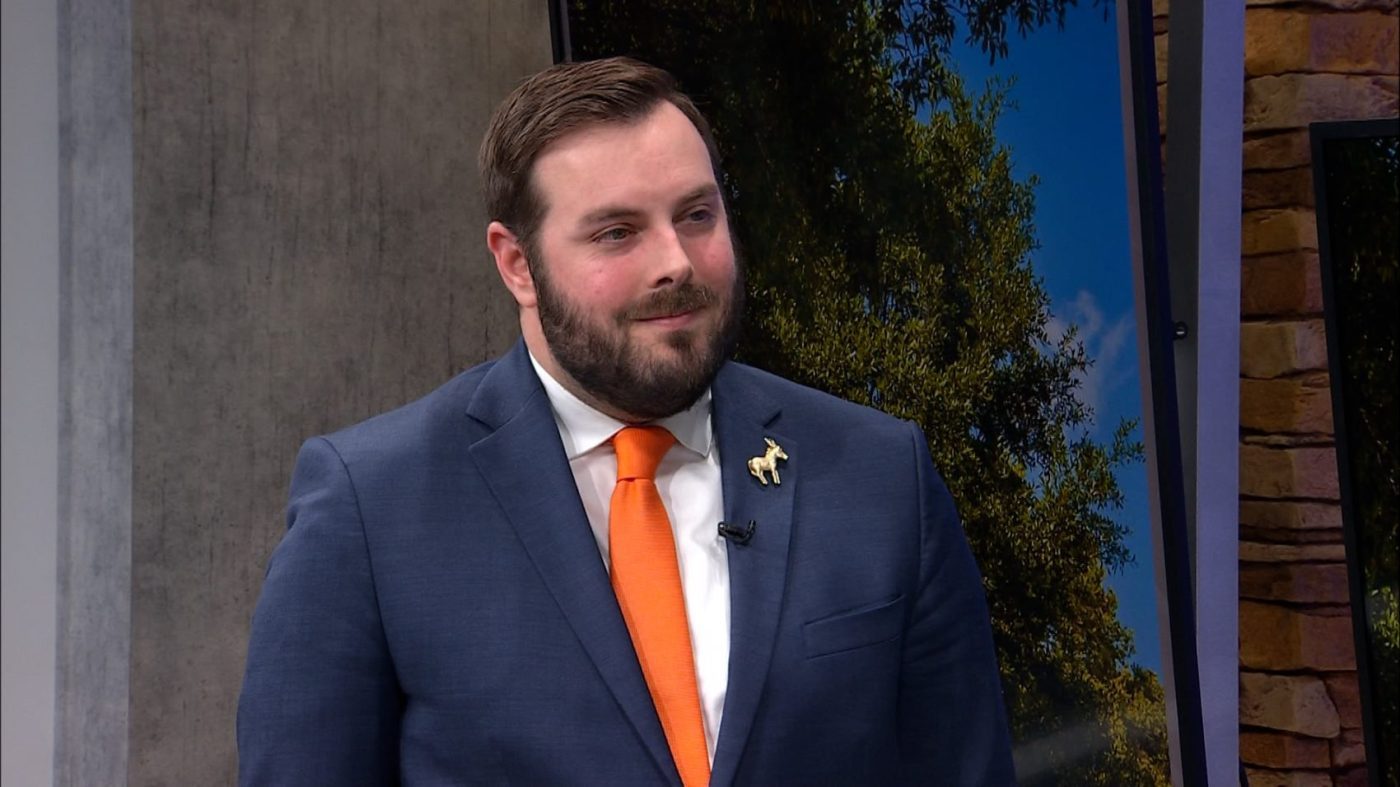
The hearing stems from a lawsuit filed by Rep. Joyce Beatty (D-Ohio), an ex officio board member who has sought to block the changes. Her attorney, Nathaniel Zelinsky, told the court that the board's actions have plunged the institution into a "crisis" and that the inscriptions are a "smoke screen for financial mismanagement." Judge Cooper, an appointee of former President Obama, did not rule from the bench.
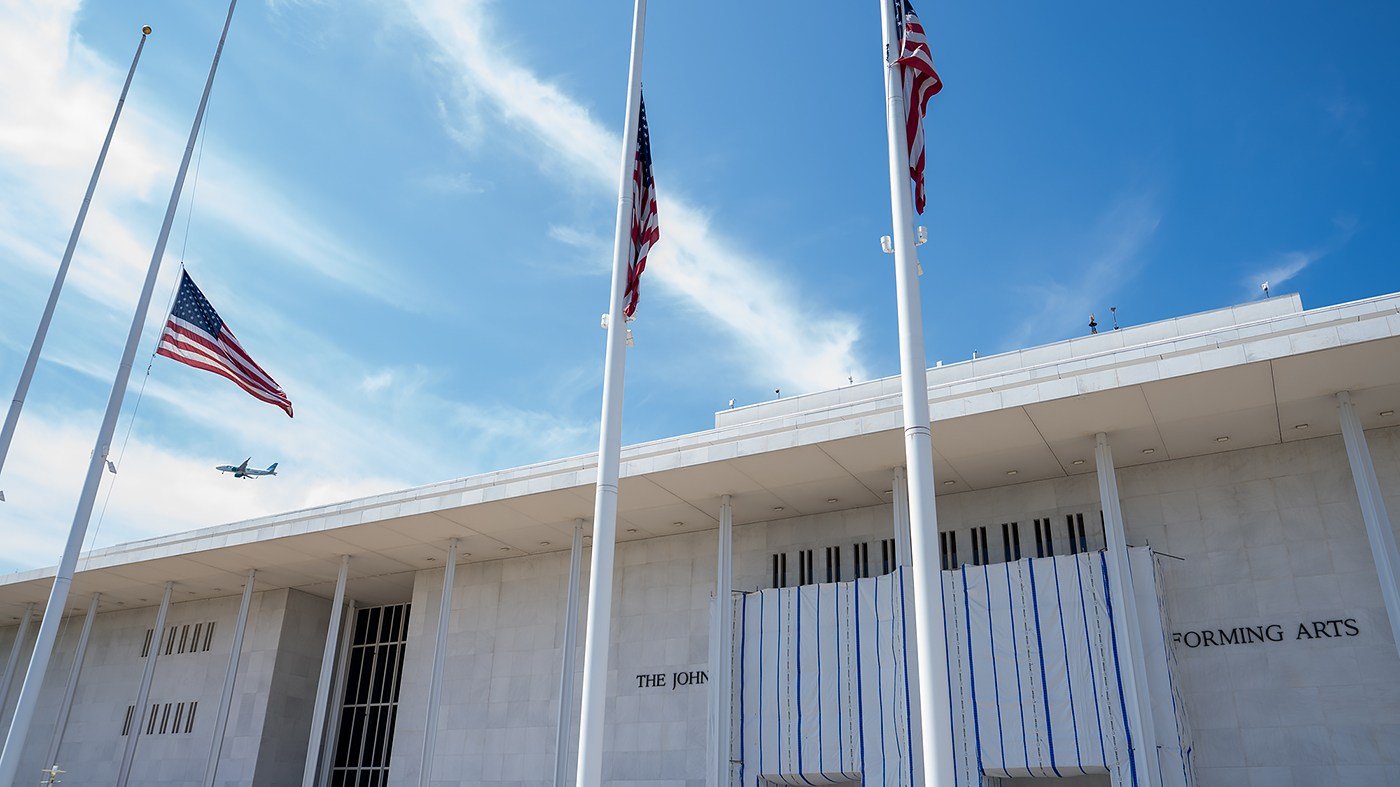
The dispute dates back to late May, when Cooper blocked a prolonged closure for renovations but allowed necessary maintenance to proceed. He also ordered Trump's name removed from the building's facade, ruling that only Congress has the authority to change the name. The Justice Department's attempts to pause that order were unsuccessful, and the lettering was stripped early on June 13, then covered with a tarp.
Earlier this month, the board voted to add two new inscriptions reading "renovated and restored by President Donald J. Trump" and "endowed by the Trump Kennedy Center Fund." The board also approved renaming the campus for Trump and revived plans for a two-year, $257 million renovation project.
Beatty's legal team described the board's latest move as an "end run around" Cooper's ruling and "breathtaking" defiance. The Kennedy Center has agreed not to implement any of the plans until at least Sept. 8.
The case has become a flashpoint in the broader political battle over Trump's influence on cultural institutions, with Republicans framing the changes as necessary reforms and Democrats accusing the board of partisan overreach. The outcome could set a precedent for how much latitude presidential appointees have in reshaping federal memorials.
As the legal fight continues, observers note that the dispute is drawing attention to the political fallout for Republicans as they head into the midterms. Meanwhile, similar legal battles over executive actions are playing out in other federal arenas.