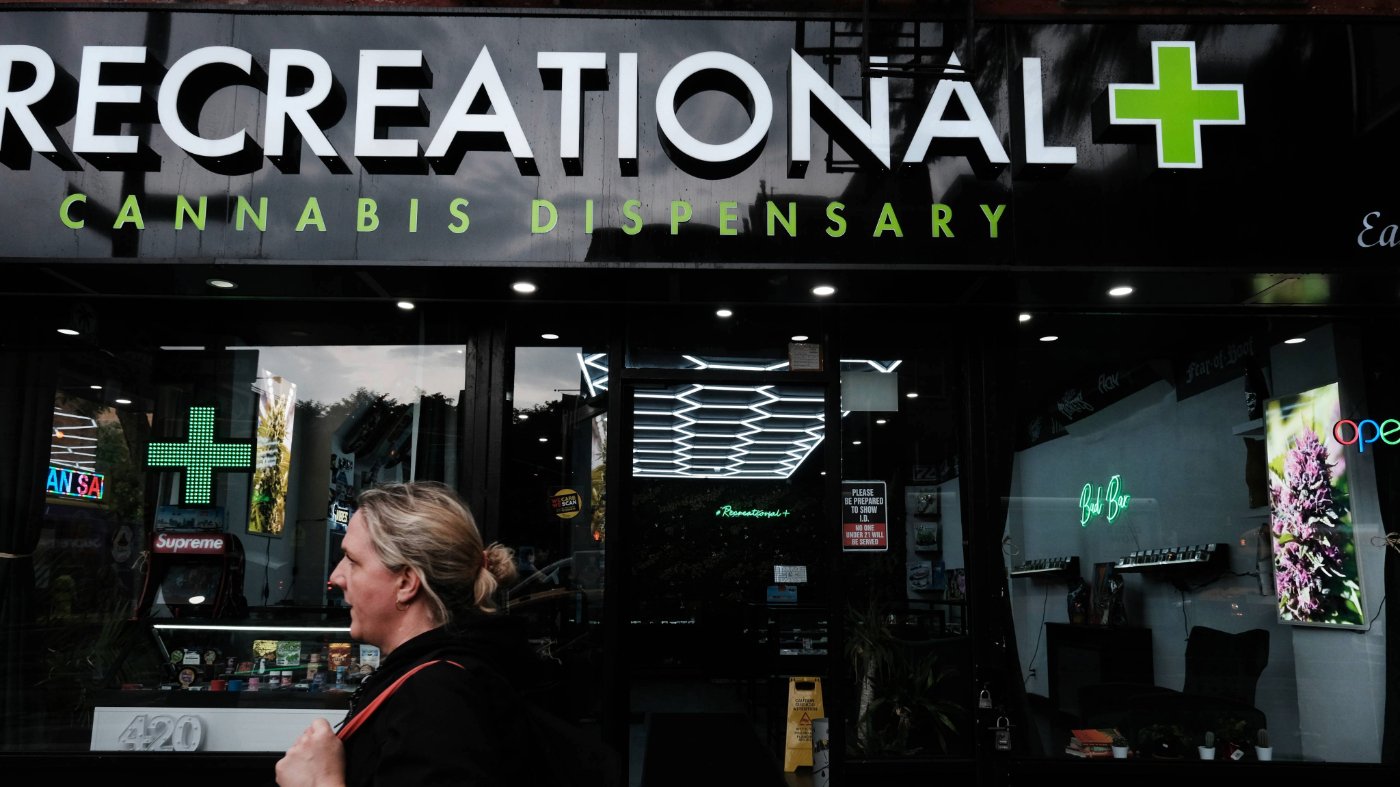
Each April 20th serves as a stark political reminder: marijuana legalization has moved from counterculture to consensus. A solid majority of Americans now endorse legal cannabis, with support spanning demographic and partisan divides. This shift has been driven primarily by voter-led ballot initiatives, not political leadership, yet the Democratic Party—historically aligned with this movement—has largely failed to translate this alignment into political capital.
A Fractured Coalition and Missed Opportunities
For years, legalization efforts were powered by an unlikely alliance of civil libertarians, racial justice advocates, and philanthropic backers like George Soros, who funded campaigns against the drug war. Simultaneously, cultural influencers, including podcaster Joe Rogan, have championed legalization on grounds of personal freedom and mental health. Despite overlapping goals, no cohesive political narrative has emerged, leaving a vacuum filled by partisan noise. This fragmentation represents a significant strategic failure for Democrats, who have been slow to claim ownership of an issue where public opinion is firmly on their side.
The Next Frontier: Psychedelics
The policy battleground is already expanding. Emerging research indicates therapeutic potential for psychedelics like psilocybin and MDMA in treating PTSD, depression, and addiction, with clinical trials showing particular promise for veterans. As cities and states begin to decriminalize or create regulated access programs, public sentiment is tracking a similar trajectory to cannabis a decade ago. Democrats now face a choice: lead with a clear, science-based framework or risk ceding ground. Former President Trump has already taken administrative action, initiating the rescheduling of marijuana and expediting reviews of certain psychedelics through executive orders. To cede this policy territory would be a profound political miscalculation.
The principle extends beyond illicit substances. Consider nicotine, where cigarettes remain a leading cause of preventable death, disproportionately affecting marginalized communities. While not without risk, alternatives like vaping and nicotine pouches present a demonstrable harm reduction pathway. Yet, a sluggish and inconsistent regulatory approach has fostered a dangerous black market for unregulated products. Meanwhile, conservative media figures have begun embracing these alternatives as part of a cultural appeal, particularly to younger male voters. Democrats, despite having a stronger public health argument rooted in regulated harm reduction, have largely retreated from this debate.
The Political Stakes of Policy Inaction
This is more than a policy gap; it's a widening political vulnerability. The party has an opportunity to construct a modern coalition by championing a coherent philosophy: trust science, reduce harm, and respect personal autonomy. This means aggressively supporting cannabis legalization, advancing responsible psychedelic research and access, and accelerating science-based approvals for reduced-risk nicotine products—all underpinned by rigorous safety standards.
The era of blanket prohibition is ending, replaced by the ascendant politics of harm reduction. By articulating this shift clearly and confidently, Democrats could align with a powerful electoral majority. Failure to do so not only forfeits a policy advantage but also ignores a potent tool for building durable political coalitions. As the political landscape evolves, the party's reluctance to lead on these issues stands in stark contrast to the aggressive, if chaotic, posture of the Trump movement, which continues to seek openings on cultural fronts.
The consequences of inaction are tangible. While Democrats hesitate, the opposition framework gains traction, potentially reshaping voter perceptions ahead of critical elections. The party's challenge is to move from passive alignment to active, unambiguous advocacy, transforming popular policy positions into a defining political identity.