Democratic strategists and a growing field of potential 2028 presidential contenders are executing a fundamental shift in political communication, moving decisively away from traditional media channels toward the creator economy. The strategy, aimed at projecting authenticity and reaching voters where they consume content, sees candidates appearing on sports podcasts, lifestyle shows, and social media platforms where policy discussions are often secondary to personal narrative.
The Authenticity Imperative
"Voters have moved past the era of the perfectly polished candidate," said Democratic strategist Anthony Coley. "Genuine connection now matters more than ever, and candidates who can demonstrate how they think in relaxed, nontraditional forums have a distinct advantage." Another consultant involved in the approach framed it more bluntly: the new benchmark for a strong candidate is the ability to engage in extended, casual conversation.
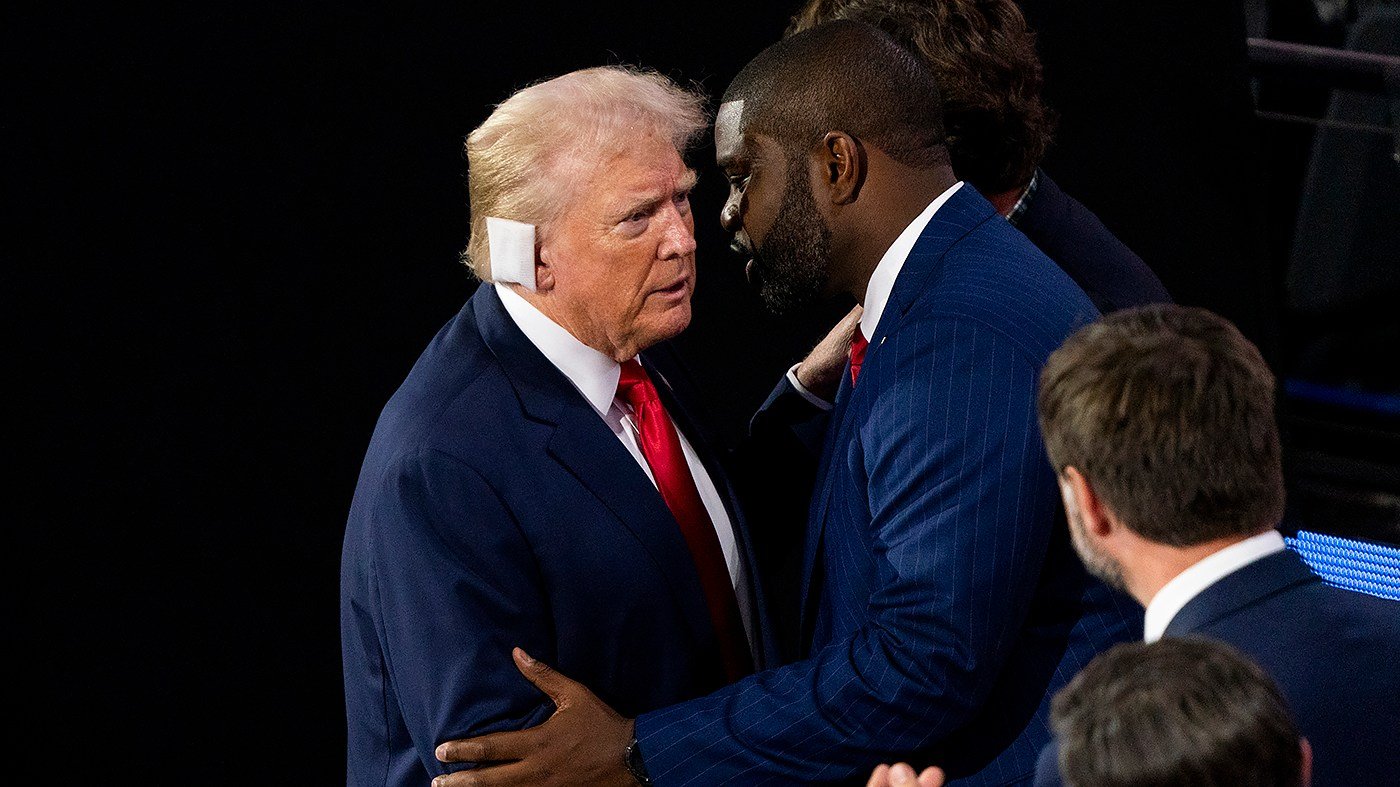
This pivot follows lessons from the 2024 cycle, where the Trump campaign's heavy reliance on digital creators to amplify its message demonstrated the declining reach of legacy media. "The media landscape is fractured, and while Republicans may have recognized it first, the reality is universal: you cannot depend solely on established press outlets," noted Democratic strategist Rodell Mollineau. "A modern campaign must be omnipresent." This recognition comes as Democrats face internal criticism for ineffective voter communication, a factor some blame for depressed turnout in key constituencies.
Candidates in the Creator Arena
The new playbook is already in active use by several governors seen as future White House hopefuls. Maryland Governor Wes Moore recently appeared on Dan Le Batard's "South Beach Sessions," sharing personal stories about his youth and military school initiation rather than delivering policy speeches. Illinois Governor JB Pritzker, another potential 2028 candidate, has incorporated creator interviews into his media strategy, including a conversation with a local food blogger about his wife's chili recipe.
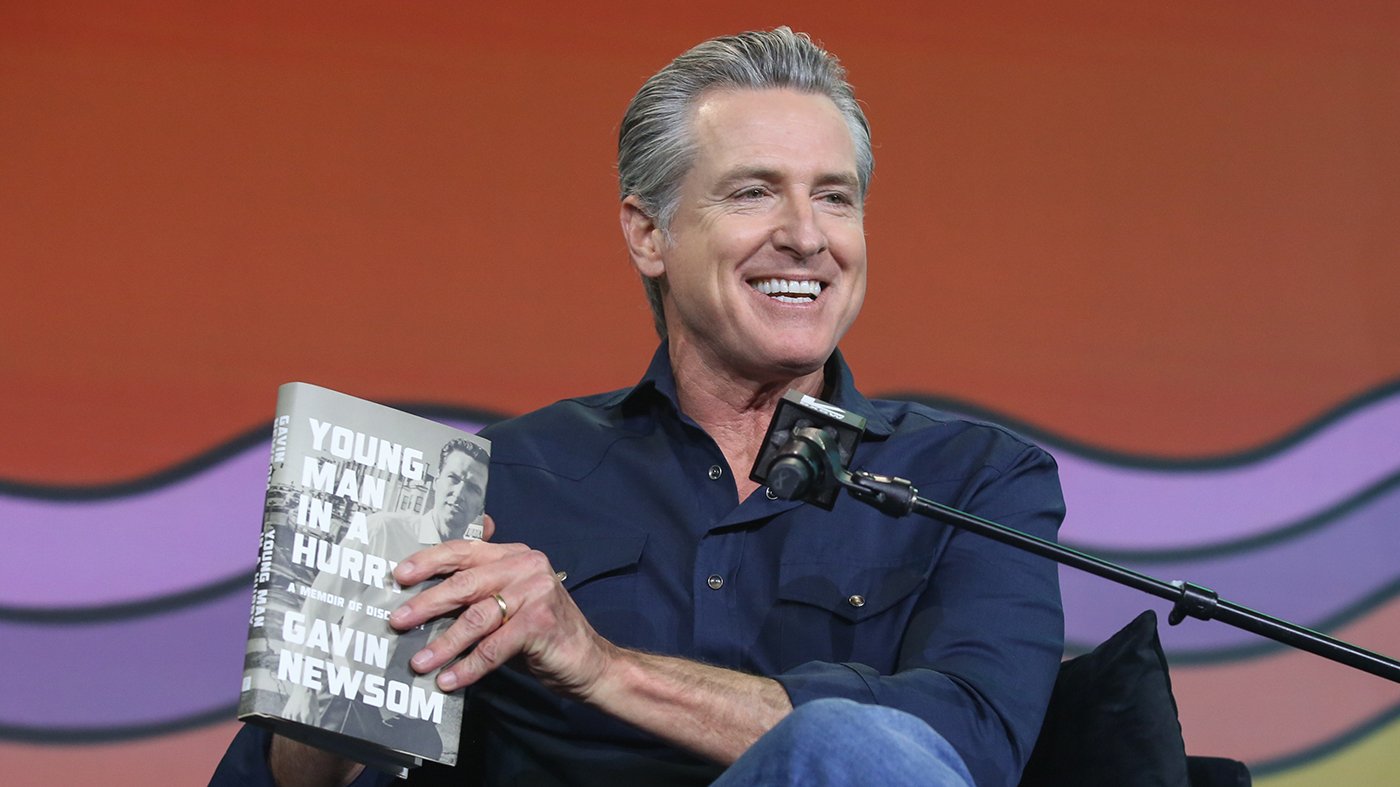
California Governor Gavin Newsom has perhaps gone furthest, centering creators during a recent book tour. According to a post by his rapid response director, Brandon Richards, 18 of Newsom's 22 interviews across nine stops were with creators, spanning platforms from Snapchat and TikTok to Twitch and YouTube. In one emotional session with influencer JoJofromJerz, Newsom discussed his mother's journey as a single parent.
Pennsylvania Governor Josh Shapiro explicitly acknowledged the strategic value, stating after meetings with ten creators that "online voices are critical to our reelection." He has also produced his own content, such as an interview with former Philadelphia 76ers executive Billy King that blended sports nostalgia with personal reflection. Similarly, Kentucky Governor Andy Beshear has engaged in wide-ranging conversations, from leadership with former coach Rick Pitino to pop culture topics like a Bad Bunny Super Bowl performance.
A Playbook Forged in the Digital Age
Many credit Representative Alexandria Ocasio-Cortez with pioneering this more direct, informal approach for Democrats through her regular "Instagram Live" sessions, where she fields questions from followers while at home, often in casual attire. This model of unfiltered access is now being scaled by presidential aspirants seeking to replicate that perceived authenticity.
The strategic embrace of alternative media occurs alongside growing scrutiny of traditional institutions. Recent developments, such as the Pentagon's closure of a press workspace following a court ruling and the FCC's revival of a 1934 equal opportunity rule, highlight the evolving and sometimes contentious relationship between power and the press. Furthermore, as Democrats refine their voter outreach, tools like the new primary voter targeting tool unveiled by DSPolitical will work in tandem with these media efforts to identify and mobilize supporters.
This shift is not without internal party tensions, as seen in other areas like the revolt facing Colorado's governor over a clemency case or the divisions surrounding a DHS nomination. The strategy also carries risks, potentially trading substantive policy debate for viral moments. However, for Democrats aiming to capture the White House, the calculation is clear: to win in a fragmented information environment, candidates must be prepared to shoot the breeze anywhere an audience gathers.