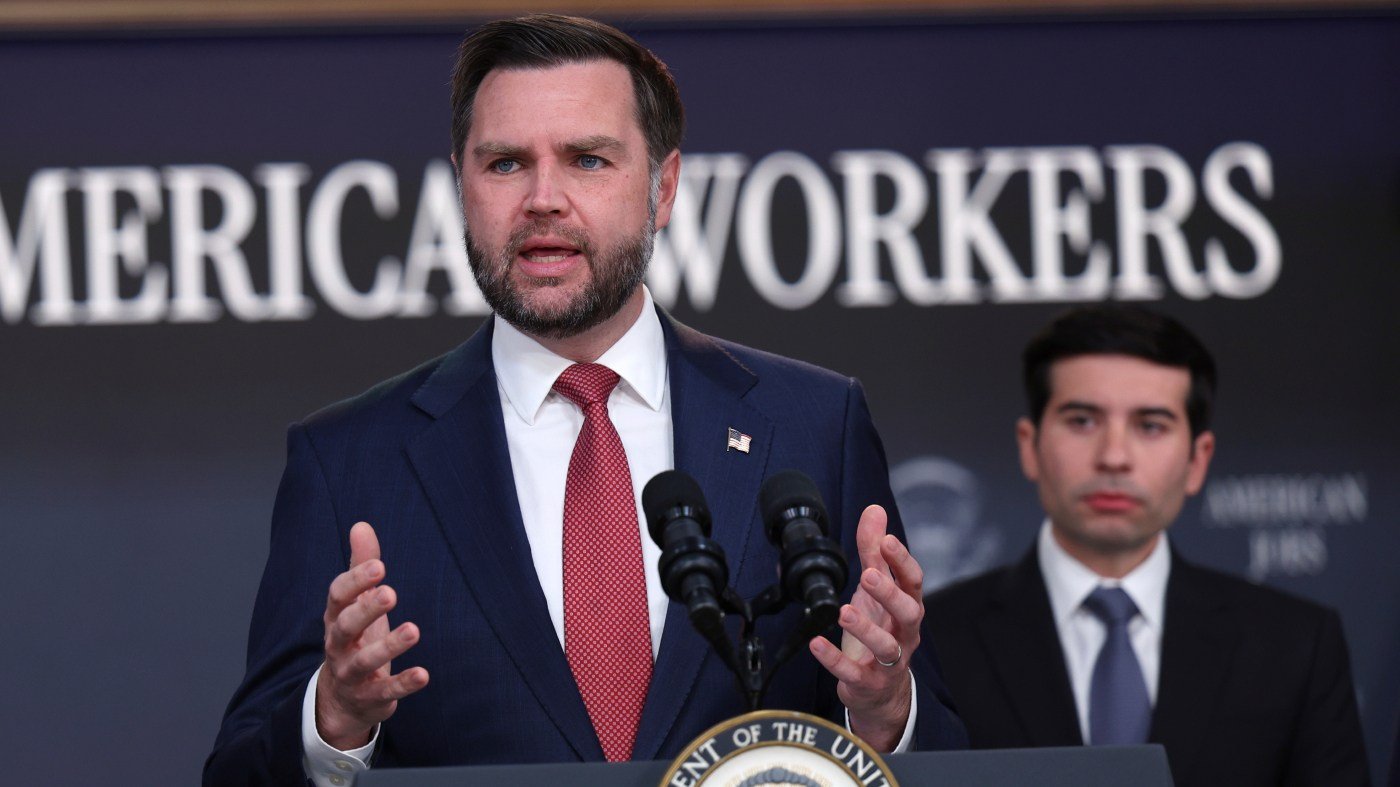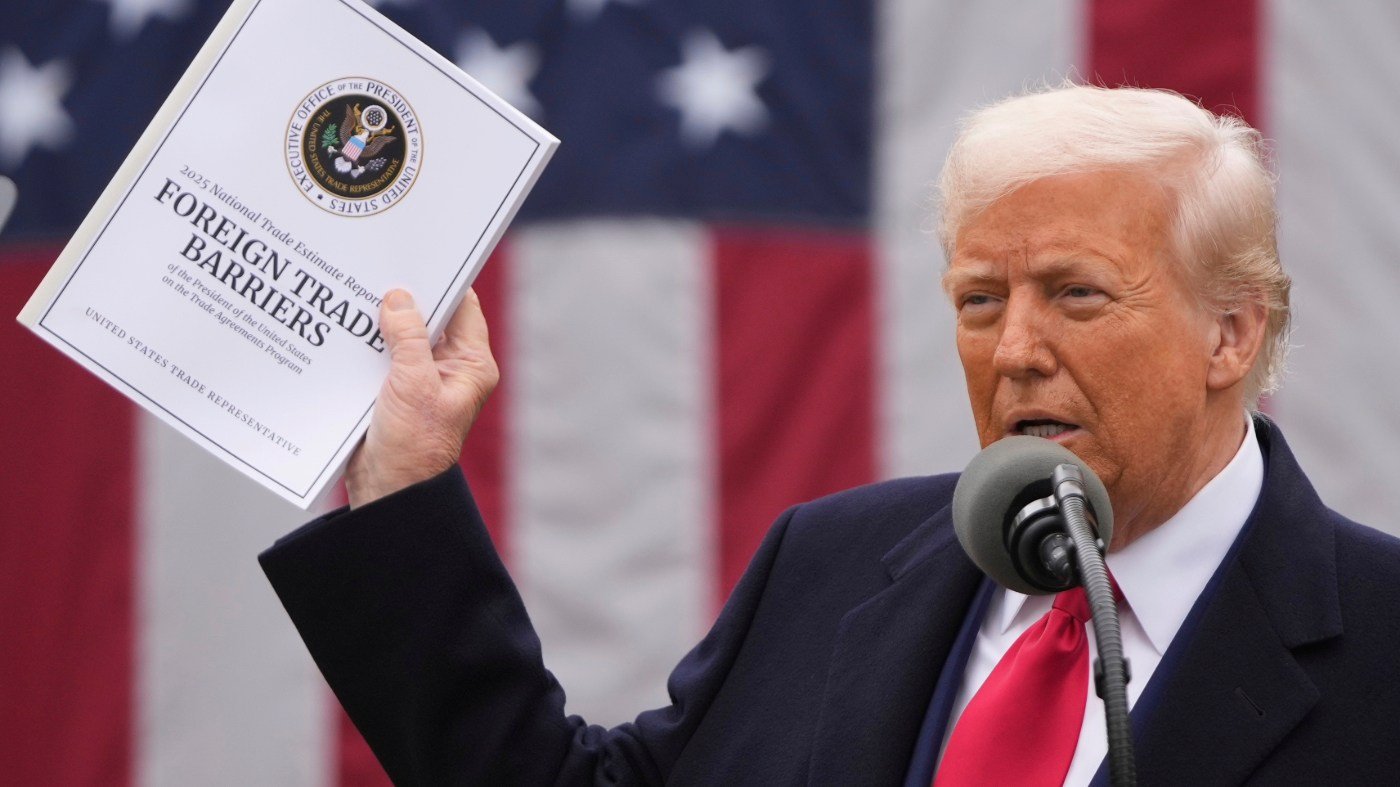
President Trump's most lasting imprint on U.S. trade policy may not be the tariffs themselves, but the political realignment they are triggering. Democrats, once the party of free trade, are now leading the charge to constrain presidential tariff authority—a shift that could outlast Trump and reshape how Congress and the White House share power over trade.
On the campaign trail, Democratic candidates are hammering Trump's tariffs for raising consumer prices and undermining affordability. That message resonates widely: a January Council on Foreign Relations–Morning Consult poll found that over 65 percent of Americans believe tariffs make everyday goods less expensive. But Democrats are going beyond the economic argument, targeting the legal foundations of Trump's trade actions.

The administration has bounced between statutes after the Supreme Court rejected its use of the International Emergency Economic Powers Act for sweeping tariffs. In May, the Court of International Trade ruled that Trump's 10 percent tariffs exceeded the authority delegated under Section 122 of the Trade Act of 1974, rejecting the administration's attempt to equate the trade deficit with a "large and serious" balance-of-payments problem. That ruling is on hold pending appeal.
Legal challenges also target the Section 301 "forced labor" tariffs, with the court questioning whether the government established a direct link between each targeted country's conduct and the statutory basis for the duties. Without that connection, Section 301 could become an open-ended trade war authority rather than the targeted remedy Congress intended.
These cases are testing the limits of executive tariff power, but Democrats are asking a broader question: did Congress delegate too much authority in the first place? In July, Sen. Ron Wyden (D-Ore.) answered with the Congressional Trade Powers Reform Act of 2026, which would require congressional approval for new tariffs, create a bipartisan Joint Committee on Tariffs and Trade, and boost oversight of the U.S. Trade Representative. Wyden said the goal is to reverse executive overreach and put Congress "back in the driver's seat" on trade.
In September, Senate Democrats offered more targeted measures. Sen. Jacky Rosen (D-Nev.) introduced a resolution opposing Trump's use of Section 338 of the Tariff Act of 1930 to impose duties on Canadian goods, citing higher costs for consumers and businesses, disruption of North American supply chains, and the risk of Canadian retaliation. Rosen, along with Sens. Kirsten Gillibrand (D-N.Y.), Peter Welch (D-Vt.), and Amy Klobuchar (D-Minn.), also introduced the BAD DEAL Act, which would repeal Section 338, nullify actions taken under it, and refund collected duties.
Senate Democratic Leader Chuck Schumer (D-N.Y.) went further with the End Trump's Tariff Tax Act, which would terminate the Section 301 forced labor tariffs, repeal Sections 122 and 338, and require automatic refunds with interest. These proposals are largely symbolic for now, but they signal a policy direction that could become law if Democrats regain power.
Republicans face a dilemma. Many have defended Trump's tariffs as negotiating leverage or protection for domestic industries, but as courts narrow executive authority, the middle ground is shrinking. Some GOP lawmakers have already opposed certain tariffs or called for more congressional oversight. After Trump leaves office, the party could revert to its traditional preference for lower tariffs and open markets, as economists Phil Gramm and Donald Boudreaux have argued.
Democrats must also decide what they truly oppose. If the objection is presidential discretion, then restoring congressional control may suffice—tariffs would remain a policy tool, but with greater legislative oversight. If the objection is the economic cost of tariffs themselves, then the post-Trump challenge will be figuring out when tariffs are useful and how to use them without repeating the price hikes and supply chain disruptions they now criticize.
The politics of trade have been scrambled by Trump. The real test is whether both parties scramble back once he leaves office. If they don't, Trump's most enduring legacy on trade may be the partisan realignment he leaves behind—one that could permanently shift the balance of power between Congress and the presidency on trade policy.