In a fresh display of executive overreach, President Trump has unilaterally canceled $810 million in congressionally authorized spending, further eroding the legislative branch's constitutional power of the purse. This action, which the Government Accountability Office has formally objected to, has finally sparked bipartisan frustration in Congress, with lawmakers quietly exploring ways to fortify future appropriations bills against such presidential maneuvering.
But experts and lawmakers alike argue that more than tweaking spending bills is needed. Congress must take a hard look at its own historical precedents and reassert its authority over both fiscal matters and war-making, areas where presidents have repeatedly tested constitutional limits.
The Power of the Purse Under Siege
The framers of the Constitution envisioned Congress as the primary arbiter of taxpayer dollars, granting it exclusive authority to decide how federal funds are allocated. While tension between the executive and legislative branches over spending is as old as the republic, Trump's aggressive tactics—including freezing funds for independent agencies and withholding billions in foreign aid—have pushed the boundaries further than any modern predecessor.
This power struggle echoes the 1970s, when President Richard Nixon impounded billions of dollars that Congress had directed be spent. In response, lawmakers passed the Impoundment Control Act, which explicitly requires the president to spend appropriated funds in most cases. However, presidents have since exploited ambiguities in that law to justify delays and freezes, and the Trump administration has escalated this to unprecedented levels.
Courts have often stepped in to force the administration to release congressionally approved money, but the burden should not rest solely on the judiciary. Congress must enact proactive measures to close the loopholes that allow presidents to circumvent its authority. This includes overhauling the Impoundment Control Act to eliminate vague language, strengthening oversight mechanisms to track the flow of funds, and imposing stricter rules on the use of private donations for presidential projects—a tactic Trump used to renovate the White House ballroom, bypassing normal appropriations processes.
War Powers: The Next Frontier
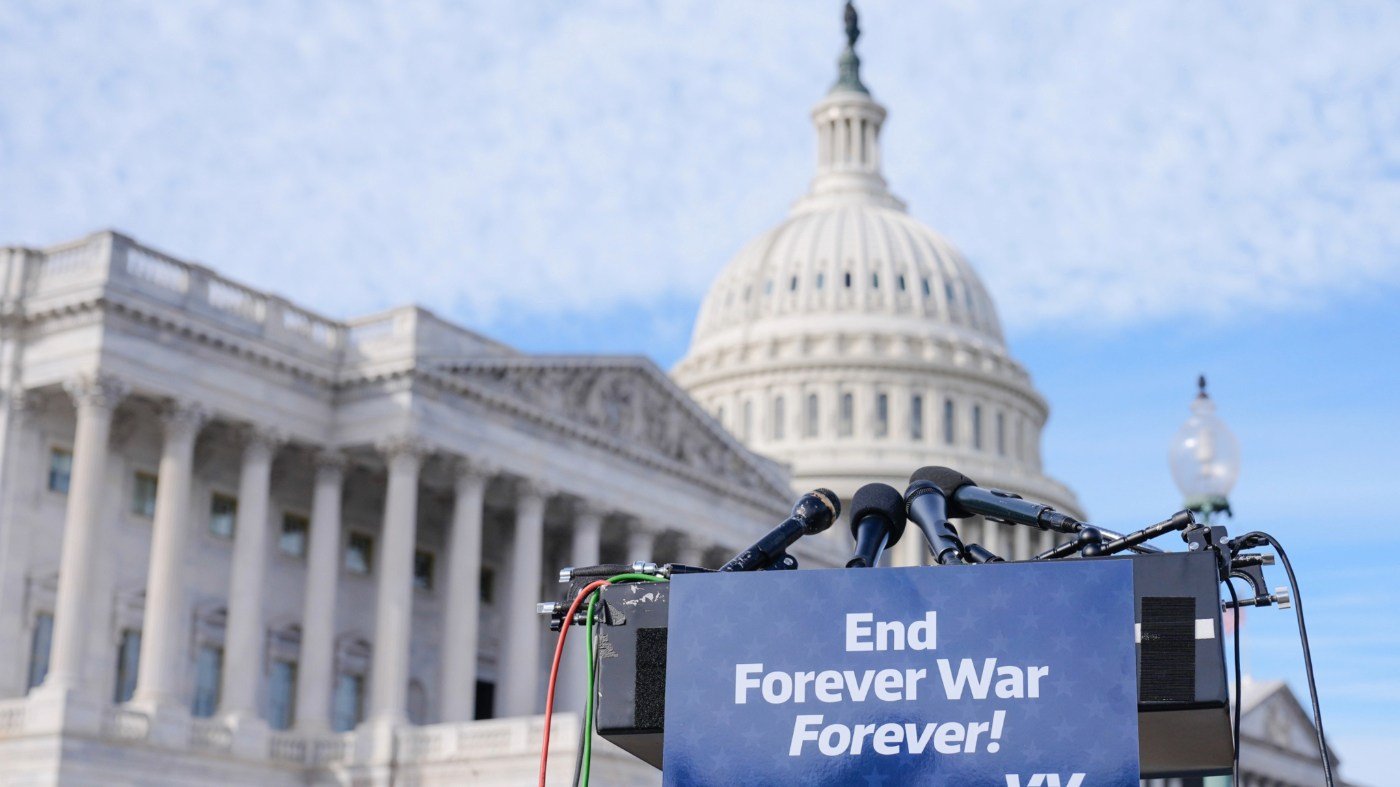
Beyond spending, Congress must reclaim its constitutional role in matters of war and peace. The Constitution vests Congress with the power to declare war and to raise and regulate the military, yet presidents have consistently overstepped these boundaries. The War Powers Resolution, passed in the wake of the Vietnam War, was meant to reassert congressional authority by requiring the president to notify Congress within 48 hours of committing troops to hostilities and to withdraw forces after 60 days if Congress has not authorized the action.
While the resolution was used to challenge the Trump administration's unauthorized strikes on Iran, it has proven an inadequate check overall. Since Vietnam, presidents have launched military actions without congressional approval, and courts have largely declined to intervene. Trump alone has initiated unlawful hostilities in Iran, Venezuela, and Ecuador, while stonewalling congressional oversight. It took months for Congress to even begin to respond to the Iran conflict, which continues to rage.
Strengthening the War Powers Resolution is essential. Experts recommend shortening the 60-day window, clarifying terms like "hostilities," and adding a judicial review provision to ensure courts can correct misinterpretations. These changes would restore a meaningful check on presidential war-making.
Half a century ago, Congress took a stand against a president who had overstepped his authority. As former Rep. Elizabeth Holtzman recalled, "There were a lot of bills that became law which were in response to Nixon's arrogation of power. Congress had finally said 'enough is enough.'" Today, facing a president with little regard for separation of powers, Congress must again dust off its constitutional authority—not just on this latest spending cancellation, but on the broader issues of spending and war powers—to become the people's branch it was designed to be.