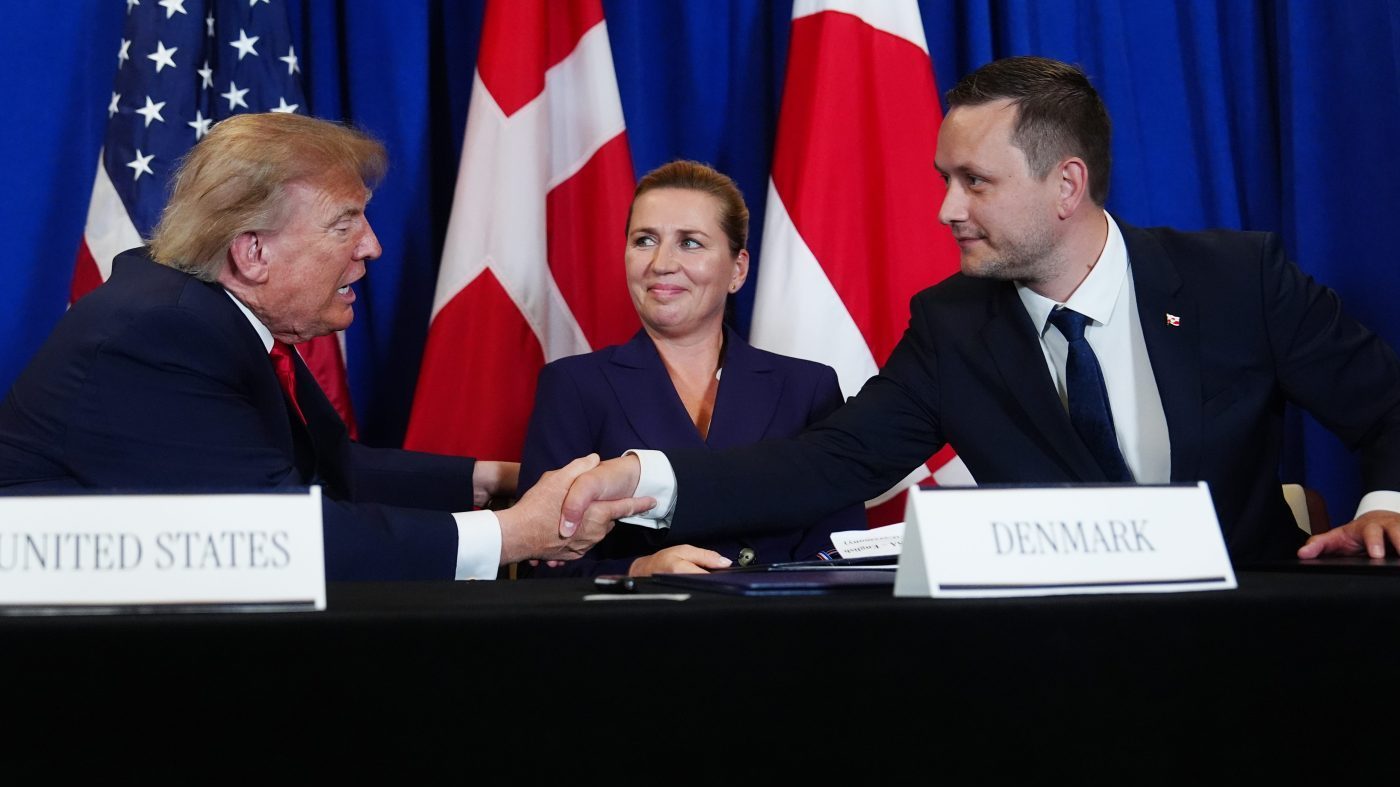
The Danish Parliament this week gave its approval to a revamped security arrangement between the United States and Greenland, a move that follows months of intense pressure from President Trump to assert American dominance over the Arctic island. The agreement, first unveiled by Trump in September, supersedes the 1951 bilateral defense pact between Washington and Copenhagen and has also been ratified by Greenland's legislature, according to an official statement.
The new deal significantly broadens the U.S. military footprint on the island, authorizing the construction of two additional bases. President Trump touted the accord as a strategic victory, asserting that it grants Washington “permanent control over security, and all other needs, in Greenland,” thereby addressing all American concerns in the region. In a Truth Social post in late September, he underscored that no U.S. adversary would be allowed to establish a base, maintain a military presence, or make sensitive investments in Greenland without explicit American approval.
The administration has framed the agreement as a necessary bulwark against potential Russian or Chinese ambitions in the Arctic, echoing broader national security justifications that have been a hallmark of Trump's foreign policy. However, the aggressive rhetoric has rankled officials in both Copenhagen and Nuuk, as well as among NATO allies, who view the unilateral tone as undermining multilateral cooperation.
In October, Trump announced that “massive” oil, gas, and mineral exploration would commence in Greenland, though few concrete details have emerged. The promise of resource extraction adds an economic dimension to the security pact, potentially opening new frontiers for U.S. energy interests. For more on how such moves fit into the administration's broader strategy, see our analysis of Trump's expectations for a productive stretch with the Democratic Congress.
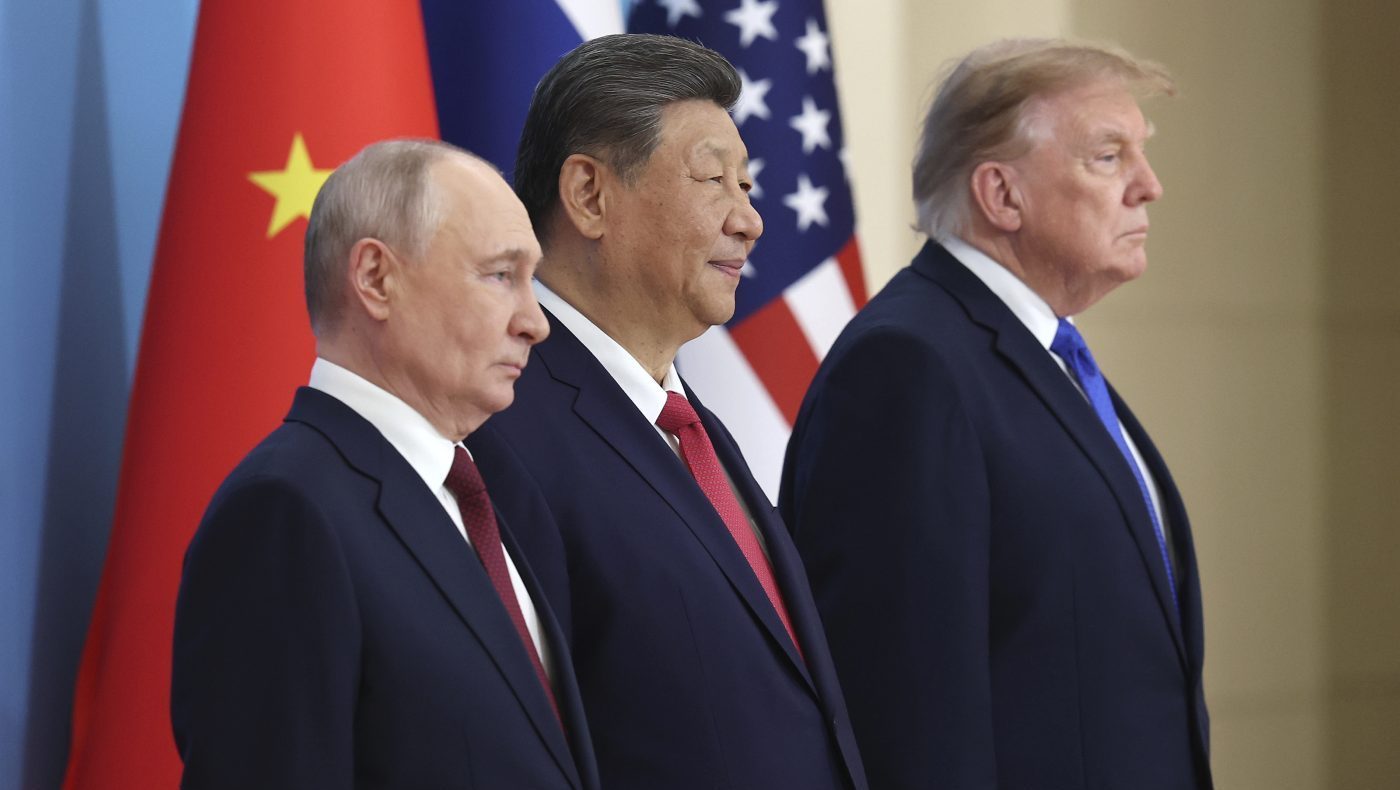
The approval comes amid a series of high-stakes international engagements, including the recent trilateral summit in Shenzhen where Trump, Xi, and Putin signed a four-point peace pact. That meeting, which also drew controversy over press access, highlighted the administration's willingness to pursue bilateral deals outside traditional diplomatic channels. The Greenland accord follows a similar pattern, with Trump personally negotiating terms that bypass longstanding NATO frameworks.
Critics argue that the new agreement could strain relations with Denmark, a founding NATO member, and set a precedent for coercive diplomacy. Yet supporters contend that the enhanced U.S. presence is vital for monitoring Arctic shipping lanes and countering Chinese research activities. The Pentagon has yet to release detailed cost estimates or timelines for the new bases, but defense analysts expect construction to begin within the next fiscal year.
The Greenlandic government, which has long sought greater autonomy from Copenhagen, has welcomed the economic potential but remains wary of being caught in great-power competition. Local leaders have emphasized that any development must respect Greenlandic sovereignty and environmental standards. The deal's approval by both legislatures marks a significant step, but implementation will require close coordination between Washington, Nuuk, and Copenhagen.
As the Arctic becomes a focal point of geopolitical rivalry, the U.S.-Greenland security pact is likely to be scrutinized by allies and adversaries alike. For now, the Trump administration is celebrating a tangible outcome of its pressure campaign, while European capitals watch with a mix of concern and pragmatism. The full text of the agreement has not been made public, but officials say it includes provisions for joint exercises and intelligence sharing. This development also comes as the White House faces questions over its crisis management, as seen in recent tech outages that tested the administration's messaging.