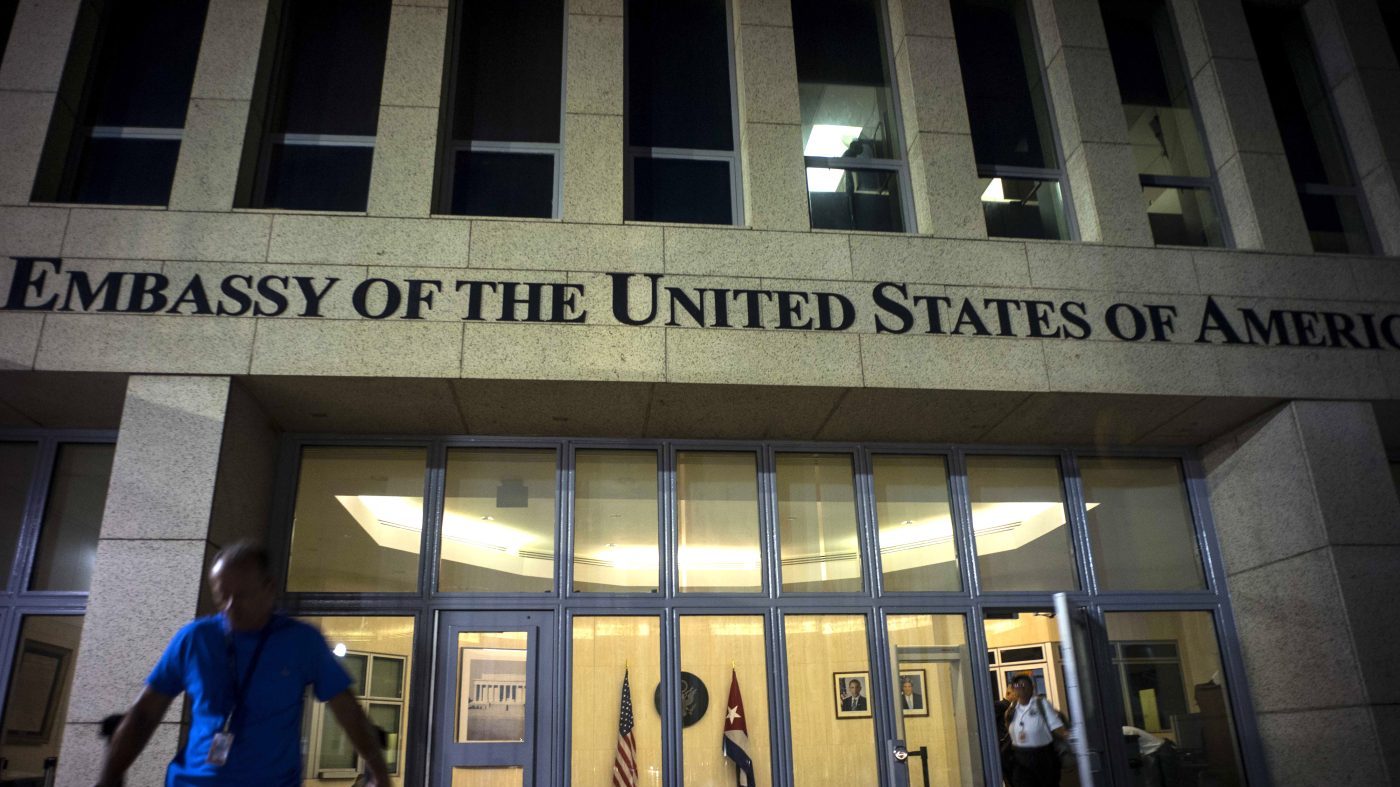
The Cuban government has formally denied a request from the United States Embassy in Havana to import diesel fuel to power its generators, escalating diplomatic friction as the island nation contends with a severe energy crisis. The refusal, described by Cuban officials as a response to a 'shameless' claim of privilege, comes amid widespread blackouts and fuel shortages exacerbated by U.S. sanctions.
Diplomatic Standoff Deepens
According to diplomatic cables reported by The Washington Post, the U.S. mission sought authorization to bring in two containers of diesel from the United States. The embassy warned the State Department that without this fuel, it may need to withdraw nonessential personnel from the island by May, or potentially sooner. The Cuban Foreign Ministry, in its translated rejection, stated it interpreted the request as an attempt to access a commodity that is being systematically denied to the Cuban populace through American policy.
Cuba's current fuel emergency is directly linked to a tightened U.S. embargo, initiated in January, which has severed its primary oil supply from Venezuela. The island has not received Venezuelan shipments in three months. The crisis reached a critical point this week when the national electrical grid failed, leaving nearly all of Cuba's 11 million residents without power for over a day before partial service was restored.
U.S. Pressure Campaign and Military Posture
The Trump administration's economic pressure campaign is explicitly tied to demands for political reform within Cuba. U.S. officials, including Secretary of State Marco Rubio, are reportedly engaged in bilateral discussions aimed at removing Cuban President Miguel Díaz-Canel from power. Rubio has suggested the possibility of relaxing the embargo in exchange for a change in leadership.
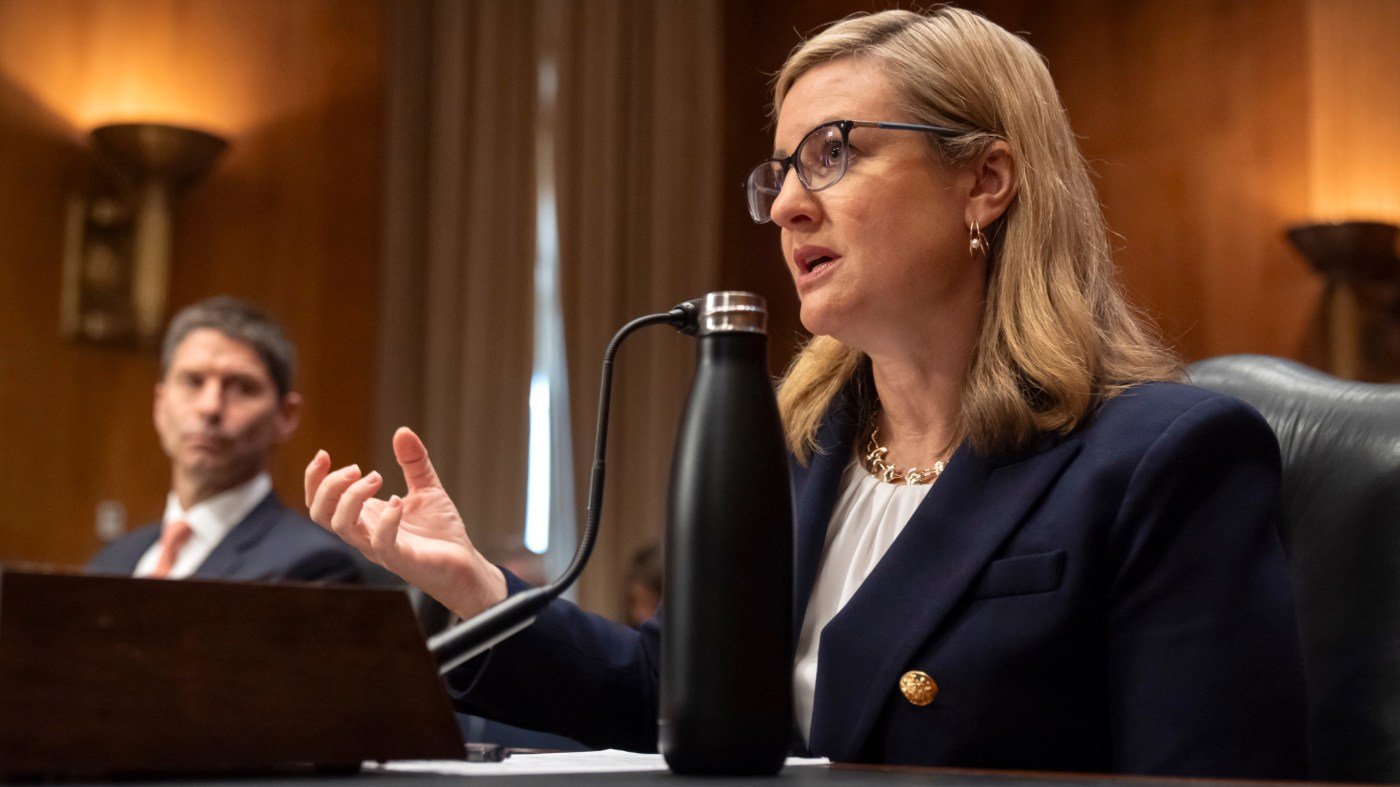
Amid the turmoil, President Trump made provocative remarks to reporters, stating he believed he would have the 'honor of taking Cuba' and that the nation was 'very weakened.' However, the head of U.S. Southern Command, General Francis Donovan, later testified before the Senate that his command is not currently preparing for any military incursion into Cuba.
Global Energy Context and Regional Implications
The bilateral dispute unfolds against a volatile global energy backdrop. Recent joint U.S.-Israel strikes on Iran and Tehran's subsequent actions to restrict traffic through the Strait of Hormuz have contributed to rising fuel prices worldwide. This broader conflict has led to significant regional instability, as highlighted by a recent UNICEF report on child casualties in Iran and Lebanon.
Meanwhile, the effectiveness of U.S. sanctions on Cuba faces an imminent test. Two tankers carrying Russian oil are reportedly en route to the island, which could provide a temporary reprieve from the fuel blockade. The situation remains fluid, with the State Department having issued a global travel alert due to the ongoing Iran conflict, underscoring the interconnected nature of these international crises.
The diesel denial marks a new low in recent U.S.-Cuba relations, reflecting both the immediate humanitarian impact of sanctions and the deeper geopolitical struggle over the island's future. As the fuel shortage persists, the standoff threatens not only diplomatic operations but also the stability of the Cuban government as it seeks alternative suppliers and grapples with domestic unrest.