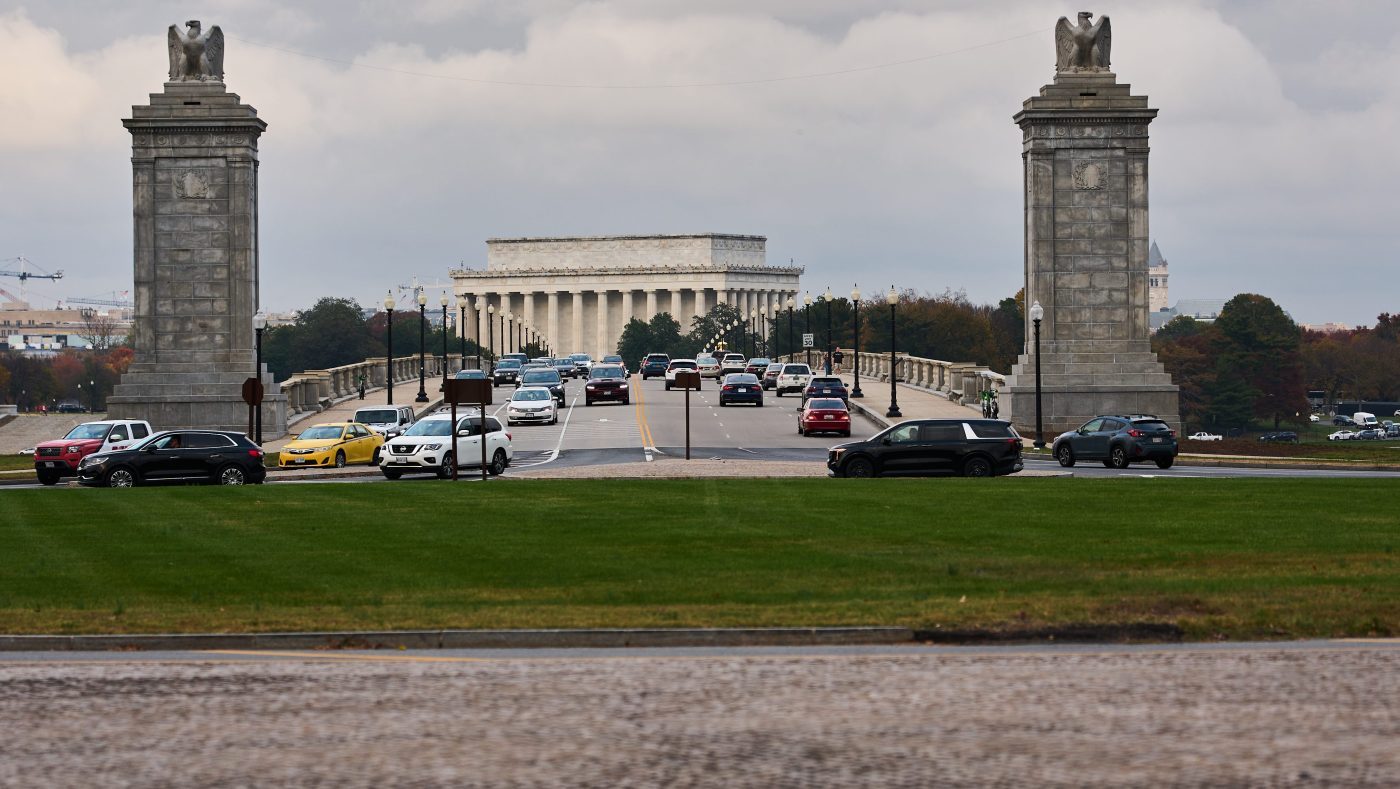
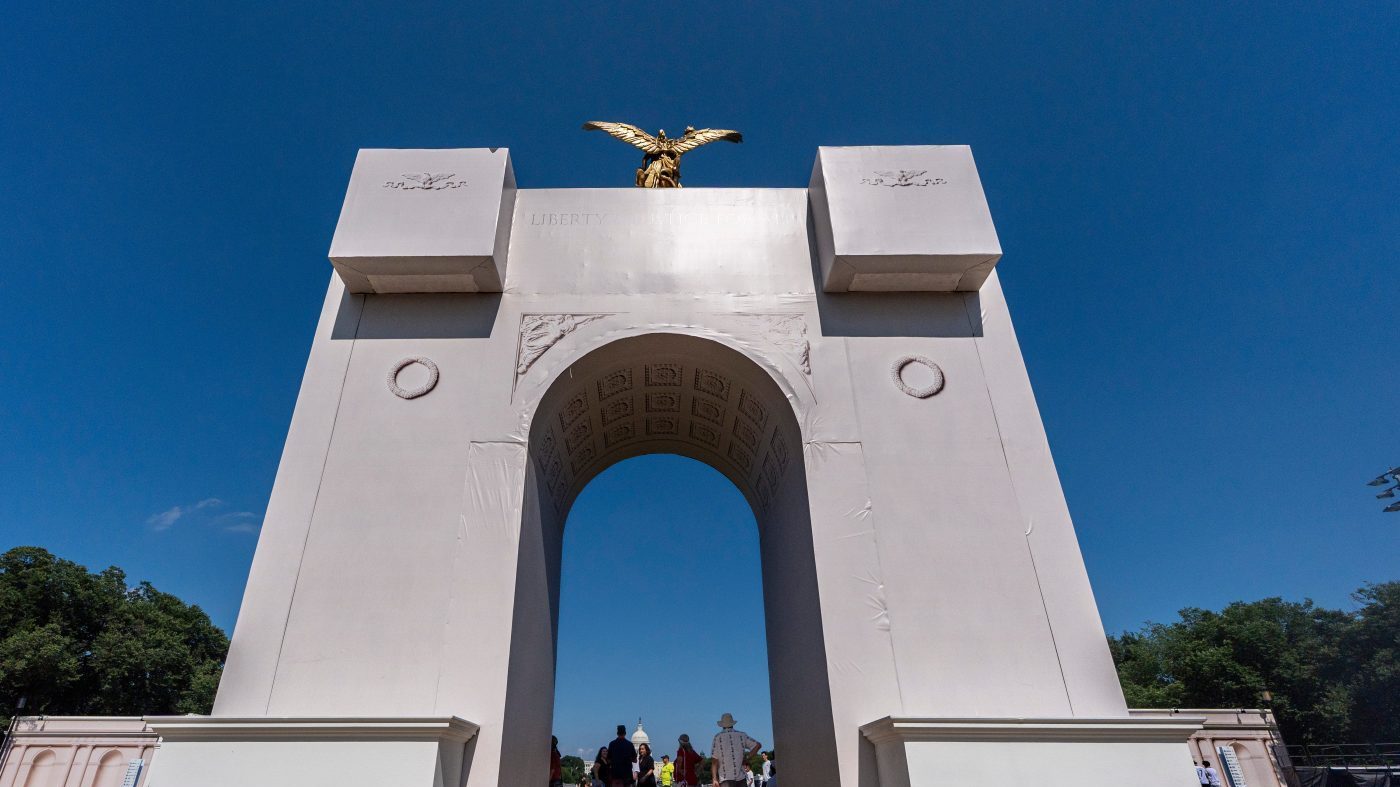
The National Capital Planning Commission gave President Trump's proposed triumphal arch a key approval late Thursday, voting 8-4 to advance the project. The decision marked a significant step for the president's ongoing efforts to reshape the nation's capital with grand monuments. But the victory was short-lived.
U.S. District Judge Tanya Chutkan issued an order blocking the administration from breaking ground on the towering memorial arch for 14 days. In her ruling, Chutkan sided with challengers from Virginia and the District of Columbia, who argued that the immediacy of construction would cause irreparable harm. The temporary halt gives the court time to consider the full merits of the case.
Meanwhile, the economic calendar takes center stage Friday morning when the Bureau of Labor Statistics releases its October jobs report. Economists project that the report will show roughly double the number of new jobs compared to September's dismal figures, offering a potential signal about the health of the labor market heading into the final stretch of the year.
The political map remains unsettled in two key Senate races. In Mississippi, Democrat Scott Colom holds a narrow lead over incumbent Republican Sen. Cindy Hyde-Smith as of Friday morning, according to Decision Desk HQ. In Alaska, former Rep. Mary Peltola, a Democrat, is clinging to a slim advantage over Republican Sen. Dan Sullivan. Both contests are too close to call, and final results may not be known for days as officials process remaining ballots.
President Trump has a full schedule of policy meetings on Friday before traveling to Florida for the weekend. He is scheduled to deliver remarks at an evening event at the John F. Kennedy Space Center in Cape Canaveral, where he is expected to highlight his administration's achievements in space exploration.
The arch dispute is part of a broader pattern of the president's controversial moves in Washington, D.C. Earlier this year, Trump signed proclamations declaring the Oval Office and Cabinet Room as national monuments, a step that drew sharp criticism from preservationists and lawmakers. The monument designations were seen as an unprecedented use of executive authority to protect his own workspace.
The legal fight over the arch also echoes the administration's ongoing clashes with local governments. The Pentagon recently moved to expand the National Guard's arsenal in the capital with boats and Humvees, fueling concerns about the militarization of federal responses to civil unrest.
As the midterm season winds down, the president's political standing remains a subject of intense debate. Some analysts argue that the GOP's disappointing performance in the elections exposed Trump's unreality problem, while others suggest his legacy is at risk unless he can broker deals with Democrats. The coming weeks will test whether the president can pivot from legal setbacks and economic uncertainty to solidify his agenda.