Legal Fight Unearths Secret Security Project
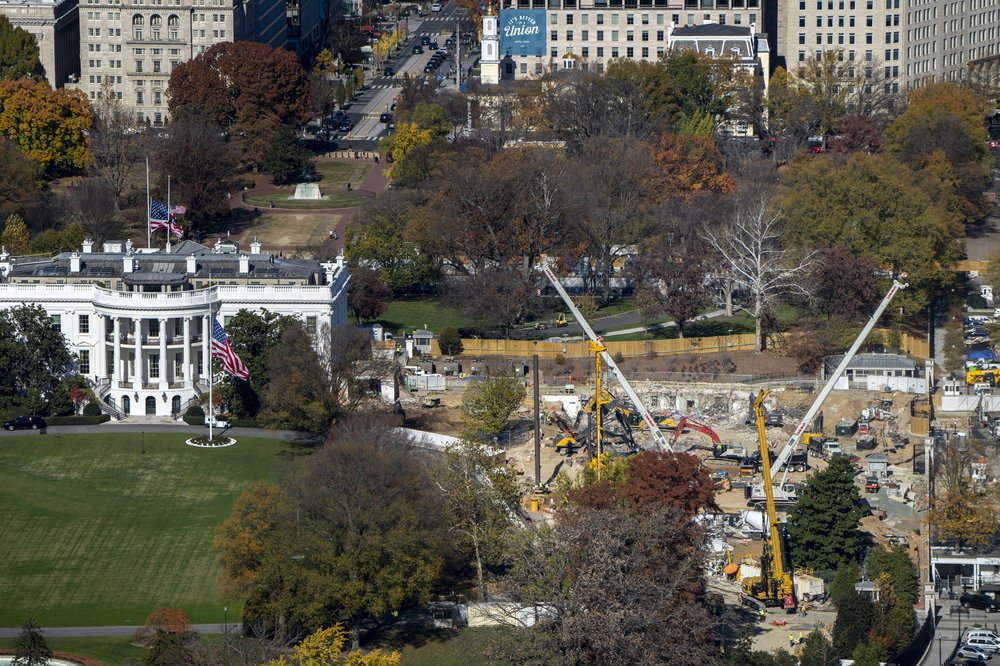
A federal lawsuit challenging President Trump's plan to construct a 90,000-square-foot ballroom on the White House grounds has dragged a classified military upgrade into public view. The legal battle centers on the proposed demolition of the existing East Wing, a move opposed by historic preservation groups, but court filings and presidential comments have revealed a parallel, clandestine effort to significantly expand the subterranean Presidential Emergency Operations Center (PEOC).
"Supposed to be Secret"
Trump himself acknowledged the covert nature of the project, telling reporters aboard Air Force One that "the military is building a big complex under the ballroom, which has come out recently because of a stupid lawsuit." He later told Cabinet members the national security component was "supposed to be secret" and that the military "wanted it more than anybody." He blamed the disclosure on "people that are really unpatriotic." The president has described the facility as having bulletproof and "drone-proof" features.

The existing bunker, originally built during World War II to protect Franklin D. Roosevelt, has served as a fortified command post for decades. It was notably used by President George W. Bush and his staff on September 11, 2001. Former First Lady Laura Bush recalled in her memoir being rushed through "big steel doors that closed behind me with a loud hiss." The current overhaul represents its most significant modernization in years.
Constitutional and Security Clash
The public controversy began when the National Trust for Historic Preservation sued in December to halt the $400 million ballroom project, arguing the public was denied proper input. While Trump has framed the aboveground structure as necessary for hosting large indoor state events, the administration has simultaneously argued that any construction delay "would imperil national security." The Secret Service warned in a court declaration that pausing work would "hamper" its protective mission, as temporary security measures remain incomplete.
This legal and political clash mirrors other contentious moments in the administration, such as when Trump vowed to prosecute media outlets over leaked operational details, highlighting ongoing tensions between executive authority, secrecy, and oversight.
This week, U.S. District Judge Richard Leon halted construction, ruling Trump lacked the constitutional authority to proceed without congressional approval. However, the order carved out an exception for work "necessary to ensure the safety and security of the White House." Trump immediately announced an appeal, listing security upgrades tied to the project including bio-defense systems, secure communications, bomb shelters, and medical facilities. "So on that, we're okay," he said, referencing the judge's security exemption.
Approval Amid Uncertainty
Despite the ongoing court fight, the National Capital Planning Commission voted 8-1 to approve the ballroom's design, which includes seating for 1,000 guests. The project now exists in a legal gray area, with its lavish public facade inextricably linked to a hidden, hardened fortress. The dispute underscores broader debates over presidential power and spending, reminiscent of legal skepticism facing other unilateral actions, like the administration's approach to birthright citizenship.
The revelation of the bunker expansion, forced by litigation, places a typically invisible element of presidential continuity and national security directly into a political and judicial arena, ensuring the fight over the White House's physical structure will continue both above and below ground.