A fresh scientific analysis released Thursday concludes that human-induced global warming likely played a significant role in the catastrophic slope collapse that struck Nepal in late August, killing more than 1,300 people and leaving thousands missing. The report, from the World Weather Attribution group, underscores how rising temperatures are not just fueling extreme weather but also destabilizing the very ground beneath some of the world's highest peaks.
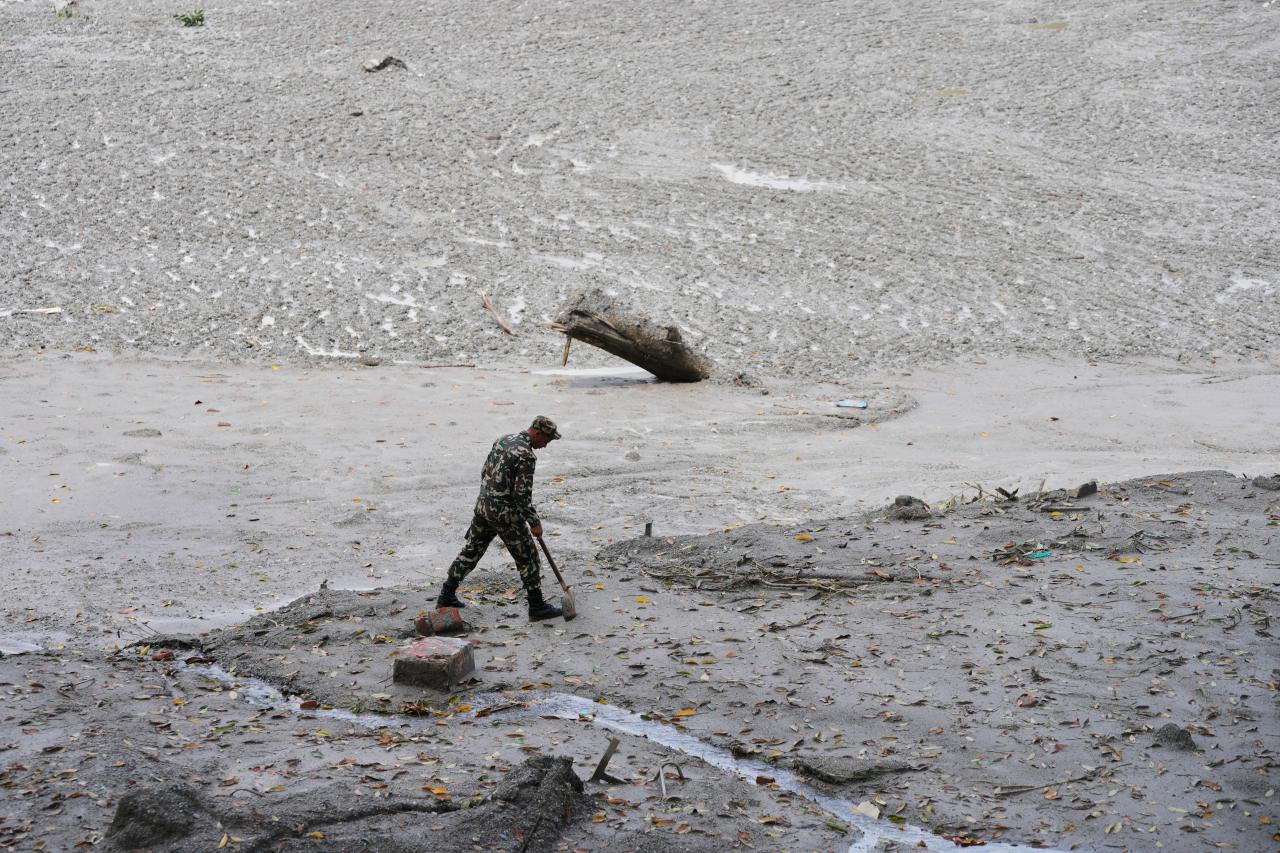
The disaster occurred on August 26, when a massive chunk of rock and glacier ice broke loose near Nepal's border with China. The resulting torrent of water, mud, and boulders swept down the Trishuli River corridor, devastating communities and causing billions of dollars in damage. While the collapse was not a weather event, the researchers found that climate change had likely weakened the slope over decades.

“This disaster was not an extreme weather event, but the fingerprints of climate change are still clear to see in long-term changes,” said Ben Clarke, a climate researcher at Imperial College London and co-author of the analysis, in a statement. The study also noted that a powerful earthquake in 2015 may have fractured the rock years before the final failure, adding to the complex mix of causes.
Warming Thaws High-Altitude Permafrost
The report identifies two key ways that warming has undermined mountain stability. First, the altitude at which ground remains frozen year-round has risen by roughly 100 meters per decade. That exposes rock at higher elevations to repeated freeze-thaw cycles, cracking the permafrost and weakening the rock face. Jakob Steiner, a geoscientist at the University of Graz who has worked in the Himalayas since 2006 but was not involved in the study, noted that monitoring instruments at around 5,000 meters now show ground that used to stay frozen is no longer doing so. “This means that the ground that was sitting below ice for hundreds and thousands of years is now becoming exposed,” he said.
Second, glaciers in the region have been losing mass at a rate of more than half a meter of thickness per year. The Langtang Lirung glacier, near the disaster site, has retreated roughly half a kilometer since the 1990s, exposing rock that had been ice-covered. As glaciers shrink, they also remove the pressure that helped support adjacent rock walls, and they produce additional meltwater that can further destabilize slopes.
Himalayas at Risk
The Himalayas hold the largest store of snow and ice outside the polar regions, feeding major Asian river systems that support billions of people. But studies show that about 78% of the region's glacier area, located between 4,500 and 6,000 meters above sea level, is highly vulnerable to warming. Between 2000 and 2019, glaciers worldwide lost an average of 267 billion tons of ice per year—equivalent to the mass of 46,500 Great Pyramids of Giza, according to UN reports. The weeks before the collapse were also unusually warm, with July and August 2026 being the hottest on record locally.
“Other than the potential geological factors like earthquakes that are weakening the bedrock, all these other factors are made worse by human-induced climate change,” said Friederike Otto, a climate scientist at Imperial College London and one of the report's authors.
Limits of Adaptation
The catastrophe also highlights the limits of early warning systems in high-mountain environments. Nepal has invested in disaster preparedness, but the sheer speed and scale of this collapse overwhelmed those defenses. Unlike rainfall-driven floods, which can sometimes be forecast days ahead, sudden slope failures are extremely hard to predict. Otto stressed that mountain communities are especially vulnerable: “Small changes in temperatures affect the stability of the land itself.”
The report recommends better high-altitude monitoring, satellite observation, and warning systems, but warns that adaptation can only go so far. Since glaciers and permafrost respond to temperature changes over decades, some destabilization is already locked in. “The most important thing to minimize the risk in this region is to rapidly stop using fossil fuels that lead to increasing global temperatures,” Otto said. “All these drivers that we’ve talked about, permafrost melting, glacial melting, etc., will just become worse.”
This analysis comes amid broader debates over climate policy, including recent moves by the EPA to roll back power plant climate rules, which critics say could accelerate warming. The findings also echo concerns about climate silence in political discourse, as voters increasingly demand action.