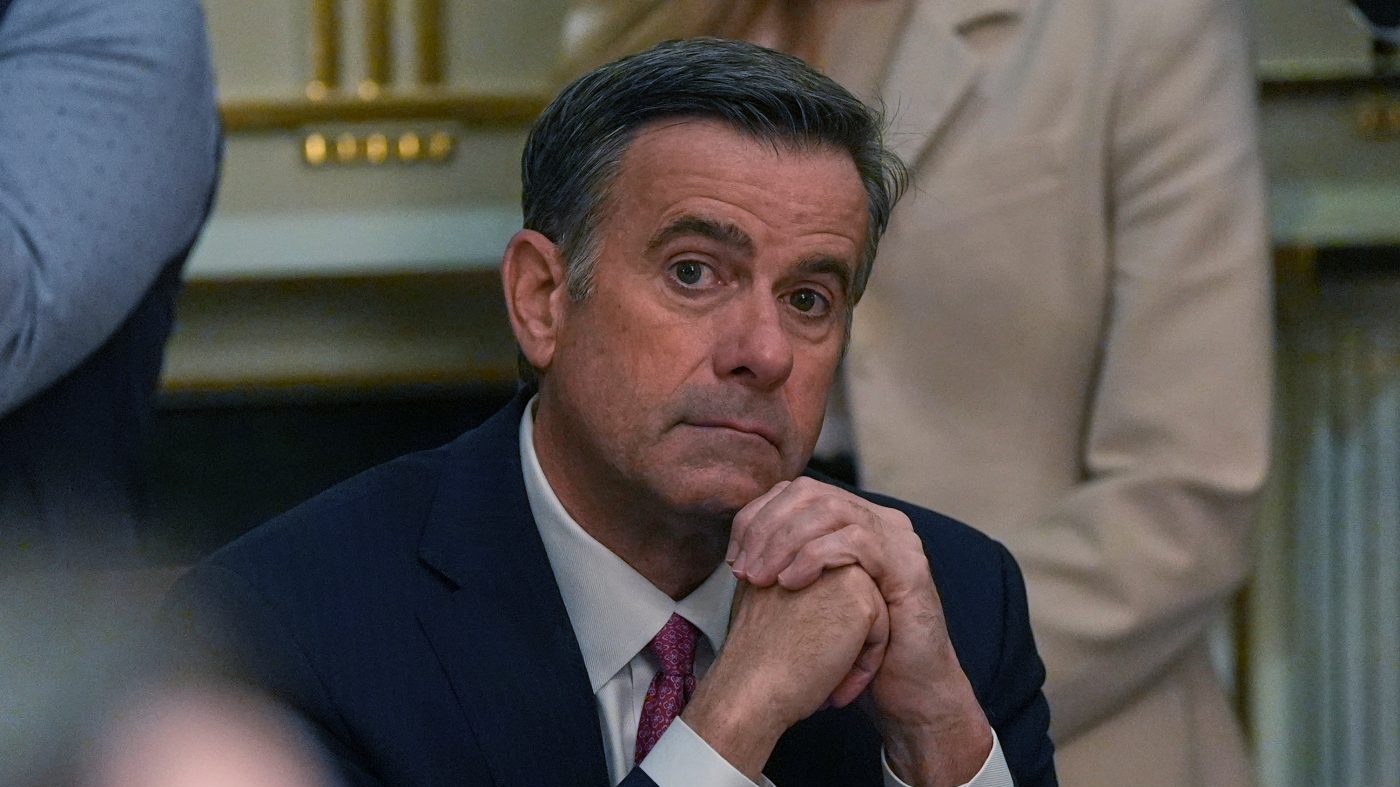
CIA Director John Ratcliffe traveled to Havana on Thursday for face-to-face talks with Cuban officials, delivering a blunt message from President Trump that the United States is ready to negotiate on economic and security matters—but only if Havana commits to fundamental reforms. The visit comes amid heightened tensions following Trump's public suggestions that he might consider military action against the island nation.
A CIA official underscored the urgency, warning that the window for diplomacy is not indefinite. “The Cubans should have no illusions that the president will not enforce redlines,” the official said, echoing a theme of limited patience that has defined the administration's approach.
The agency confirmed that Ratcliffe traveled to “personally deliver President Trump’s message that the United States is prepared to seriously engage on economic and security issues, but only if Cuba makes fundamental changes.” The talks covered intelligence cooperation, economic stability, and security, with a clear subtext: Cuba can no longer serve as a safe haven for adversaries in the Western Hemisphere—an apparent reference to growing Chinese and Russian influence in the region.
The Cuban government acknowledged the meeting, stating it came at Washington's request. In a statement, Havana insisted it poses no threat to U.S. national security and argued there are no legitimate grounds for its continued designation as a state sponsor of terrorism. “The information presented by the Cuban side, along with the exchanges held with the U.S. delegation, served to categorically demonstrate that Cuba poses no threat,” the statement read.
Ratcliffe met with Interior Minister Lázaro Álvarez Casas, the head of Cuban intelligence, and Raulito Rodriguez Castro—the grandson and former bodyguard of Raúl Castro, who succeeded his brother Fidel as president. Notably, Raulito holds no official government or party title but has played an informal role in negotiations between the two countries.
The CIA official framed the talks as part of a broader strategy reminiscent of the administration's pressure campaign against Venezuela. “As evidenced by Venezuela—President Trump must be taken seriously,” the official said, adding that while Trump prefers dialogue, he will not hesitate to act. “The Cuban government must decide whether to seize this moment or continue down an unsustainable path that only leads to deeper isolation and instability.”
The visit follows a $100 million aid package announced by the State Department on Wednesday, which the official described as “a rare chance to stabilize its failing economy and deliver for its people—but the window of opportunity will not stay open indefinitely.”
The diplomatic push comes as Trump has publicly mused about invading Cuba, a stance that has alarmed allies and regional observers. The administration's dual-track approach—offering engagement while threatening force—mirrors its tactics elsewhere, including recent tensions over Taiwan, where bipartisan senators have warned against unilateral policy shifts. Meanwhile, the CIA's involvement signals the high stakes, as intelligence cooperation and countering Chinese and Russian influence remain central to U.S. priorities in the hemisphere.