The center-left finds itself in a precarious position, squeezed between populist insurgencies on both flanks. While right-wing and left-wing populists offer sharply defined, if often flawed, solutions, mainstream parties struggle to articulate a compelling vision. This identity crisis leaves voters with only a fuzzy sense of what the center-left stands for, and many working-class Americans increasingly view both center-left and center-right as part of an out-of-touch establishment that serves affluent elites.
The challenge is not just about moderation or bipartisanship. Incrementalism fails to address the structural problems that fuel widespread discontent—economic unfairness, fractured national identity, and a sclerotic federal government. Voters are demanding structural remedies, not tinkering at the margins.
Democrats, however, are not condemned to vapid centrism. Their own rich legacy offers a blueprint for bold, modernizing reform. From Woodrow Wilson's progressive era reforms that adapted government to an industrializing nation, to Franklin Roosevelt's New Deal experimentation, to Harry Truman's postwar security architecture, to Lyndon Johnson's landmark civil rights laws, and Bill Clinton's "New Democrat" innovations in welfare and crime reduction—this history demonstrates a fusion of radically pragmatic means to liberal ends.
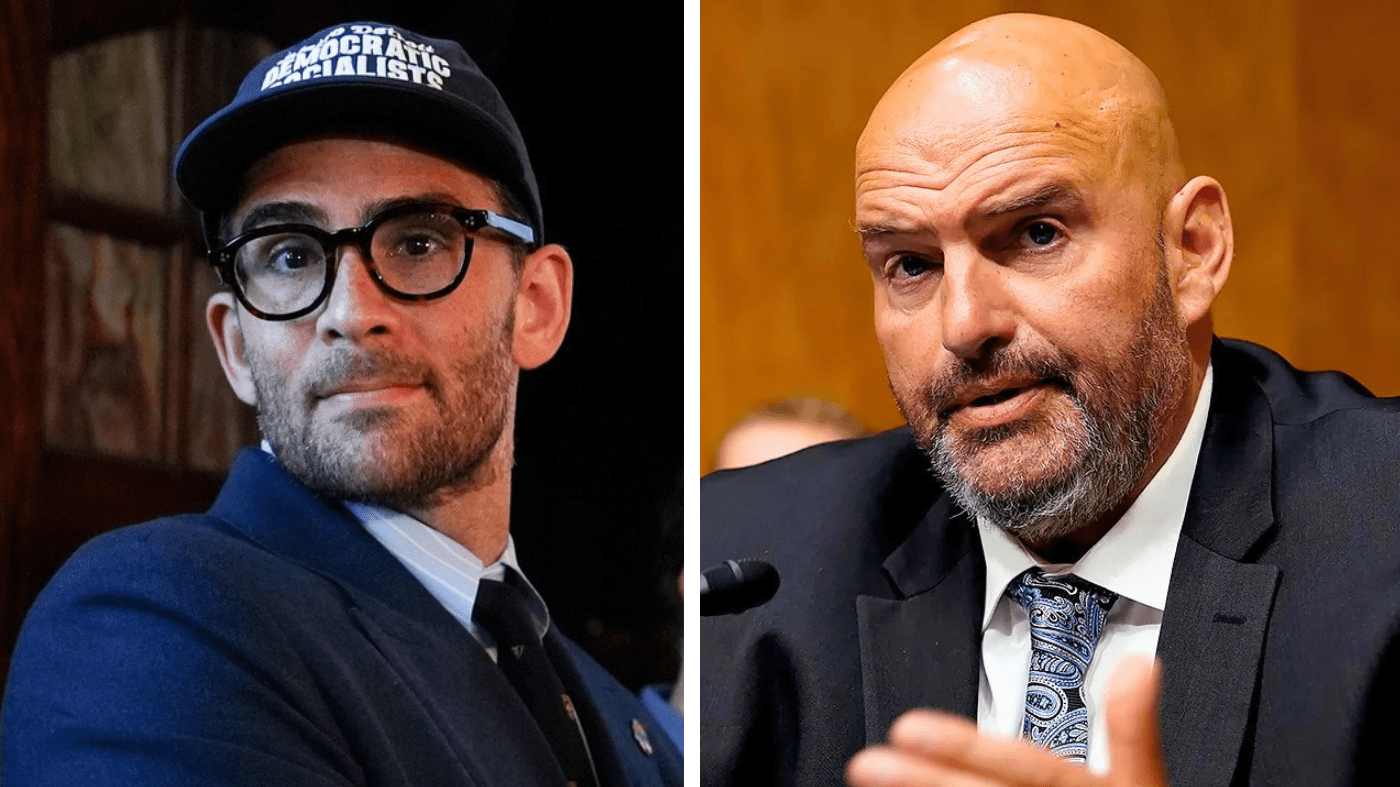
The question today is whether Democrats will replicate that legacy or continue drifting left. The summer's primary challenges from young democratic socialists have intensified pressure to move left, but such a shift risks alienating the very working-class voters who have abandoned the party. Ironically, the populist left's ideas have contributed to Democrats' minority status, yet some party leaders hope to co-opt that energy without embracing its more extreme positions.
U.S. liberalism has historically found common ground with European social democracy, supporting a mixed economy with free markets and government intervention. But anti-capitalist, collectivist, and culturally radical ideologies are fundamentally incompatible with American liberalism. Mushing them together only compounds the center-left's hazy profile.
Democrats must not merely dismiss left-wing ideas as electoral losers; they need to articulate why they are wrong on the merits. For instance, they should unequivocally reject calls to abolish ICE, which would effectively return to open borders and violate Americans' right to control immigration. Likewise, Medicare for All's astronomical $35 trillion price tag over a decade demands clear opposition.
On economics, the center-left should avoid "slopulist" promises of universal benefits funded by taxing the rich. Instead, targeted tax relief for working families—such as cutting payroll taxes and offsetting revenue through a progressive consumption tax—offers a more responsible path.
On technology, Democrats must not let anti-AI populists define their stance. Rather than joining the stampede to block data centers, as some state officials have proposed, they should focus on building a public safety framework that ensures human control over self-improving AI. The stakes are high, but so are the rewards for productivity and science. As debates over data center ratepayer bills and local community impacts show, a balanced approach is needed.
By defining itself clearly as a liberal force for fundamental reform, the center-left can offer a credible alternative to polarizing populism. It must step up, dust off its legacy, and show America what it stands for.