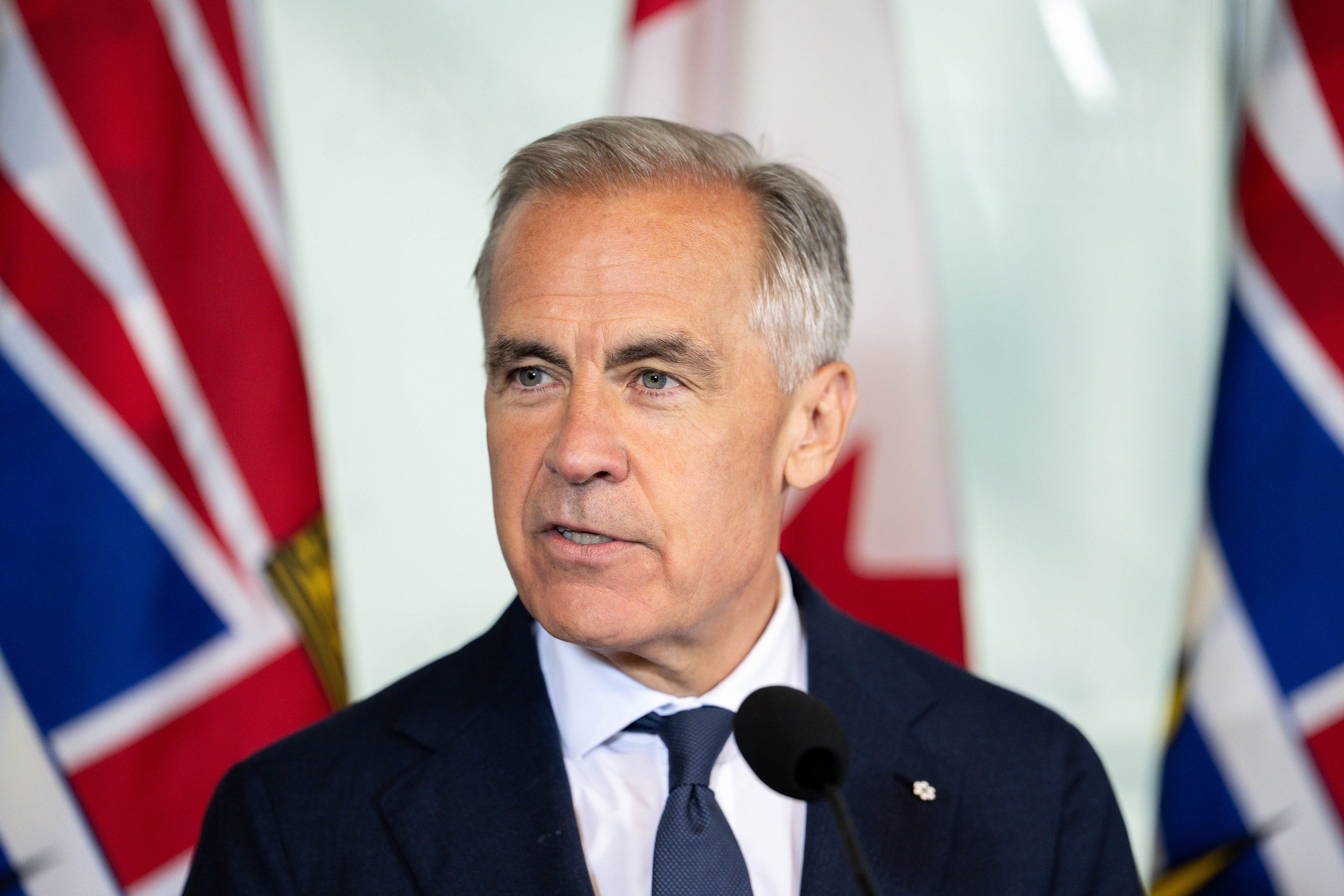
Canadian Prime Minister Mark Carney announced Saturday that Ottawa will impose retaliatory tariffs on U.S. products beginning September 8, responding directly to the Trump administration's new 50 percent duties on Canadian goods. The move escalates a trade conflict that has disrupted cross-border commerce and strained diplomatic ties.
Speaking at a press conference, Carney said Canada would "match Washington's new tariffs dollar for dollar in order to protect Canadian workers, farmers, families and businesses." He emphasized that the decision was made reluctantly, acknowledging the potential economic pain for Canadians and the collateral damage to American companies and states.
"Reluctantly because we recognize that some of these measures will raise costs and reduce choice for Canadians," Carney said. "Reluctantly because we recognize that some U.S. companies and some U.S. states are innocent bystanders in a dispute that they did not want. Reluctantly because this trade dispute is preventing Canada and America from doing so much good that we could do together."
The prime minister added that despite the reluctance, the step is "in the best interest of Canada." His government will release detailed lists of affected goods in the coming days, with targeted sectors including steel, dairy, appliances, agricultural equipment, pulp and paper, and electronics.
The new U.S. tariffs, which took effect at midnight, impose a 50 percent levy on over $20 billion worth of Canadian imports, ranging from wine and hockey sticks to cement. The announcement follows a breakdown in negotiations, with Carney revealing that he instructed Canadian negotiators to walk away from the talks Friday evening, just hours before the U.S. measures were implemented.
Carney cited last-minute new terms introduced by U.S. negotiators as the reason for the abrupt exit. U.S. Trade Representative Jamieson Greer disputed that characterization, stating in a social media post that "despite the U.S. offer to Canada to receive the best treatment of any major exporter to our market, new demands and walk backs of other commitments by Canada have upended the careful balance reached in the past days." Greer called the outcome a "missed opportunity" for closer economic partnership.
The retaliatory tariffs mark a significant escalation in a trade dispute that has already seen Canada facing 50 percent U.S. tariffs and prompted legal challenges over the use of Section 301 tariffs. The move also comes amid broader tensions over trade policy, including temporary pauses on other tariff measures and concerns about the impact on industries like auto manufacturing, as highlighted by recent political events.
Analysts warn that the dollar-for-dollar retaliation could raise consumer prices in both countries and further disrupt supply chains. The Canadian government has signaled it is prepared to sustain the measures as long as necessary, but Carney left the door open for dialogue, saying Canada remains willing to negotiate a fair deal.
The announcement comes as the Trump administration has shown some flexibility on tariffs, including pausing tariffs to allow for talks in other instances. However, the current dispute appears far from resolution, with both sides digging in.
Carney's government is expected to provide a full list of targeted products in the coming days, and the September 8 deadline will give businesses time to adjust. Meanwhile, U.S. officials continue to insist that the tariffs are necessary to protect American industries, setting the stage for a prolonged trade battle.