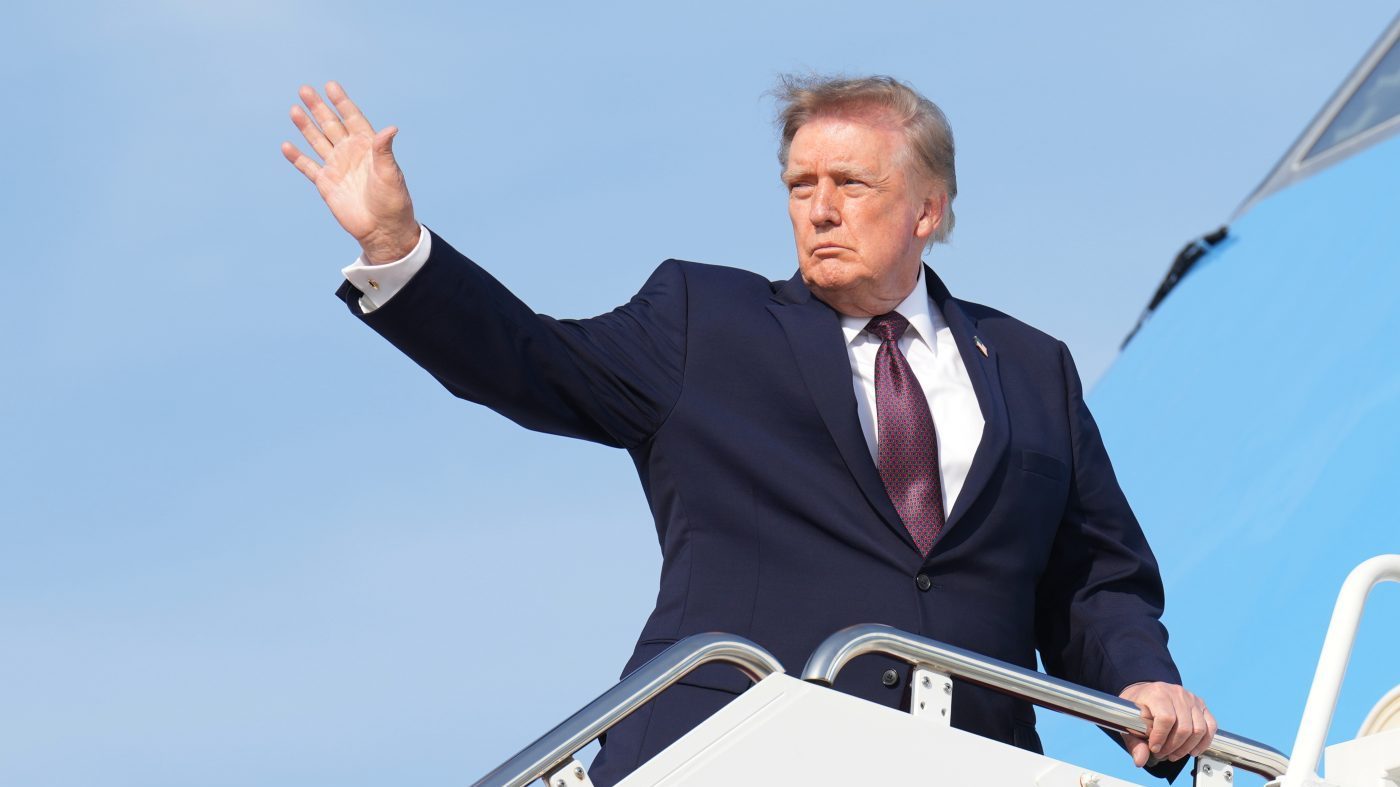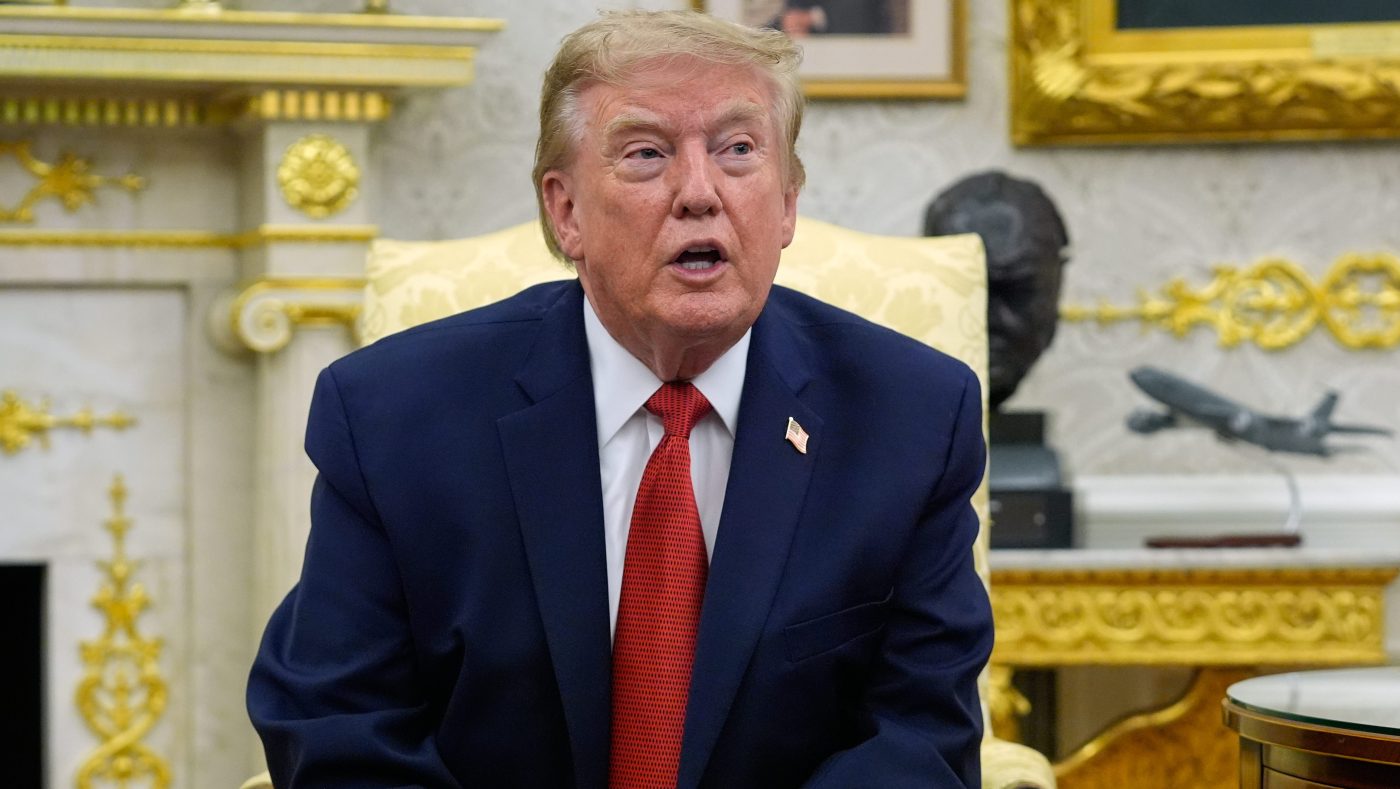
President Trump announced late Tuesday that he would delay the imposition of 50 percent tariffs on a range of Canadian goods for three days, citing ongoing negotiations between Washington and Ottawa. The tariffs had been set to take effect at midnight Wednesday, but the White House said a deal is being finalized, prompting the temporary reprieve.
The decision comes amid a broader trade policy push that has rattled markets and allies. The pause applies to many Canadian products, though the exact scope remains unclear. Canadian officials have signaled they are ready to continue talks, but no formal agreement has been announced.

White House Crypto Summit
On Wednesday, President Trump is scheduled to meet with leaders from the cryptocurrency, prediction market, and financial sectors, along with heads of regulatory agencies. The meeting comes as the Senate has delayed action on the Clarity Act, a bill that would establish a regulatory framework for digital assets, until it returns next month.
The gathering signals the administration's continued focus on crypto policy, even as Congress remains divided over how to oversee the industry. Industry executives are expected to press for clearer rules and a lighter touch, while regulators are likely to emphasize consumer protections and market stability.
Primary Night Upsets
One of the final major primary nights of the midterm cycle delivered a series of surprises, reshaping several key races. In Florida, state Rep. Angie Nixon, a member of the Democratic Socialists of America, decisively defeated Alex Vindman for the Democratic nomination to challenge Republican Sen. Ashley Moody. Nixon’s win marks a significant progressive victory and sets up a general election contest in a state that has trended Republican. Analysts have already shifted the Florida Senate race to “safely Republican” following the upset.
In another Florida contest, Rep. Debbie Wasserman Schultz prevailed in a crowded primary for a newly redrawn, plurality-Black seat, fending off challengers in a district that was significantly altered after redistricting.
Trump’s Mixed Record
President Trump’s endorsements produced a mixed outcome on Tuesday night. Rep. Byron Donalds cruised to the Republican gubernatorial nomination in Florida, a win that solidifies his position as the party’s standard-bearer. But in other races, Trump’s preferred candidates suffered defeats. In two Florida House primaries, his picks lost to more moderate or locally popular challengers. In Wyoming, the governor’s race saw a Trump-backed candidate lose, a notable rebuke in a state that has often supported the former president.
The results highlight the limits of Trump’s influence in down-ballot races, even as he remains the dominant figure in the GOP. The Republican base’s approval of Trump has hit a new low, which may be contributing to these primary outcomes.
Wyoming Races
Wyoming also saw significant action in its House and Senate primaries. In the at-large House race, Gray won the GOP nomination, setting up a likely succession to Rep. Harriet Hageman, who is running for Senate. In the Senate primary, Hageman and Byrd will face off to succeed retiring Sen. Cynthia Lummis. The races are expected to be closely watched as they will determine the state’s representation in Washington.
In Florida’s 2nd District, Rogers secured the GOP nod, backed by Sen. Rick Scott, adding another data point to the ongoing intraparty battles.
The primary results are likely to have implications for the November general election, with both parties parsing the outcomes for signals about voter enthusiasm and ideological direction.