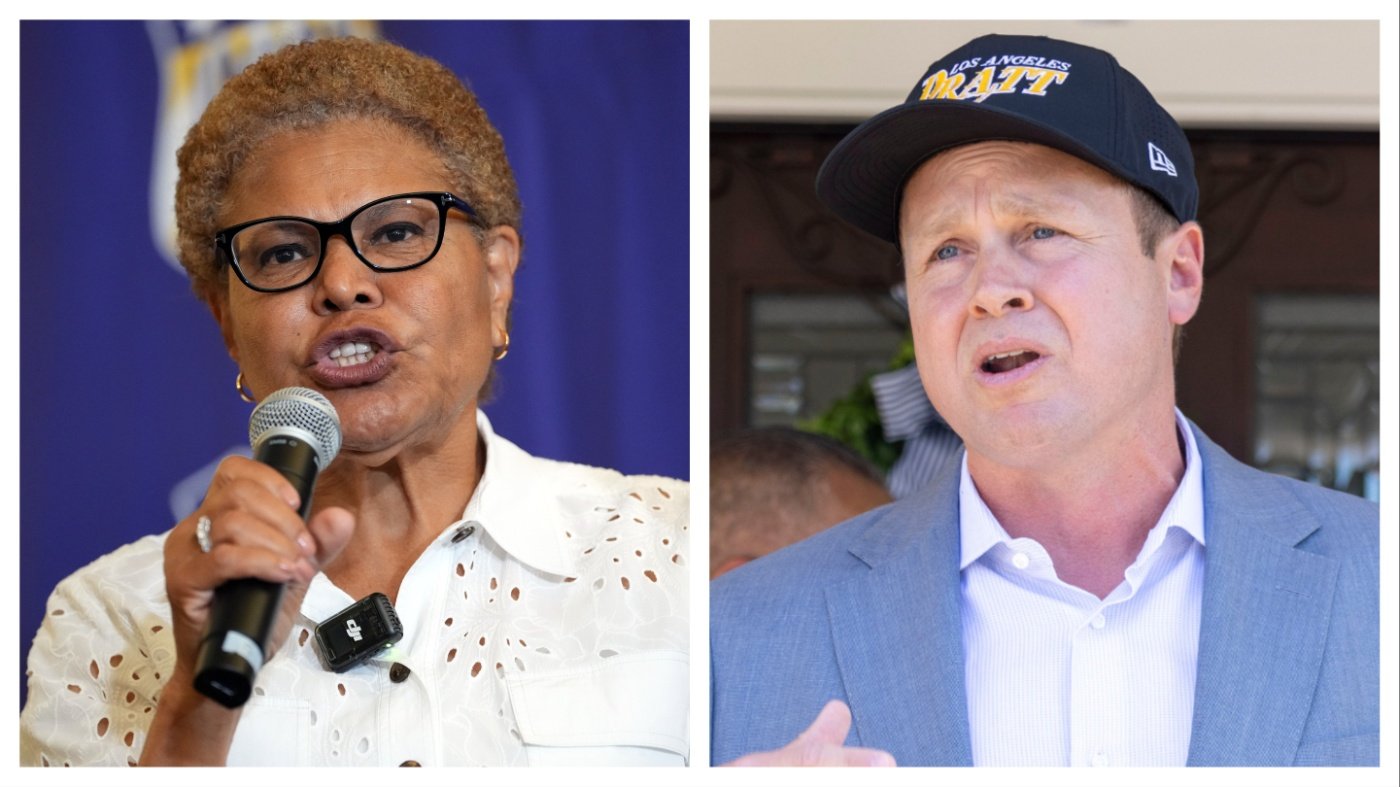
Nearly a week after Los Angeles held its officially nonpartisan mayoral primary, election officials still cannot declare which candidate will face incumbent Democrat Karen Bass in the general election. Republican Spencer Pratt currently sits in third place with 27 percent of the vote, a strong showing for a GOP-aligned candidate in a city where no Republican presidential candidate has topped 36 percent this century. But the delay in certifying results—with Pratt trailing Democratic City Councilwoman Nithya Raman by a razor-thin margin—has fueled baseless fraud claims from President Trump and former White House aide Elon Musk.
There is no evidence of cheating, and Democratic insiders have openly rooted for Pratt, believing he would be an easier opponent for the vulnerable Bass than the progressive Raman. Still, the slow count itself is a problem, as late Democratic ballots have pushed Raman past Pratt in the latest tally.
California’s election system prioritizes access above all else. Every voter receives a mail ballot, and ballots postmarked by Election Day can arrive up to a week later. That policy, born from pandemic-era adjustments, ensures high turnout but cripples expedition. The state’s gubernatorial election also remains uncalled, with the second-place slot still undecided.
Election administration requires balancing three virtues: access, accuracy, and expedition. California excels at access but flunks on speed. That trade-off might seem acceptable in normal times, but it becomes dangerous when control of Congress hangs in the balance. As Pratt nears a runoff, the stakes are clear.
History offers a cautionary tale. In 1974, a New Hampshire Senate race took nearly 11 months to resolve, with two recounts and a Senate floor fight that delayed the seat’s certification until a special election was held. Today, a similar delay in a closely divided House could invite White House interference. If California’s 52 congressional districts are still counting ballots weeks after Election Day, a Trump Justice Department might move to stop late ballots from being counted or invalidate results—repeating the strategy of stalling that preceded January 6, 2021.
California could easily fix this by requiring ballots to be received by Election Day, as many states do. That would still give voters three weeks to return their ballots after they are mailed in early October. The change would not harm access, but it would allow officials to release results on election night, restoring public confidence and reducing the window for political mischief.
For now, Los Angeles waits. The surge in Republican support signals voter frustration with Democratic governance, but the slow count undermines trust in the very system that produced it. California must act before the next crisis arrives.