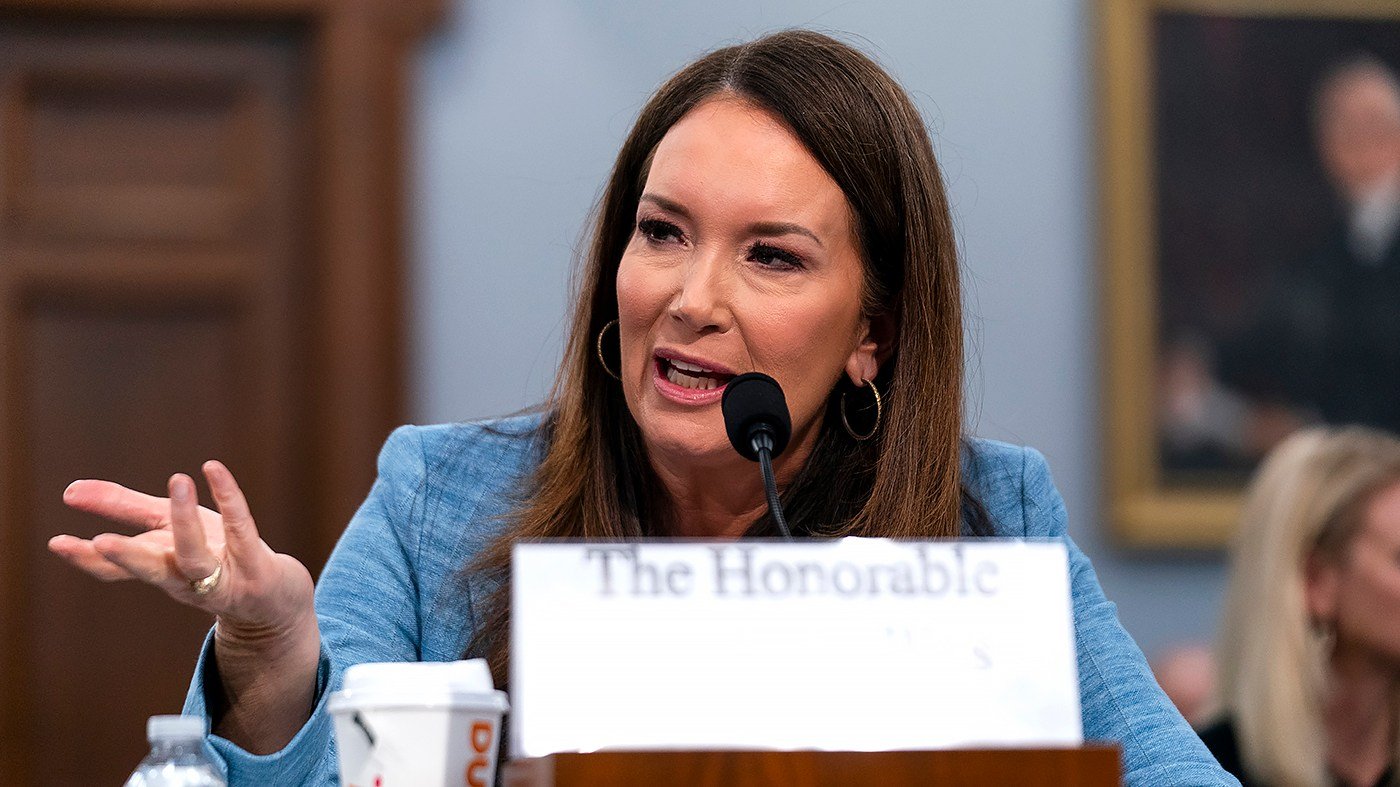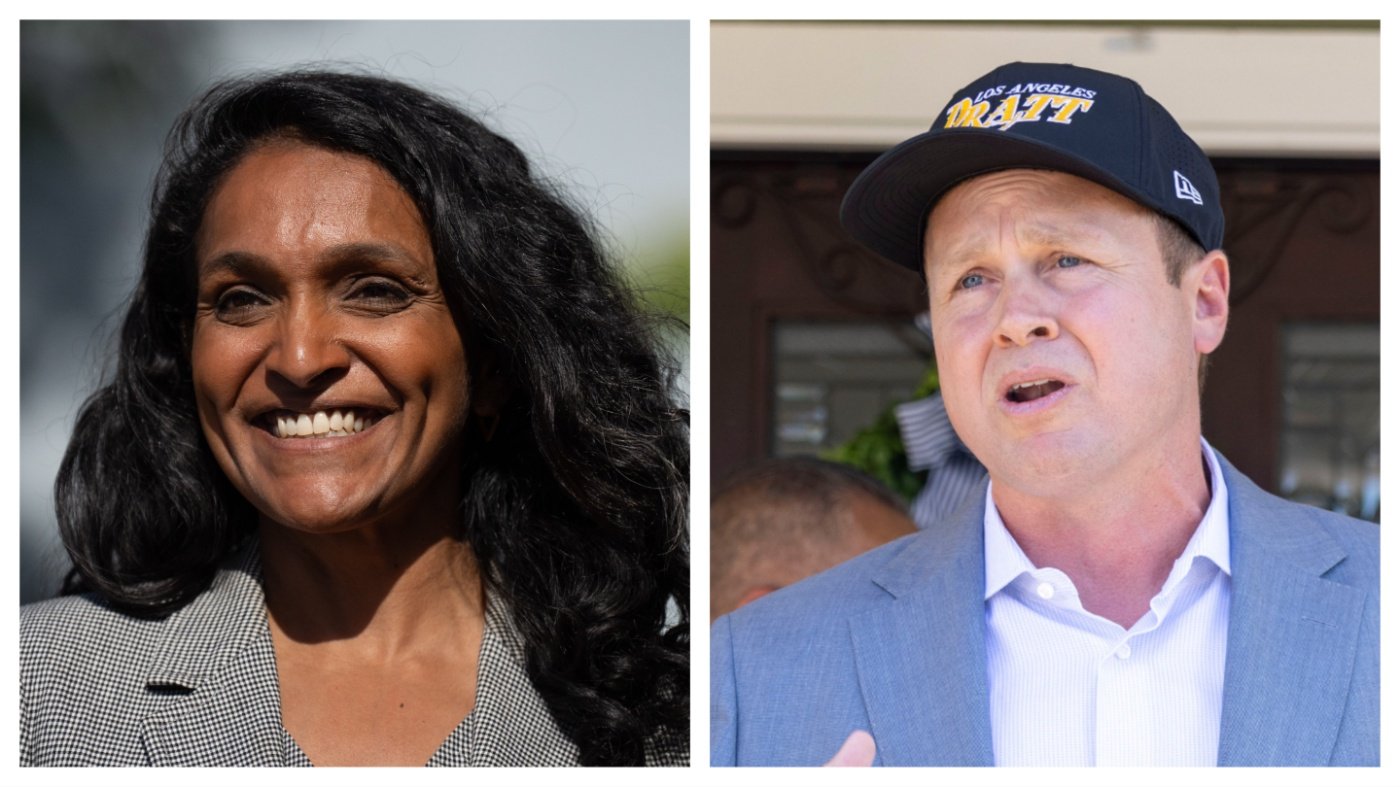
Los Angeles Democrats held onto their ballots until the final hours of the June 2 primary, waiting to decide on the chaotic California governor's race, and that last-minute voting reshaped the mayoral contest, according to Decision Desk HQ (DDHQ). On Sunday, the election analytics firm projected that City Councilmember Nithya Raman would clinch second place behind Mayor Karen Bass, edging out former reality TV star Spencer Pratt for a spot in the November runoff.
As of Monday, Raman held 27.1 percent of the vote, trailing Bass's 34.7 percent, while Pratt sat at 26.7 percent. DDHQ chief election analyst Geoffrey Skelley explained that the surge in Democratic ballots counted after Election Day flipped the race. "A lot of Democrats turning in their ballots at the last minute, they're waiting because they're trying to figure out who they're going to vote for for governor in what has been a somewhat chaotic and messy race," Skelley told The Hill.
Voting patterns in Los Angeles favored Democrats despite the nonpartisan nature of the mayoral race, Skelley noted. Bass, a Democrat, was called the winner the day after the election, and as more ballots were tallied, Raman, also a Democrat, gained ground on Pratt, a registered Republican. "Karen Bass has stayed at around the same 34, 35 percent in terms of her count, so that would follow the logic that there were more Democrats in the makeup of the ballots that were being counted after election night, as we anticipated," Skelley said.
He added that Raman would continue to outpace Pratt in the count, noting, "At this point, it doesn't have to be any more votes, because she's already ahead of him." Skelley dismissed suggestions that Pratt wasn't receiving additional votes, clarifying, "He just hasn't gotten as many votes" overall. He emphasized that the vote drops were routine, not evidence of fraud, but acknowledged that conspiracy theories have flourished. "People are running with it, of course, because there's definitely a lot of people out there who are just crying fraud about anything," he said.
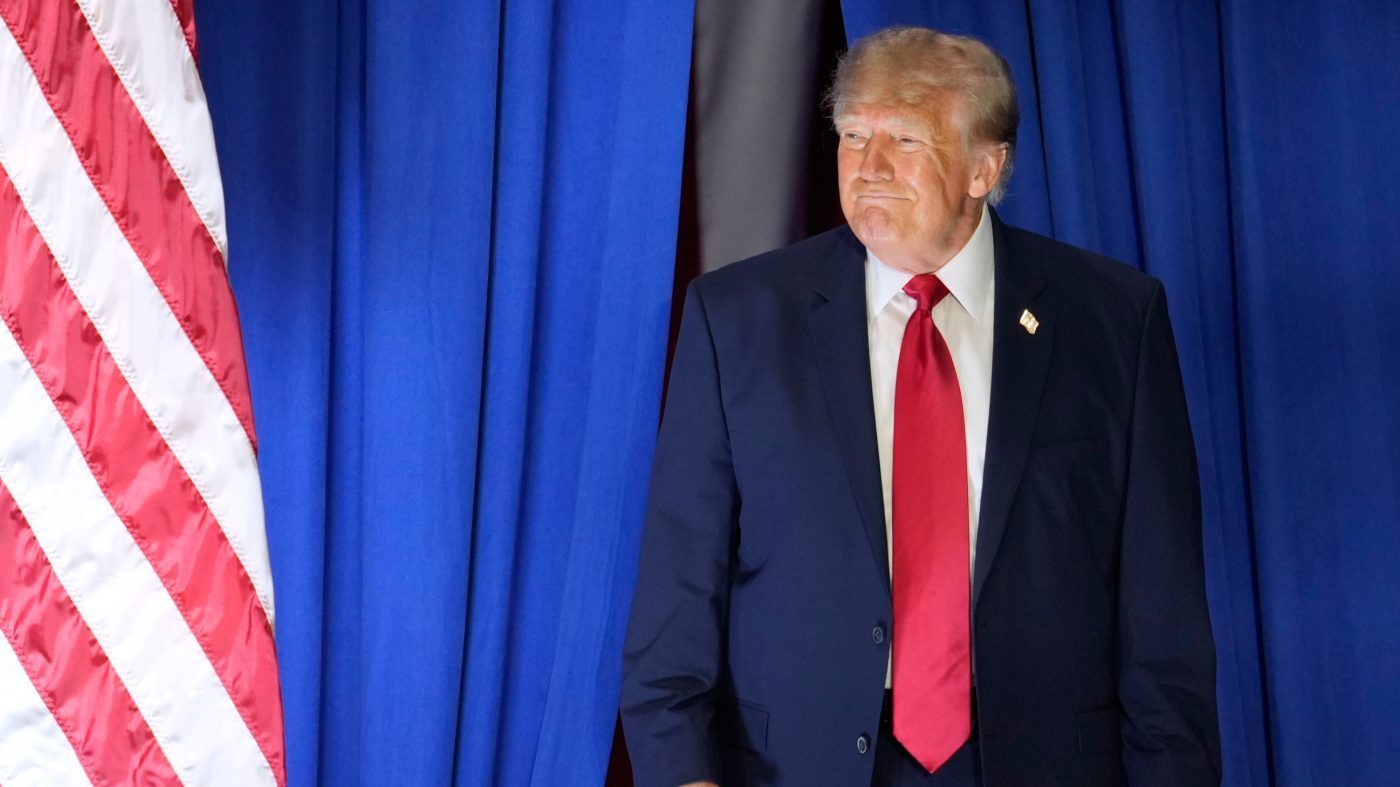
The delayed results in both the mayoral and gubernatorial races have sparked criticism, ranging from calls for reform to baseless claims of rigging. President Trump weighed in on Truth Social on Monday, asserting it was "not possible" for Pratt to miss the runoff "after the big lead he had." Pratt himself posted on X that "hundreds of thousands of votes" remain uncounted and urged officials to continue tallying.
The phenomenon of a "red mirage" or "blue shift" is at play, Skelley explained. In-person votes, often cast by Republicans, can create an early GOP lead that fades as mail-in ballots, which tend to favor Democrats, are processed. This dynamic is especially pronounced in California, one of eight all-mail states, where ballots postmarked by Election Day are accepted up to a week later. "They accept ballots as long as they're postmarked by Election Day in the mail," Skelley said. "The counties, as they go about counting these, for administrative reasons, are relatively slow, even slower than some other vote-by-mail states."
California could speed up its vote-counting process, but Skelley noted counterarguments: the state's massive population, the multitude of races on the ballot, and the need for better resources for county election officials. He suggested the state may actually be faster this primary due to pressure to counter conspiracy theories. "If anything, it's possible that California, writ large, will end up being a bit faster this primary than it's been in other ones because there has been pressure to pick up the pace of the count," he said.
The trend that elevated Raman could foreshadow similar shifts in the gubernatorial race, Skelley said. "We're having these same conversations about the gubernatorial race in California, and could Tom Steyer catch Steve Hilton for second place for the same reason, but just statewide." He described the LA mayoral race as "a bit of a microcosm of the larger trends that we've seen across California." While the state is not as uniformly blue as Los Angeles, Skelley emphasized that "Democratic candidates have been gaining." Former Health and Human Services Secretary Xavier Becerra, a Democrat, is set to advance to the November general election, but his opponent remains uncertain—either Fox News commentator Steve Hilton, a Republican, or billionaire Tom Steyer, a Democrat, who are battling for second place.
The slow count has also fueled broader partisan tensions, with some Democrats pushing for investigations into Trump administration officials, as noted in related coverage. Meanwhile, internal party debates continue over messaging and electoral strategy, with critics like Warner blasting Democrats as "too bureaucratic" amid polling struggles.