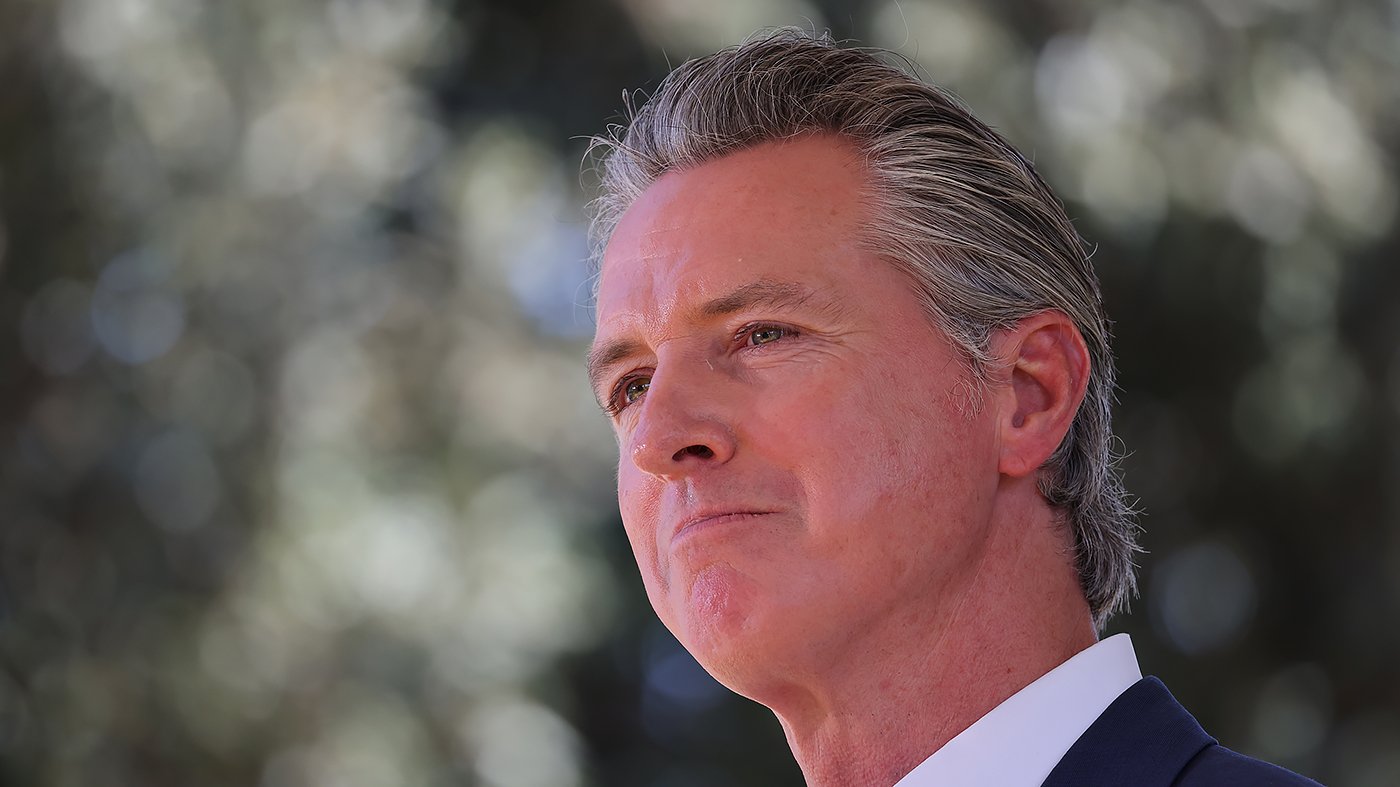
California will start offering instant rebates of up to $3,500 for first-time electric vehicle buyers later this summer, a move designed to fill the gap left by the Trump administration's elimination of federal EV tax credits. Governor Gavin Newsom signed the MyFirstEV program into law on Monday, establishing a $270 million fund to provide point-of-sale discounts for residents purchasing their first zero-emission vehicle.
The program, financed through a combination of state budget allocations and automaker contributions, offers a $3,500 rebate on new EVs priced at $50,000 or less and a $1,750 rebate on used EVs sold for up to $25,000. It targets consumers who have never owned an EV, aiming to accelerate adoption in a state that already leads the nation in electric vehicle sales.
Newsom framed the initiative as a direct response to the Trump administration's rollback of a $7,500 federal EV tax credit and a $4,000 credit for used EVs, which he argued has dampened demand nationwide. “Donald Trump is doing everything in his power to pollute our air and surrender the clean car industry to China on a silver platter,” the Democratic governor said in a statement. He emphasized that the rebates would help families afford cleaner vehicles while easing financial burdens.
The MyFirstEV program is part of a broader $600 million zero-emission vehicle investment in California's 2026-27 budget. That spending plan also includes incentives for clean trucks and buses, air protection projects, and initiatives to help low-income residents replace older, higher-polluting cars. The state's previous EV rebate program, which distributed nearly $1.5 billion over a decade, ended in 2023.
California remains the largest EV market in the U.S., with electric vehicles accounting for more than 20% of new car sales last year, according to the California Energy Commission. However, the loss of federal credits has raised concerns about slowing momentum, particularly as automakers face pressure to meet the state's ambitious zero-emission vehicle mandates.
Newsom's latest move comes amid ongoing tensions with Washington over environmental policy. The governor has previously blamed the Trump administration for blocking California's efforts to set stricter emissions standards, a battle that has intensified as the state pursues its goal of phasing out gasoline-powered cars by 2035. The rebate program is seen as a stopgap measure to maintain consumer interest until federal policies shift.
Critics argue that the state-funded rebates are a costly patch that does not address underlying issues like high EV prices and limited charging infrastructure. Supporters counter that the program is essential to keep California on track for its climate targets, especially as other states scale back their own EV incentives. The success of MyFirstEV will depend on how quickly it can boost sales among first-time buyers, a demographic that has been slower to adopt electric vehicles.