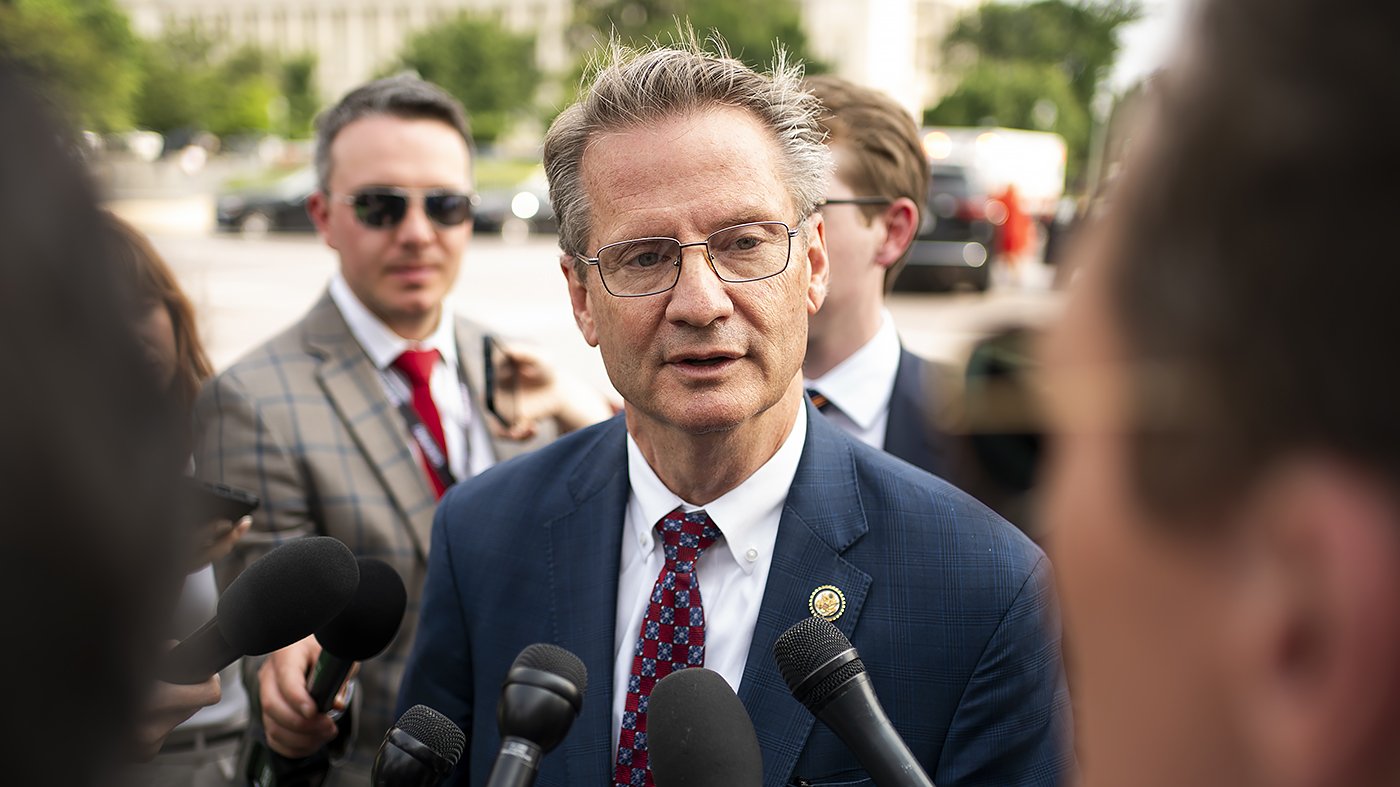
Republican Congressman Tim Burchett of Tennessee issued a direct appeal to President Donald Trump on Sunday, urging the immediate declassification and release of all government files pertaining to Unidentified Anomalous Phenomena (UAP) and extraterrestrial life.
Appearing on Fox News, Burchett framed the issue as one of transparency and fiscal accountability, arguing that the American public deserves to know the truth about decades of secrecy and alleged covert programs. "We need to peel back those layers," Burchett stated. "Let America decide if we can handle it. I think we can."
Beyond 'Little Green Men'
Burchett emphasized that the core issue extends beyond popular culture depictions of aliens. "It's not about little green men or flying saucers," he said. "It's about what we are spending tens of millions of taxpayer dollars on, when one agency tells me these things don't exist and another department within that same agency tells me they do."
The congressman revealed he has received classified briefings from multiple intelligence and defense agencies, which he described as "pretty wild." He suggested the contents were so significant that public disclosure would be deeply unsettling. "If they would release the things that I've seen," Burchett told Newsmax in a separate interview, "you'd be up at night worrying about or thinking about this stuff."
A Legislative Push for Disclosure
Burchett has been a leading figure in congressional efforts to investigate UAPs, having spearheaded a series of high-profile hearings since 2023. The most explosive testimony came from former intelligence official David Grusch, who alleged under oath that the U.S. has run a "multi-decade" program to retrieve and reverse-engineer non-human craft—a claim the Pentagon has denied.
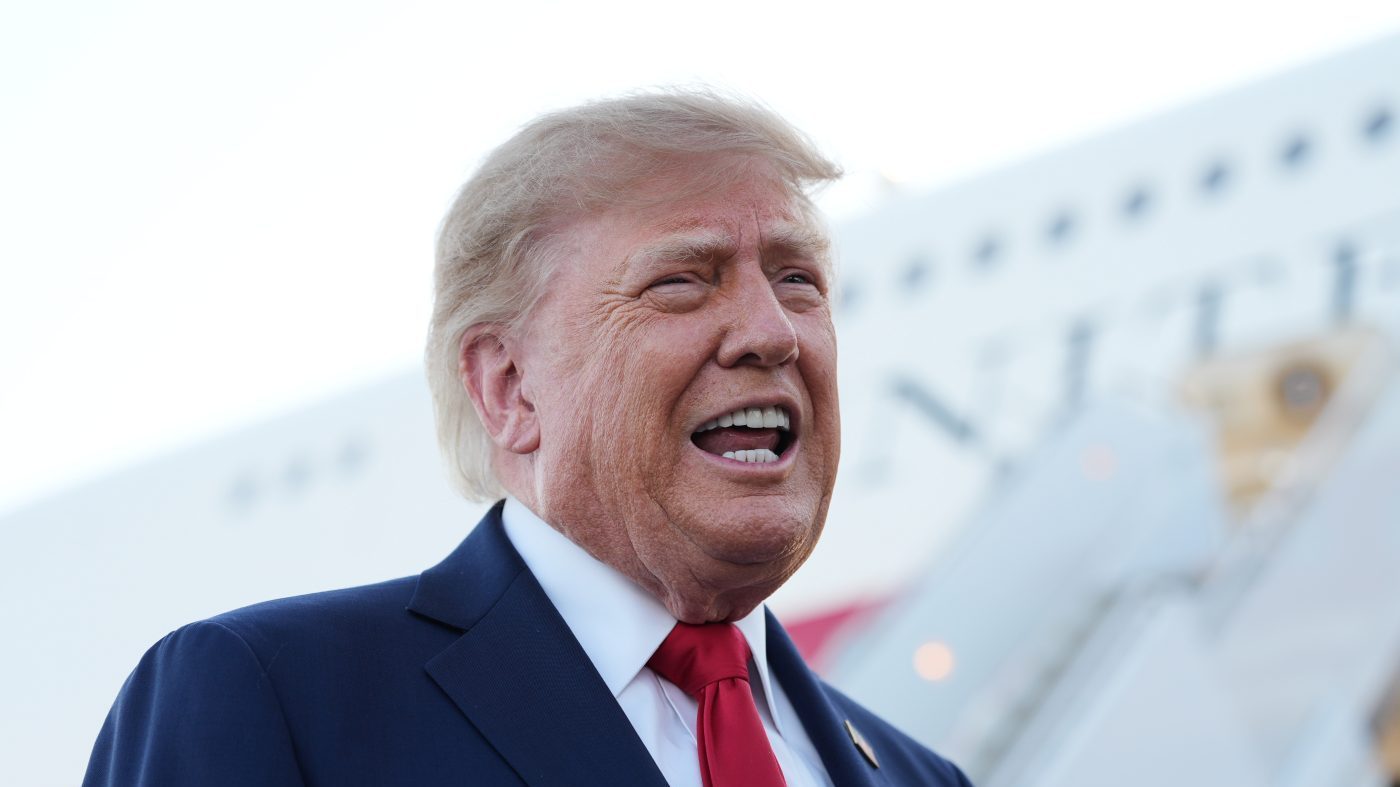
This legislative pressure aligns with a political commitment from Trump himself. In February, the former president pledged on Truth Social to direct his administration to "identify and release Government files" on UAPs and extraterrestrial matters, citing "tremendous interest." Burchett's public call appears designed to hold Trump to that promise, leveraging the president's own expansive view of executive authority to force disclosure.
The Stakes of Secrecy
For Burchett and a growing bipartisan cohort in Congress, the issue represents a fundamental breach of public trust. The congressman has repeatedly suggested that the federal government has deliberately concealed information on UAPs, potentially obscuring advanced technologies or unexplained national security threats. His focus on the misallocation of "tens of millions" in secret funding taps into broader concerns about unchecked and opaque government spending.
The call for transparency also intersects with heightened global tensions and questions of strategic advantage. While the topic of UAPs may seem isolated, the handling of classified aerospace technology has direct implications for national defense and technological supremacy, areas where the current administration has frequently taken aggressive postures.
Whether Trump will follow through on his February pledge remains a central question. Burchett's public pressure introduces a new dynamic, testing the president's willingness to declassify information that numerous past administrations, regardless of party, have kept sealed. The outcome will signal much about this administration's commitment to radical transparency versus the enduring power of the national security establishment to maintain secrets.