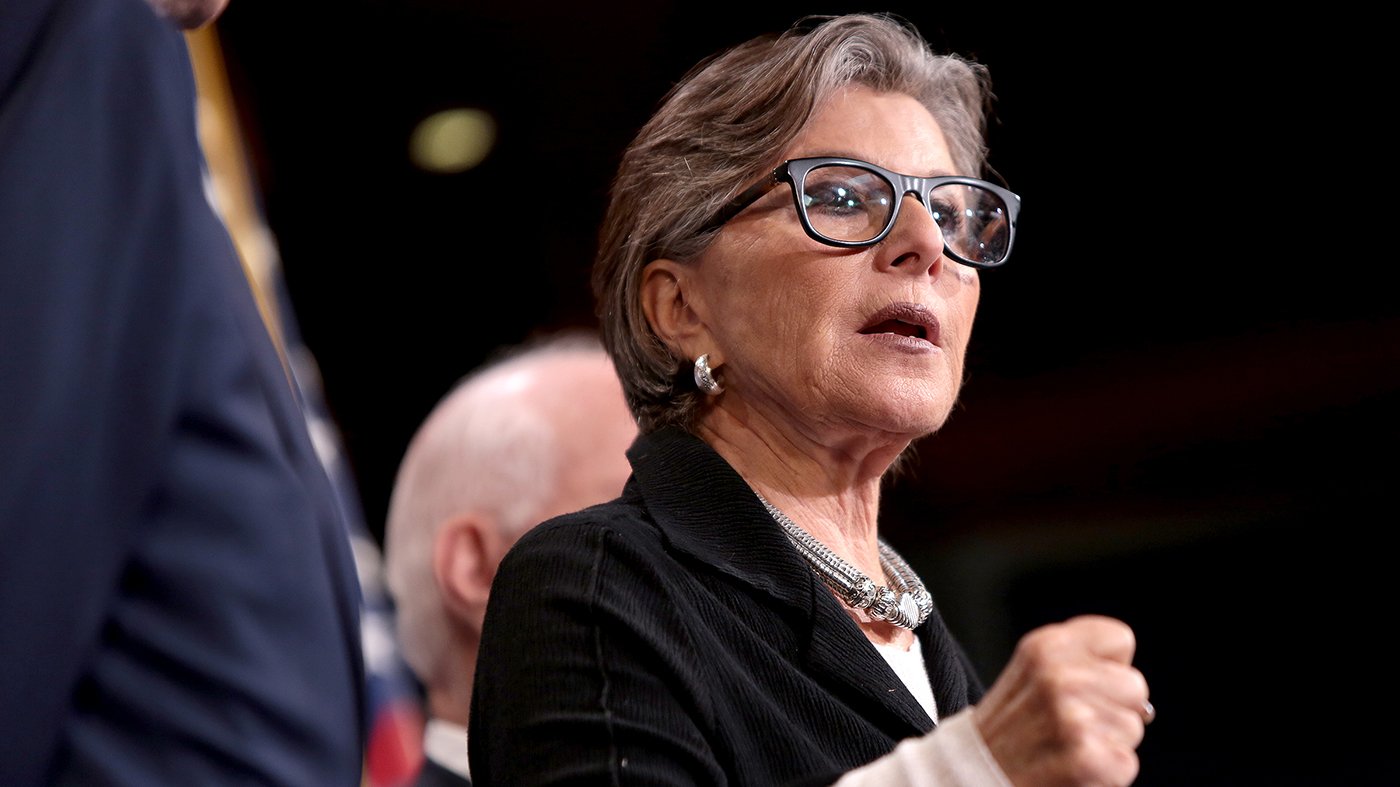
Former Democratic Senator Barbara Boxer of California delivered a stark assessment of the nation's economic climate this week, describing the outlook for many citizens as profoundly bleak. In an interview, Boxer pointed to soaring costs for essentials like fuel and widespread anxiety over healthcare and employment as evidence of a deepening crisis for American households.
A Dire Diagnosis from a Veteran Democrat
"For a significant number of people, the situation is extremely dark," Boxer stated. "The reasons are clear: filling a gas tank has become a financial strain, millions are losing their health coverage, and the fear of not finding work is pervasive." Her comments underscore the potent political challenge of affordability, which is poised to be a central theme in the upcoming midterm elections.
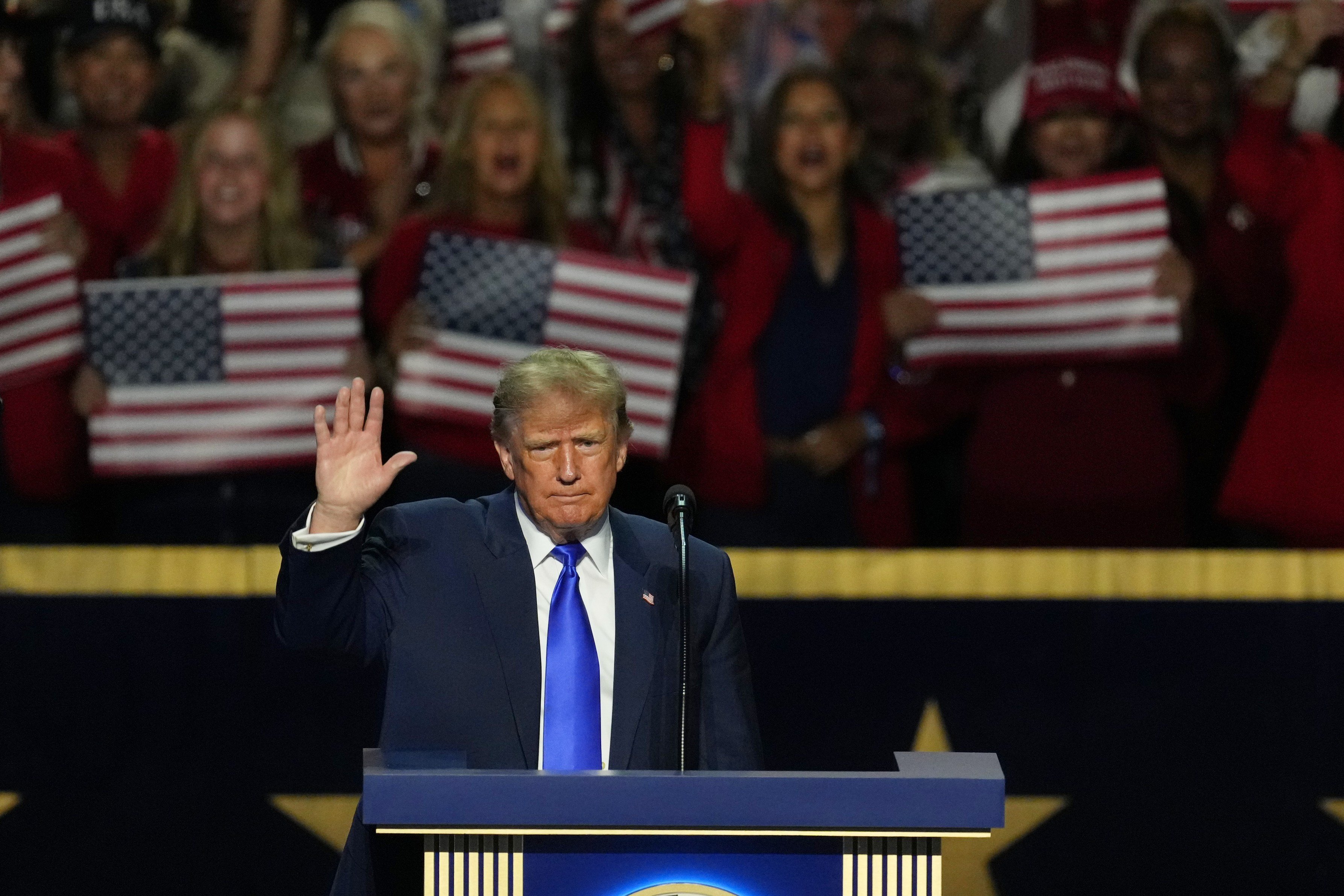
This focus on economic hardship is not new for Democrats, who emphasized similar cost-of-living concerns in key races last year in states like Virginia and New Jersey. The issue also featured prominently in the 2024 presidential campaign, with then-President Biden facing criticism from Donald Trump over high prices.
Polling Reflects Growing Economic Anxiety
New data appears to validate these concerns. A survey released this week by The Associated Press and NORC shows President Trump's economic approval rating has fallen to 30%, marking an 8-point decline since March and a 9-point drop from February. According to a polling average from Decision Desk HQ, Trump's overall approval now stands at 40.3%, with 56.9% disapproving.
The political landscape in Boxer's home state is also heating up, with candidates vying to address these very issues. The upcoming pivotal California gubernatorial debate will likely see affordability take center stage, much like it did in a recent forum where the housing crisis and GOP rivalry were key topics.
White House Pushes Back on Inflation Narrative
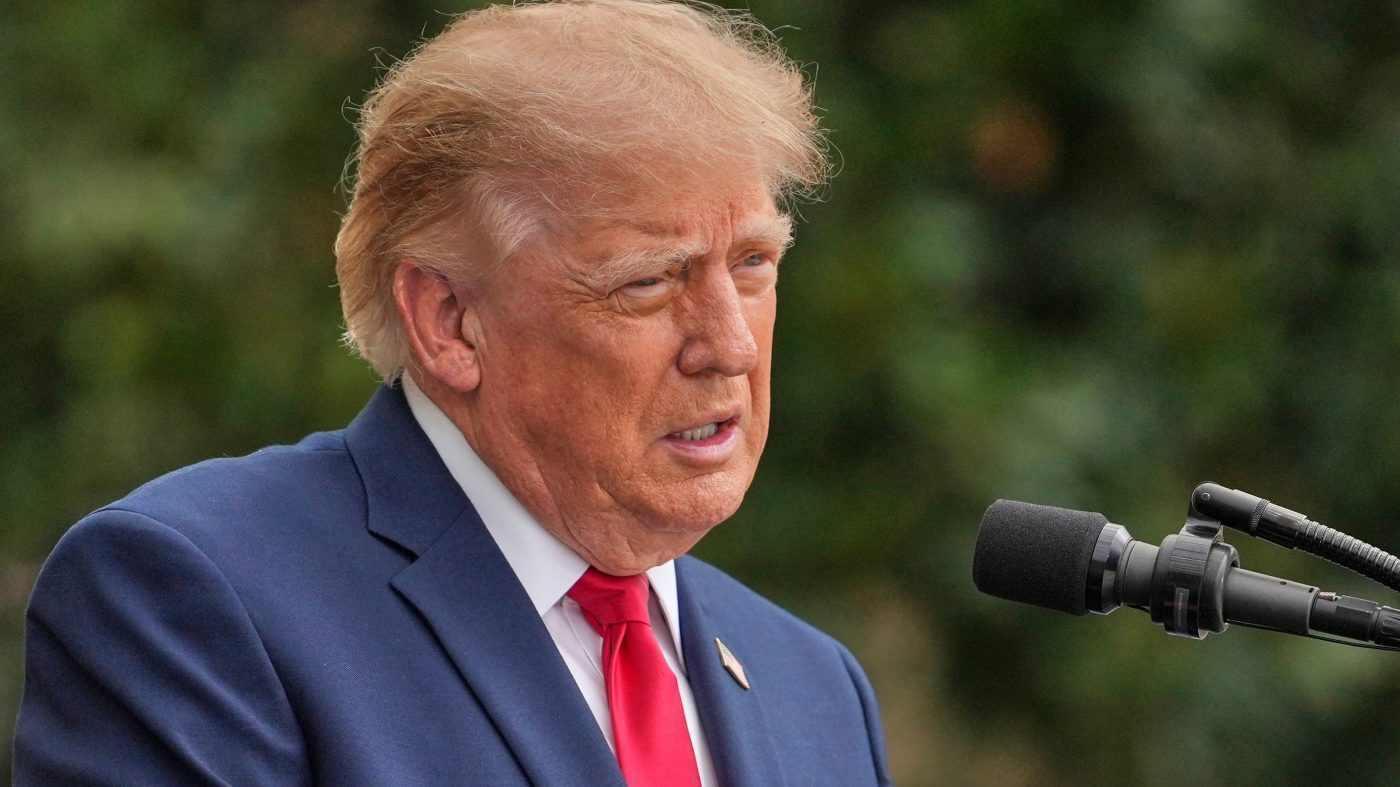
Amid these critiques, President Trump recently defended his administration's economic record at an event in Las Vegas. He sought to contextualize a recent Labor Department report showing a 0.9% increase in inflation for March, attributing it largely to energy markets. "We're experiencing some artificial inflation because of fuel and energy prices," Trump asserted, linking the increase to global tensions.
Those tensions include the ongoing conflict with Iran, where public opinion strongly favors a ceasefire. The geopolitical strain has contributed to rising costs at the pump. Data from AAA indicates the national average for a gallon of regular gasoline has reached $4.02, up from $3.94 a month ago and a significant jump from $3.17 one year prior.
Boxer's warning extends beyond fuel costs, touching on a healthcare system in flux. Her comments on insurance losses come as the administration faces scrutiny over health policy, an area where outside advisers sometimes emerge in unexpected roles, such as a former HHS adviser taking a position with a restaurant chain to champion nutrition.
The convergence of high prices, healthcare instability, and wavering public confidence presents a complex political battlefield. As candidates at both the state and federal level craft their messages, the experiences of voters struggling with daily costs, as highlighted by Boxer, are likely to remain a powerful and defining issue through the election cycle.