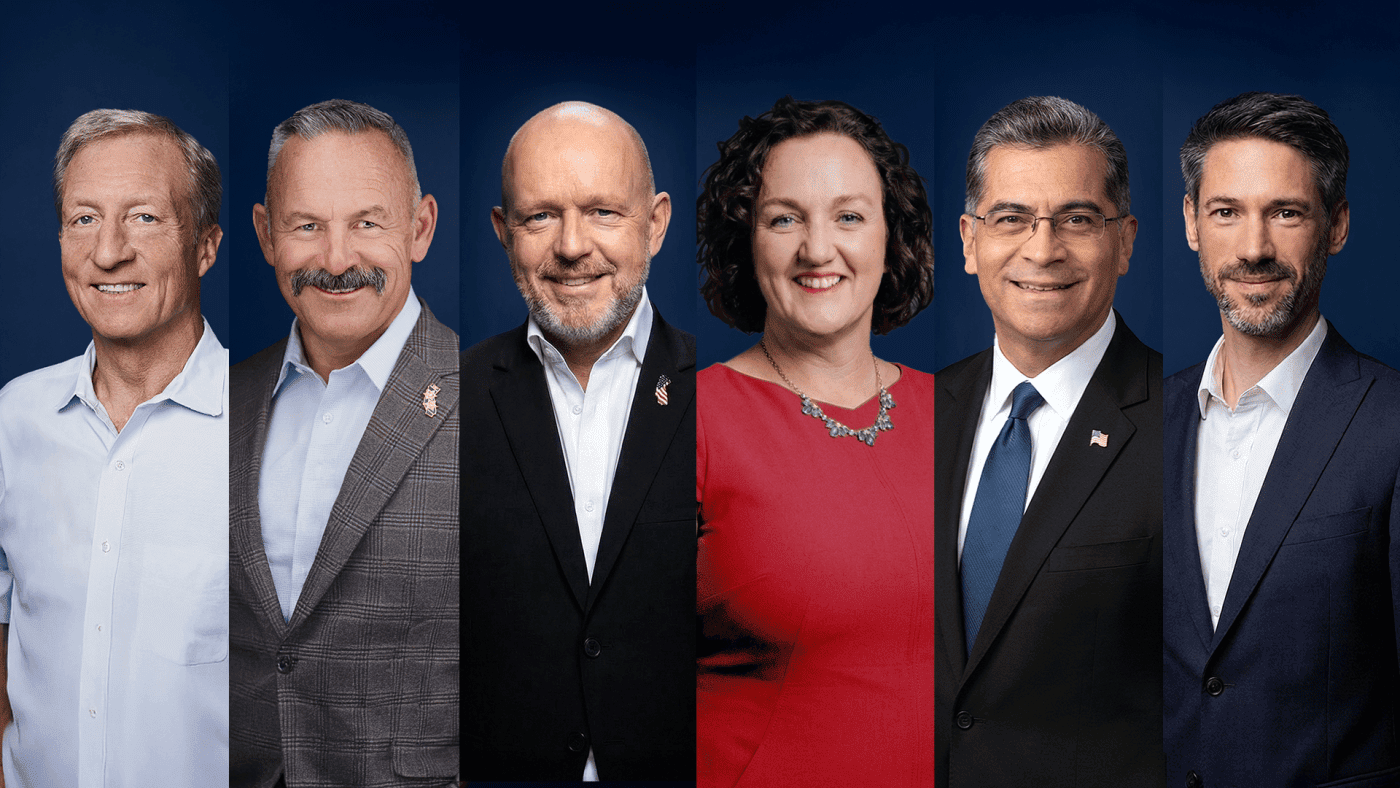
Six candidates will face off Wednesday night in a critical California gubernatorial debate hosted by Nexstar Media Group, presenting their visions for leading the nation's most populous state. The event airs at 7 p.m. and features the final contenders who cleared a 5% polling threshold in a recent Nexstar survey, following a turbulent primary season marked by several high-profile withdrawals.
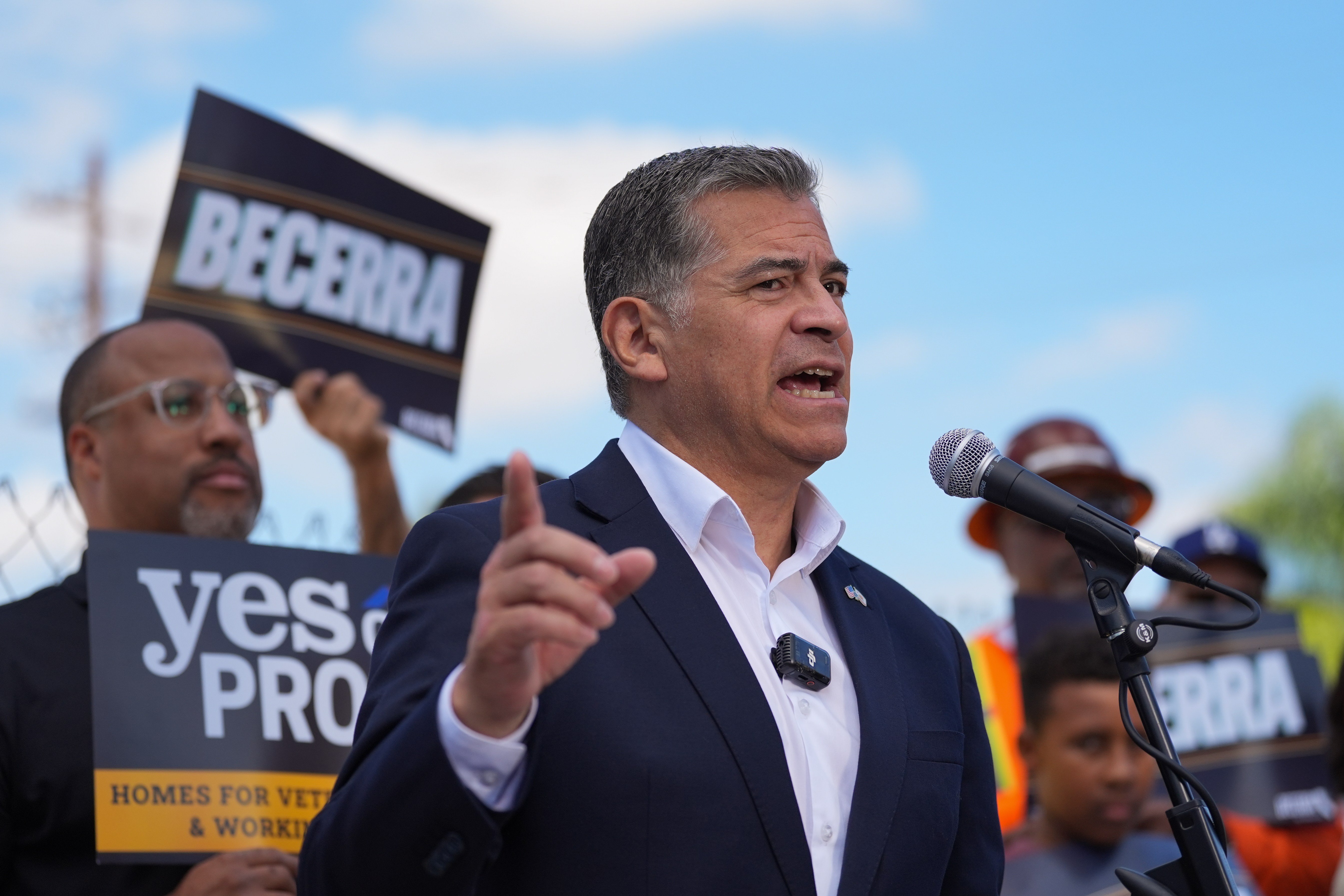
The debate stage will include two Republicans—conservative commentator Steve Hilton and Riverside County Sheriff Chad Bianco—and four Democrats: businessman and activist Tom Steyer, former Health and Human Services Secretary Xavier Becerra, former Representative Katie Porter, and San Jose Mayor Matt Mahan. The field was set after former Representative Eric Swalwell suspended his campaign amid allegations and former State Controller Betty Yee exited the race, citing poor polling numbers. Yee's departure followed her sharp criticism of Porter's temperament, which she claimed made the former congresswoman unfit for office.
The Affordability Imperative
With California's cost of living and housing crisis ranking as voters' top concern according to the Public Policy Institute of California, candidates will be pressed to move beyond generalities and offer concrete policy solutions. While all contenders acknowledge the need for more affordable housing, their approaches diverge significantly. Mahan emphasizes tax reduction and deregulation, while Steyer's platform details specific measures like upzoning and modular construction. Other candidates have been less explicit in their published plans, potentially using the debate to unveil new proposals to capture the attention of the state's many undecided voters.
Republican Showdown with National Implications
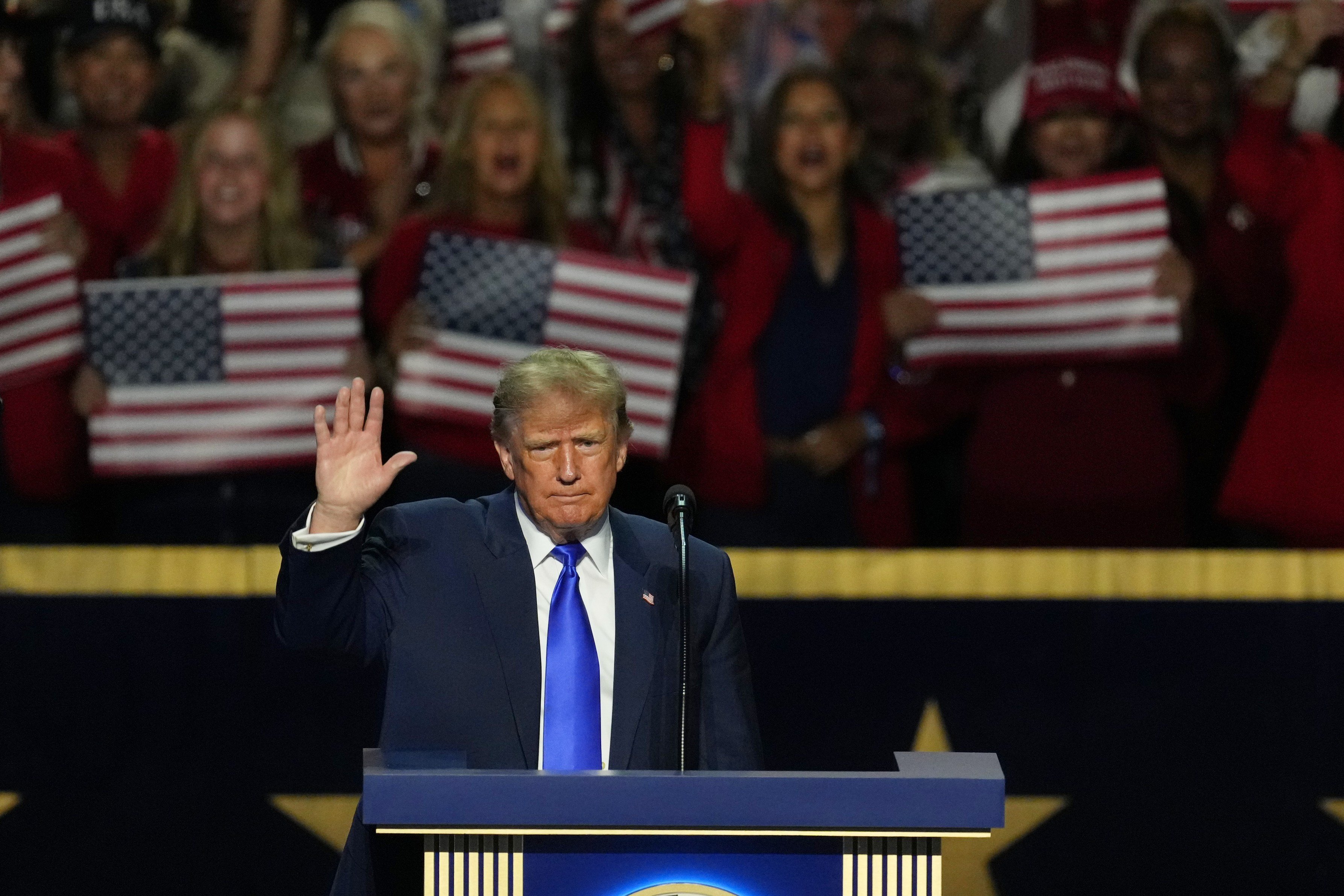
In a surprising twist for the deeply blue state, the two Republican candidates currently lead the field in polling. Hilton holds 17% support in the latest Nexstar/Emerson College poll, with Bianco at 14%. This positions Wednesday's debate as a crucial opportunity for each to consolidate Republican support and appeal to independents. Hilton, a former Fox News host, has centered his campaign on tax cuts and education reform, while Bianco has focused on public safety and border security. The rivalry intensified this month when former President Donald Trump endorsed Hilton, calling him a "truly fine man." However, Bianco has positioned himself as a pragmatic alternative, arguing his law enforcement experience better equips him to address California's specific challenges.
Democratic Division and the Jungle Primary Threat
The crowded Democratic field presents a strategic dilemma for the party. California's top-two "jungle primary" system could theoretically produce a November ballot featuring two Republicans if Democratic votes split evenly among four candidates. Current polling shows Steyer at 14%, with Becerra and Porter tied at 10% and Mahan at 5%. With 23% of voters undecided, the debate represents a major opportunity for one Democrat to break away as the clear party favorite. The stakes are particularly high for Porter, who may need to address questions about her confrontational style following last year's viral exchange with a CBS reporter, and for Steyer, whose past business investments could conflict with his current progressive platforms.
Campaign Finance as a Proxy for Support
Financial backing will serve as a subtext throughout the debate, revealing each candidate's coalition. Steyer has largely self-funded his campaign while also drawing support from business leaders. Mahan's donor base is rooted in Silicon Valley and technology interests, while Hilton has received significant contributions from Fox media mogul Rupert Murdoch. Porter has garnered support from healthcare unions, Bianco from law enforcement groups, and Becerra from traditional corporate donors including Chevron. These financial ties may surface as candidates debate energy, healthcare, and regulatory policy.
The debate occurs against a backdrop of national political tension, coinciding with international deadlines that highlight the interconnected nature of governance. As California voters assess their next governor, the qualification of these six contenders sets the stage for a consequential exchange that will shape the final six weeks before the primary. With Republicans unexpectedly leading in early polling and Democrats needing to consolidate support, Wednesday's event represents more than a routine debate—it's a potential inflection point for California politics that could determine whether the state's general election features traditional partisan competition or an unprecedented Republican-versus-Republican matchup.