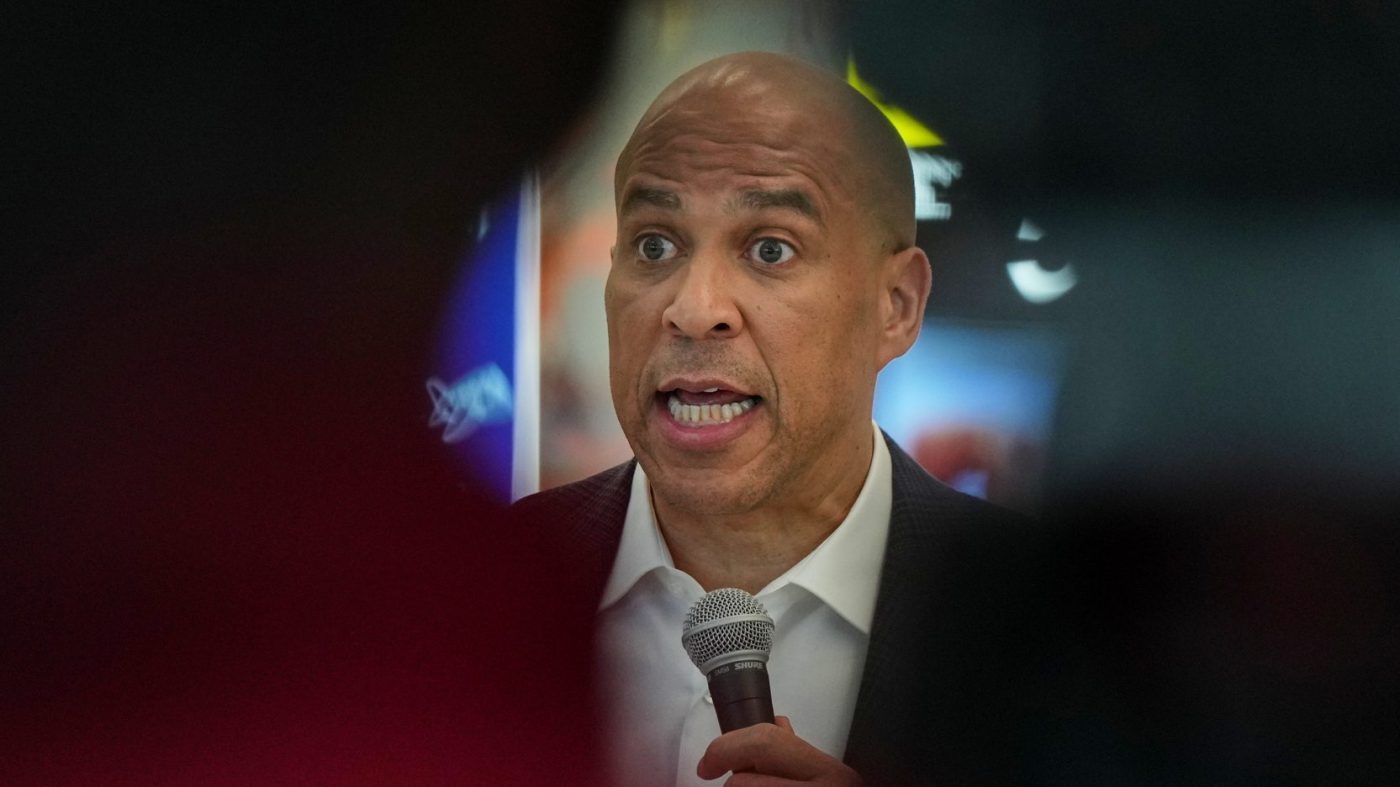
Sen. Cory Booker (D-N.J.) is on track for a November matchup against Republican nominee Justin Murphy after both secured primary victories Tuesday in New Jersey's Senate primaries. Booker, who ran unopposed, now holds a commanding advantage in a state that hasn't sent a Republican to the Senate since 1972.
Murphy's Unlikely Victory
Murphy, a Navy veteran and former candidate, emerged from a crowded GOP primary with just over 33 percent of the vote, according to Decision Desk HQ. His closest rival, state trooper and former service member Richard Tabor, garnered roughly 29 percent. This win came despite Murphy's campaign reporting negative $24 in cash on hand to the Federal Elections Commission—a virtually nonexistent financial war chest.

The primary field included multiple candidates, but Murphy's grassroots appeal proved sufficient to edge out Tabor and others. His 2024 Senate bid also ended in a third-place primary finish, making this year's victory a notable turnaround.
Booker's Financial and Political Edge
Booker, who has represented New Jersey since 2013, boasts over $22 million in his campaign account, according to FEC filings. The nonpartisan Cook Political Report rates the race as “solid Democrat,” reflecting the state's deep-blue lean. In the 2024 presidential election, former Vice President Kamala Harris won New Jersey by six points, underscoring the uphill battle for any Republican.
This financial disparity is stark. While Murphy operates with effectively no resources, Booker's war chest allows for extensive advertising and ground operations. The incumbent's unopposed primary also saved him from any intraparty expenditure.
Historical Context and Broader Implications
New Jersey has not elected a Republican to the U.S. Senate since Clifford Case in 1972, a streak that shows no signs of breaking. The state's political landscape remains heavily Democratic, and this race is widely seen as a foregone conclusion. However, the primary results highlight ongoing dynamics within the state GOP, which continues to struggle with candidate recruitment and fundraising.
In other New Jersey races, the open seat in the 12th Congressional District is drawing attention, as is Rep. Tom Kean Jr.'s competitive general election fight. These contests will test whether any Republican gains can be made in the state.
Murphy's victory, while symbolic of grassroots persistence, is unlikely to alter the Senate's balance of power. Booker's reelection is all but assured, and the race will largely serve as a platform for broader Democratic messaging on national issues.
As the general election approaches, all eyes will be on whether Murphy can leverage his military background and outsider status to gain any traction—or if Booker's massive financial and political advantages will render the contest a formality.