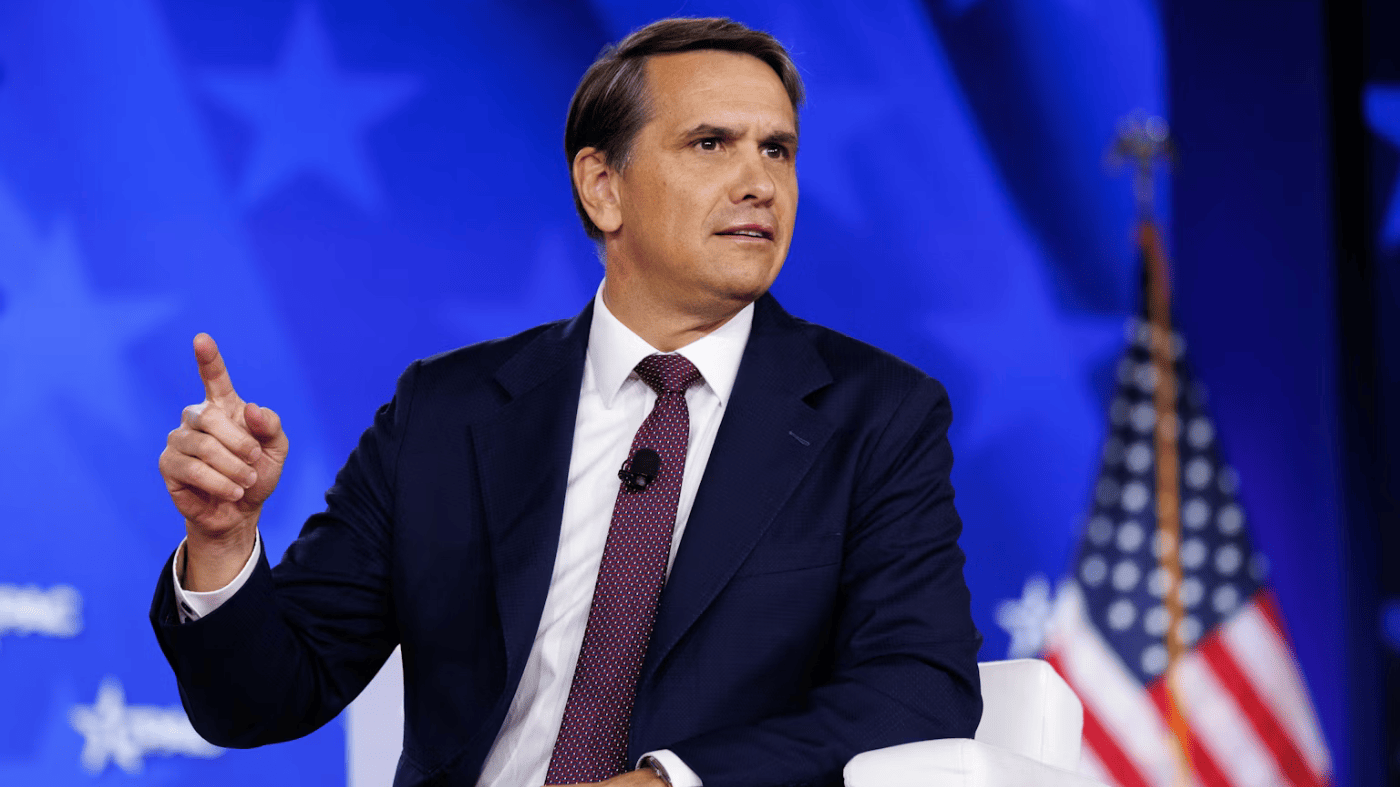
Deputy Attorney General Todd Blanche publicly endorsed the controversial concept of deploying U.S. Immigration and Customs Enforcement (ICE) officers to polling locations, framing Democratic opposition as illogical. Speaking at the Conservative Political Action Conference, Blanche challenged critics, asking, "Why is there an objection to sending ICE to polling stations? Illegals can't vote. It doesn't make any sense." His remarks signal a hardening administration position on election security measures that Democrats condemn as voter intimidation.
Scant Evidence for Voter Fraud Claims
The push for an ICE presence at polls is predicated on claims of noncitizen voting, for which evidence remains exceptionally thin. Multiple reviews of U.S. elections have uncovered only isolated instances of attempted voting by noncitizens. A Brennan Center study of the 2016 general election identified approximately 30 suspected, unconfirmed cases out of 23.5 million votes cast—a rate of about 0.0001 percent. This data directly counters persistent Republican assertions of widespread fraud, a narrative often amplified in venues like certain media appearances where election integrity is questioned.
Democrats Decry 'Intimidation Tactic'
Democratic officials have uniformly condemned the proposal, characterizing it as a transparent effort to suppress voter turnout through intimidation. "These are all tools of how the president is trying to think about a much larger plan, which is, if you cannot hold onto power through democratic elections, then adjust democratic elections," Maryland Governor Wes Moore (D) stated during a recent CNN interview. Critics question why armed federal agents would be necessary at locations where, by law, only U.S. citizens may participate.
The administration's internal messaging on the issue has been inconsistent. During a call with state election officials, a Department of Homeland Security (DHS) representative labeled rumors of planned ICE deployments to polls as "misinformation." In congressional testimony, other DHS officials have stated there are no current plans for such actions. However, this official line contrasts with supportive comments from other high-ranking figures.
Administration Officials Signal Support
Blanche is not alone in backing the idea. A growing number of Trump administration officials have voiced support for the measure. White House border czar Tom Homan, in an interview on "The Charlie Kirk Show," echoed Blanche's skepticism of Democratic concerns. "Bottom line is, what are they afraid of?" Homan said. "And they say illegal aliens don't vote. Well, look, you know, part of DHS' job is secure elections... if only U.S. citizens can vote, I don't see the issue of what they're concerned about." Homan's comments, reported in our coverage of the White House border official's refusal to rule out ICE at polls, leave the door open to future action.
The debate occurs against a backdrop of heightened DHS activity and political maneuvering. Recently, the administration deployed ICE officers to major U.S. airports, a move that sparked controversy and raised questions about the agency's expanding domestic roles. This deployment also exacerbated tensions within a department grappling with a funding impasse, as detailed in our report on the Senate's recent DHS funding bill.
Political analysts suggest the polling place proposal is less about addressing a verified threat and more about shaping the narrative for the 2026 election cycle. By emphasizing alleged election integrity issues, the administration aims to rally its base, a strategy reflected in polling that shows the political landscape remains highly competitive. The tactic also diverts attention from other policy vulnerabilities.
Ultimately, the discussion over ICE at polling stations reveals a deep partisan divide over election administration and security. With Blanche's unequivocal endorsement, what was once a fringe proposal is gaining traction within the highest levels of the Justice Department, setting the stage for a major legal and political confrontation as future elections approach.