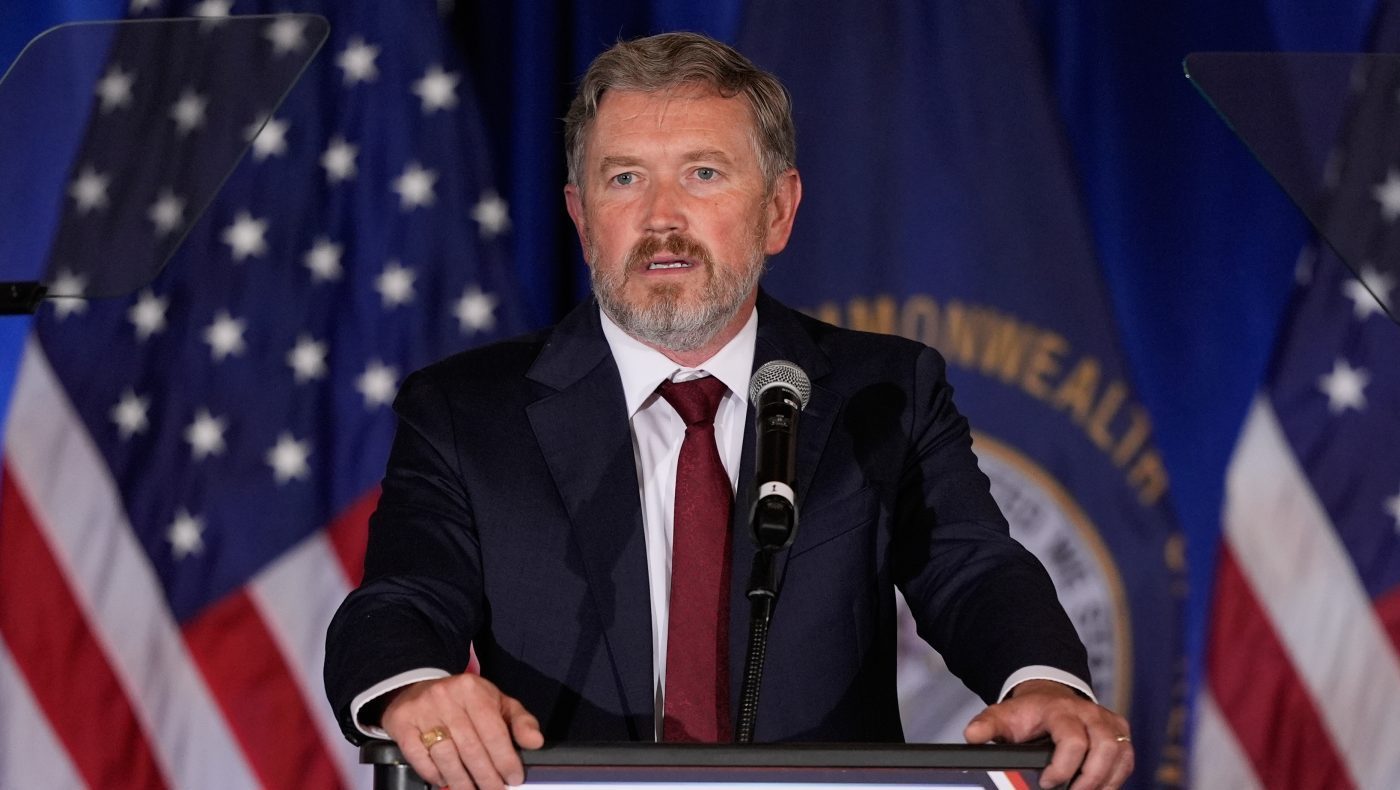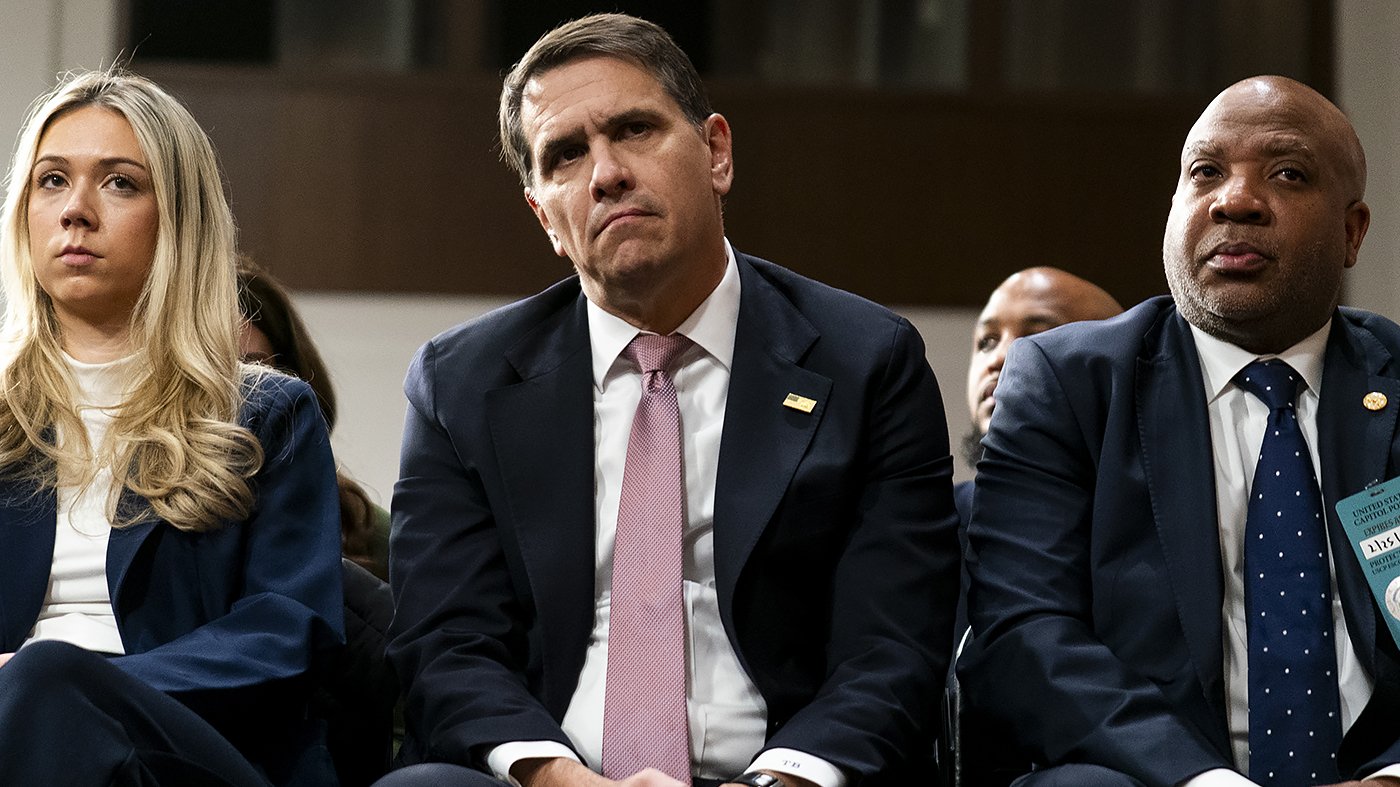
Deputy Attorney General Todd Blanche has sharply criticized Democratic members of the House Oversight Committee for walking out of a closed-door briefing he conducted alongside Attorney General Pam Bondi regarding the Justice Department's investigation into Jeffrey Epstein. The Wednesday meeting, intended to discuss the handling of documents released under the Epstein Files Transparency Act, dissolved after roughly thirty minutes when Democrats exited following a dispute with Committee Chairman James Comer (R-Ky.) over the session's format.
Clash Over Transparency and Process
Blanche, in a subsequent interview, labeled the Democratic departure a "stunt" and staunchly defended the decision to hold the briefing privately. He argued that discussing the sensitive details of a sex trafficking investigation, which involves victim testimony and legally mandated redactions, required a confidential setting. "Do you think we should have had a meeting open to the public when we're going to talk about concerns they have over redactions and our process?" Blanche asked rhetorically during a Friday appearance on NewsNation. He challenged critics, stating, "So, you want to talk about victims, you want to talk about mistakes that you think this department made, let's do it. Ask any question you want, and we'll answer it."
The briefing was part of Chairman Comer's broader probe into the Epstein case, which has included subpoenas for testimony from high-profile individuals named in the released files. Comer has also subpoenaed Bondi to appear for a formal, transcribed deposition next month. Democrats, however, expressed concern that the informal briefing was an attempt to circumvent that scheduled sworn testimony. After the walkout, Comer suggested he saw little need for Bondi's deposition to proceed, a comment that fueled Democratic suspicions about the meeting's purpose.
Democratic Accusations and DOJ Defense
Oversight Committee Ranking Member Robert Garcia (D-Calif.) condemned the event, calling it a "fake briefing" and "shameful." In a social media post, Garcia accused Bondi of "clearly trying to get out of her real hearing that will be transcribed and UNDER OATH." He affirmed that Democrats "won't participate in these games" and expect her to comply with the bipartisan subpoena. The core of the Democratic complaint centers on allegations that the Justice Department improperly executed its redaction process for the Epstein files, though they have walked out of other oversight proceedings, including a recent hearing where they dug in on ICE reforms during a protracted DHS funding impasse.
Blanche pushed back on the criticism, stating that the Trump administration has provided Congress with access to all redacted names and is addressing any errors lawmakers have identified. "When complaints were identified, no problem, we will address it and we will fix it," he stated. He explained that extensive redactions are a legal necessity in such cases, noting, "That's what happens when women who were abused and tell their stories to the FBI come in and tell them, there are large pages that are redacted, as the law requires."
The confrontation reflects deeper partisan tensions on the committee, where procedural battles are common. Similar disputes over the format and scope of investigations have occurred recently, such as when Republicans defended controversial budgetary measures like $200B in funding linked to Iran conflict preparedness. The Epstein probe, with its mix of sensitive law enforcement material and high-profile political figures, has become a flashpoint for these ongoing conflicts over oversight authority and transparency.
As the standoff continues, the scheduled deposition for Attorney General Bondi looms as the next potential conflict. Whether the briefing will satisfy the committee's Republican majority or if Democrats will succeed in compelling sworn public testimony remains unclear. The episode underscores the challenges of conducting oversight on politically volatile matters, where agreements on basic process, like those sometimes seen in broader Senate procedural debates, remain elusive.