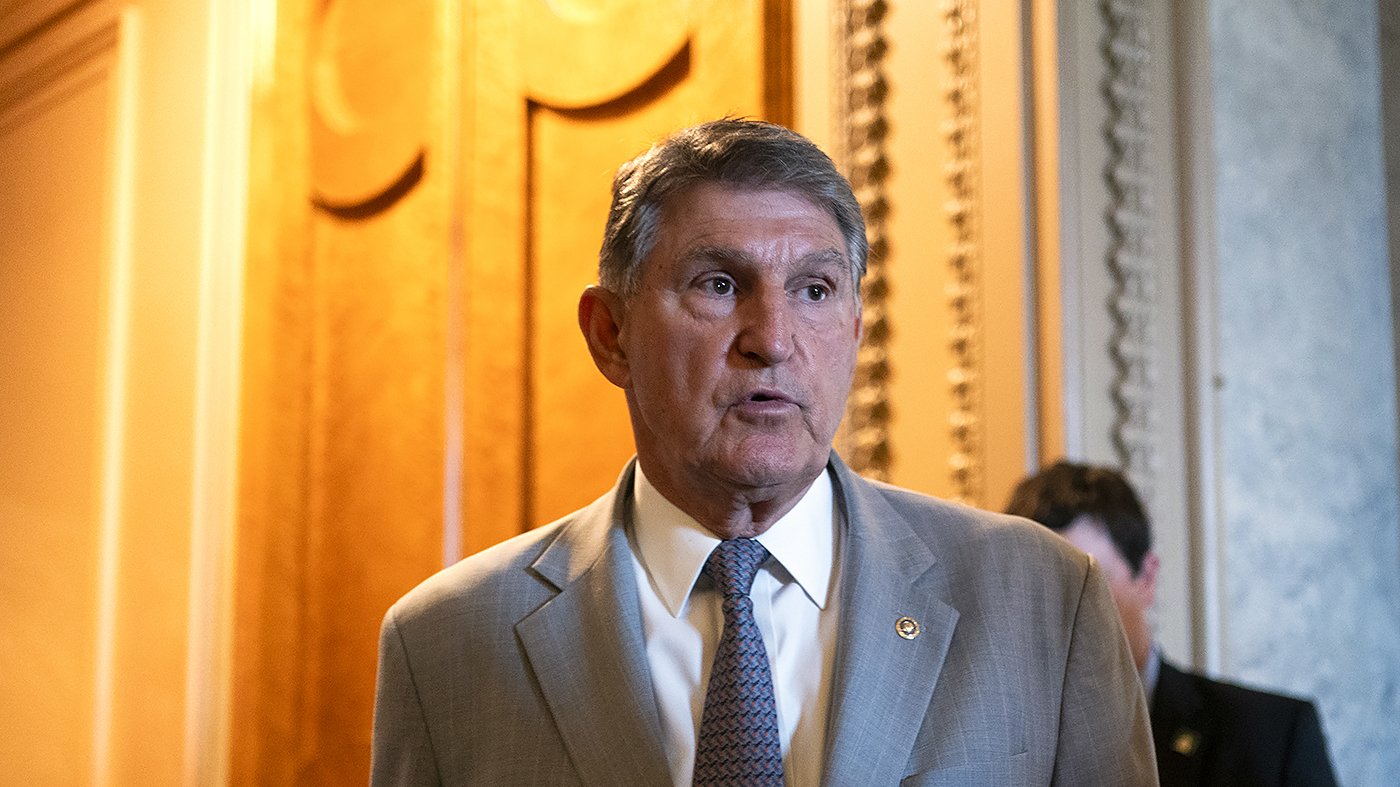
Former Senator Joe Manchin, the West Virginia independent, issued a direct challenge to his former Democratic colleagues on Sunday, urging them to publicly defend the Senate filibuster against a growing Republican push for its elimination. Manchin argued that dismantling the centuries-old procedural rule would fundamentally damage the institution.
A Call for a Public Pledge
During an interview on NewsNation's 'The Hill Sunday,' Manchin called for at least five to ten Democratic senators to sign a binding pledge vowing to never vote to abolish the filibuster. 'I've always been independent. But now, stand up,' Manchin told host Chris Stirewalt. He framed the moment as a critical test for the Democratic caucus to uphold Senate tradition against what he characterized as a shortsighted partisan maneuver.
The filibuster, a rule unique to the upper chamber, requires 60 votes to end debate on most legislation, effectively creating a supermajority threshold for passage. With neither party currently holding 60 seats, the rule forces a degree of bipartisan negotiation. Manchin warned that removing it would 'kill the soul' of the Senate, diminish the United States government's reputation abroad, and transform the deliberative body into a 'flip-flop glorified House' that shifts radically with each election cycle.
Defending Deliberation and Stability
Manchin, who frequently positioned himself as a guardian of Senate norms during his tenure, presented the filibuster as a essential protector of minority party rights and legislative stability. 'It gives the minority a chance to participate,' he said. 'That's all to hear from the minority, which makes us the most deliberate, unusual body in the world, because when we pass legislation, Chris, it's hard. It's even harder to get rid of it.'
He concluded that the procedural hurdle provides 'stability' and 'predictability in the world,' suggesting that foreign allies and adversaries alike rely on the measured pace it enforces on American lawmaking. This defense comes as Republican leaders, urged by former President Trump, are pressing to advance election-related legislation and other priorities, bringing renewed scrutiny to the rule's future.
Immediate Political Context
The debate over the filibuster's utility has intensified in recent weeks as GOP lawmakers work to pass the Safeguard American Voter Eligibility (SAVE) Act ahead of the midterm elections. House Republicans have specifically encouraged Senate counterparts to utilize a 'talking filibuster' tactic to force the bill forward, which would require Democratic senators to physically hold the floor to block it.
This legislative push is part of a broader high-stakes confrontation where election security measures have been tied to critical government funding, raising the political temperature in both chambers. Manchin's intervention serves as a preemptive strike against any potential bipartisan compromise to weaken the filibuster for specific bills, a idea that has surfaced periodically during legislative standoffs.
Manchin's stance places him at odds with some progressive voices and even some centrist colleagues who have expressed openness to filibuster reform under certain conditions. However, his continued influence as a former pivotal swing voter gives his warnings significant weight within the Democratic caucus. His comments also reflect a wider ideological battle over the Senate's identity, a fight that occurs alongside other foreign policy debates, such as calls from some Republicans for aggressive action against Iranian assets.
The former senator's plea underscores a deep-seated belief among institutionalists that the filibuster, despite frequent criticism for causing gridlock, remains a cornerstone of the Senate's designed purpose as a cooling saucer for majority passions. As election-year pressures mount, the rule faces one of its most serious political challenges in decades, with Manchin positioning himself as one of its last lines of defense.