Lawmakers from both parties took turns excoriating the NFL on Wednesday during a House Judiciary Committee hearing, accusing the league of squeezing fans with escalating costs and anticompetitive streaming practices. The bipartisan criticism focused on how the NFL's lucrative media rights deals, which now exceed $100 billion, are making it harder and more expensive for Americans to watch games.
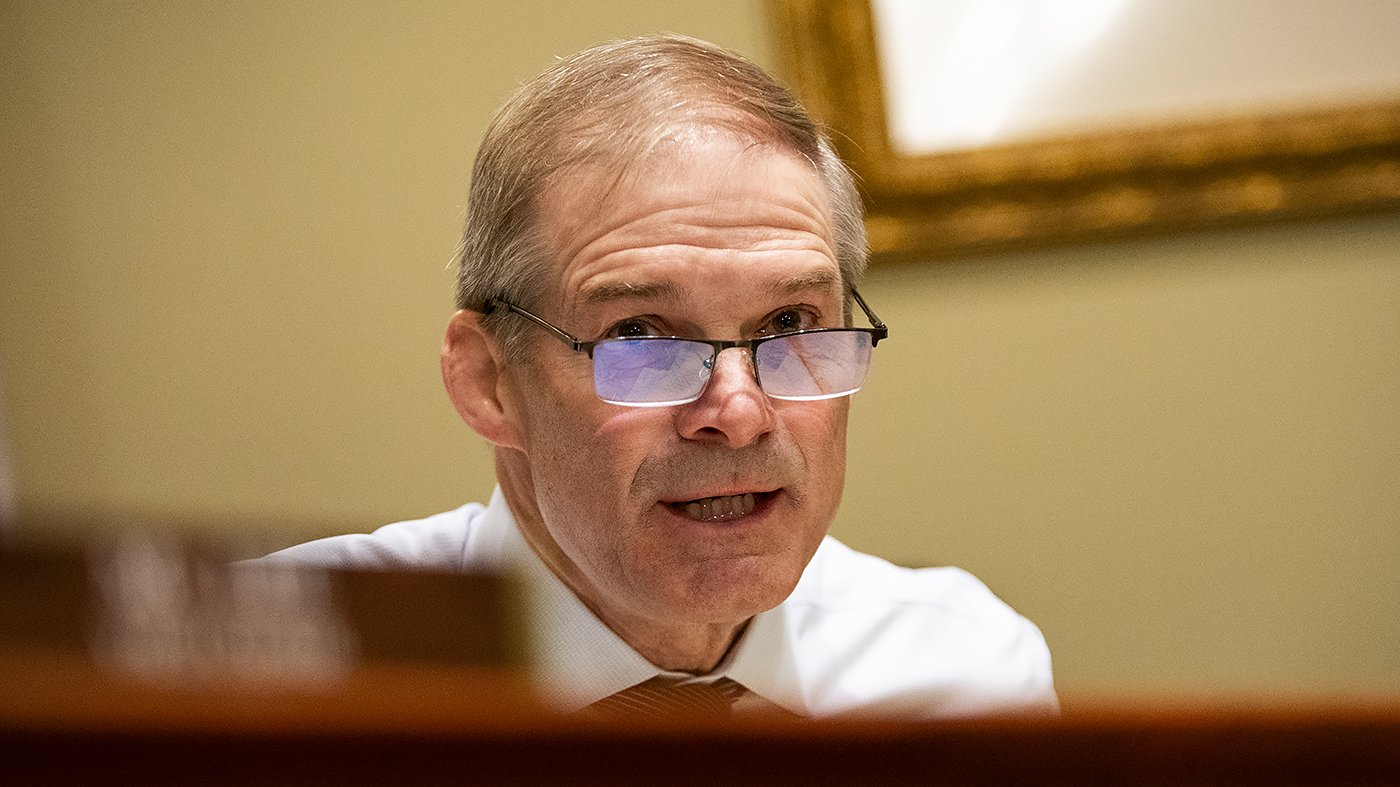
Committee Chairman Jim Jordan (R-Ohio) opened by acknowledging the league's popularity but questioned whether its business model serves constituents. “We all love football, but we’re trying to ask the question: Does it work for our constituents because we know it works for the NFL,” he said. Ranking Member Jamie Raskin (D-Md.) echoed the sentiment, calling it “fundamentally unfair” that the league reaps billions while fans are left scrambling for access.
At the center of the debate is the Sports Broadcasting Act of 1961, a pre-internet, pre-cable law that allows professional football teams to collectively license broadcast rights to national networks. Critics argue the NFL is exploiting that antitrust exemption by moving games to streaming platforms like Netflix, Amazon, and YouTube, leaving consumers to pay more for fragmented coverage. According to FCC estimates, fans who wanted to watch every NFL game last season had to shell out over $1,000 and subscribe to 10 different services.
Fox News sports pundit Clay Travis, who testified as a witness, highlighted the hypocrisy of taxpayer-funded stadiums paired with paywalled games. “The Buffalo Bills have a great new stadium opening this season, $850 million in taxpayer dollars,” Travis said. “Their very first home game is on a Thursday night on Amazon. Most of the taxpayers in New York who paid for that stadium are not able to watch, for free, their team’s home opener. That’s wrong.”
The hearing comes amid reports that the Department of Justice is considering a probe into whether the NFL is abusing its antitrust exemption. Earlier this week, the House Judiciary Committee released a report concluding that the league’s “current model of placing games behind a paywall, especially through its Sunday Ticket offering, is harming consumers by forcing them to pay for a large package of NFL games when many consumers only want to see their favorite team’s games.” Sunday Ticket costs more than $500 per season and is the subject of a long-running class action lawsuit.
NFL Commissioner Roger Goodell was invited to testify but declined, citing the ongoing litigation over Sunday Ticket. The league’s shift toward streaming is also hitting small businesses hard. Jim Hallers, owner of several sports bars in Houston, told the committee that offering every game is “not a luxury for a sports bar, it is a customer expectation.” He estimated that the transition from traditional broadcast to streaming has cost his business $30,000 to $40,000 per year.
Local broadcasters see the trend as an existential threat. Curtis LeGeyt, president of the National Association of Broadcasters, told lawmakers, “Sports fans are paying more and receiving less, meanwhile local stations are competing against global tech platforms that can subsidize their sports rights with revenue from entirely different business.” He urged Congress to clarify that the SBA only applies to deals with broadcast television, not streaming paywalls.
While few lawmakers called for outright repeal of the SBA, many signaled that growing fan frustration and the league’s popularity should spur regulatory changes. Rep. Hank Johnson (D-Ga.) summed up the cautious mood: “Nobody is advocating that the NFL should be offering games for free on every platform. Sometimes it’s if it ain’t broke don’t fix it. I don’t know what we should do … but I do know I’m looking forward to watching NFL football coming up this fall.”
The hearing underscores broader tensions in Washington over how antitrust laws apply to dominant sports leagues, a debate that also touches on issues like energy policy and agricultural spending. As the NFL continues to push deeper into streaming, the political pressure to protect consumers is likely to intensify.