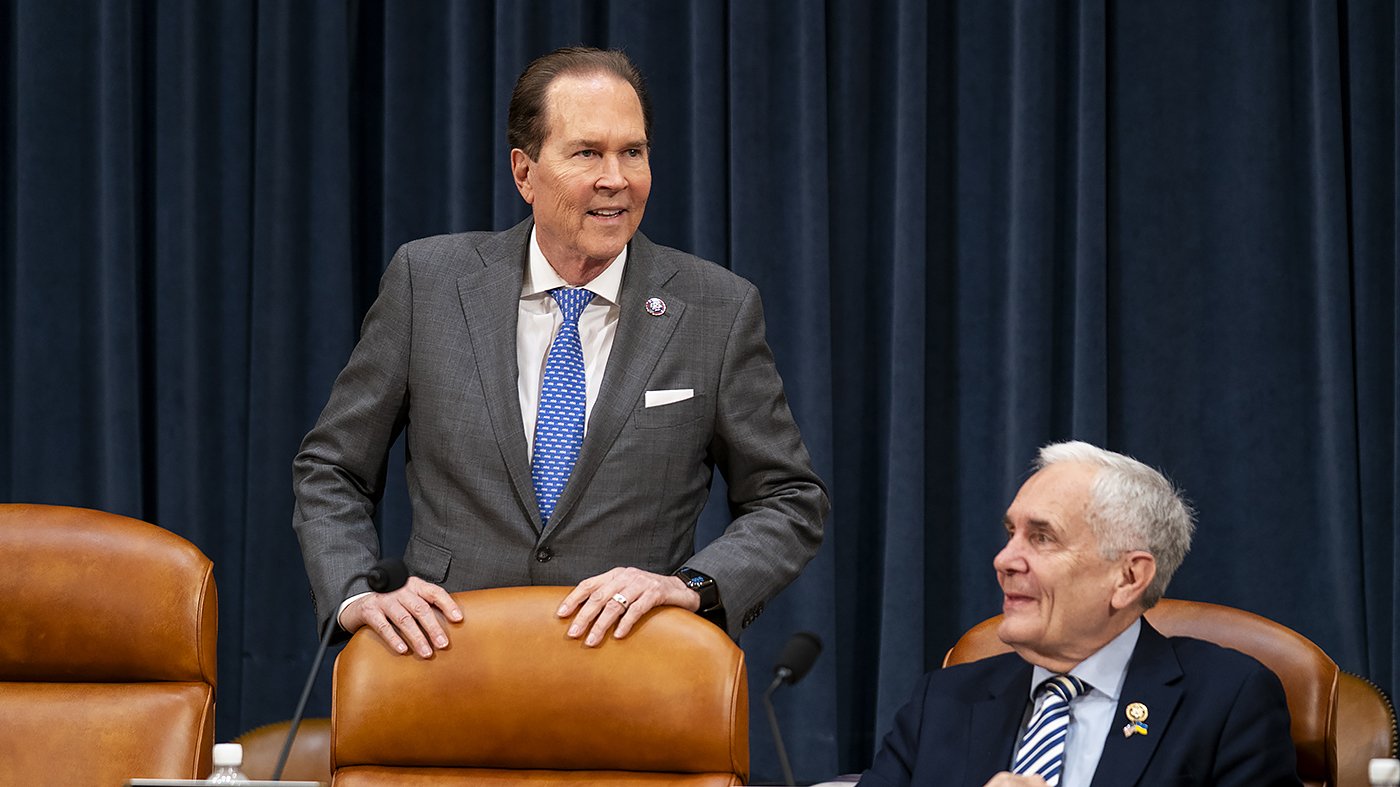
In a rare display of bipartisan agreement, Representatives Paul Tonko (D-N.Y.) and Vern Buchanan (R-Fla.) are championing legislation to overhaul how Medicare approaches Alzheimer's disease, arguing that the staggering cost of inaction compels Congress to act. Their Alzheimer's Screening and Prevention (ASAP) Act seeks to mandate coverage for newly approved blood tests that can detect the disease years before severe symptoms appear.
"Our whole health care system is backwards. We react to things instead of being proactive," Buchanan said during a policy event hosted by The Hill. He framed the issue in starkly personal and fiscal terms, noting his father lived with Alzheimer's for a decade. With over 7 million Americans currently affected, the congressman warned that the status quo is unsustainable.

The legislative push comes on the heels of FDA approval for two groundbreaking blood tests—the Lumipulse G and Elecsys tests—which can identify biomarkers linked to Alzheimer's in adults 55 and older. These tools represent a significant advance over more invasive and expensive diagnostic methods like spinal taps or PET scans.
However, a major coverage battle looms. Current Medicare rules, governed by the Social Security Act, often deny payment for services not deemed "reasonable and necessary," a high bar for novel technologies. The ASAP Act would explicitly authorize the Centers for Medicare and Medicaid Services (CMS) to cover FDA-approved blood-based screenings and establish parameters for their use, directly confronting this bureaucratic hurdle. This legislative fight mirrors other ongoing disputes over Medicare's adoption of new medical technologies.
"You have to add this to the list," Tonko argued, "because it's less invasive, and because there is hope here to have earlier detection." The lawmakers contend that early diagnosis is no longer just about planning; it is now a gateway to treatment. New anti-amyloid drugs like donanemab and lecanemab are only approved for patients in the early stages of the disease, making timely detection clinically essential.
Beyond treatment access, proponents cite a cascade of benefits from early knowledge: reduced patient anxiety, the opportunity to adopt healthier behaviors, and the ability to make informed personal, legal, and financial plans. The Alzheimer's Association's latest report underscores that detecting the disease at the stage of mild cognitive impairment offers the best chance to slow its devastating progression.
Buchanan reported strong momentum for the bill, with approximately 50 co-sponsors evenly split between both parties. "We will find a way to get the funds, one way or the other, because it's too expensive not to," he stated, framing the issue as a long-term investment against one of the nation's costliest diseases. This focus on preventative fiscal responsibility finds echoes in other cross-aisle efforts, such as the bipartisan proposals to impose a deficit cap.
The ASAP Act highlights a growing legislative trend where bipartisanship emerges on specific, data-driven health and fiscal policies, even as broader partisan divisions persist. Its fate will test whether Congress can align healthcare payment structures with rapid diagnostic advancements, setting a precedent for how the system integrates future breakthroughs.