The Trump administration's push to build border barriers in a remote Texas national park is running into fierce opposition from an unlikely coalition of environmentalists, ranchers, and local law enforcement—prompting federal authorities to adjust their approach.
Last year, it emerged that the Department of Homeland Security intended to construct over 100 miles of barriers and roads across the Big Bend region, including inside Big Bend National Park, a rugged expanse along the Rio Grande. Then-Homeland Security Secretary Kristi Noem waived environmental regulations to fast-track the work, sparking a grassroots uprising.
Susan Hays, a Democratic candidate for Presidio County commissioner, described the movement as "very organic," born from the area's unique landscape—rolling plains, grasslands, and hidden oases. "The idea of putting a wall through that area makes no sense at all," she said.
Ranchers like Yolanda Alvarado, whose family has owned land in the region for five generations, see the construction as an existential threat. "Our livelihoods are threatened at this point. Not just landowners, but business owners, and not just Big Bend National Park—it's everyone in this region," she said. "You can't walk a mile without seeing a 'no wall' poster or bumper sticker."
The resistance has crossed party lines. In March, sheriffs from five counties—both Republicans and Democrats—sent a letter opposing the wall. Outgoing Republican Senator John Cornyn has also urged federal officials to engage with local stakeholders.
The park, which drew 561,000 visitors in 2024 and generated $56.8 million in local spending, is a vital economic engine. Critics argue that its isolation—120 miles from the nearest highway, according to Terrell County Sheriff Thaddeus Cleveland—and the natural barriers of the Rio Grande's cliffs and canyons make the wall unnecessary. "There's not a piece of that portion of the border where you can actually drive a vehicle across the river," said Cleveland, a former Border Patrol agent.
In response to the backlash, CBP has modified its plans for the park, shifting from a wall to a mix of access roads, existing road improvements, detection technology, and vehicle barriers. The agency insists it is not building a 30-foot wall in the park and has temporarily halted survey and design work to meet with stakeholders.
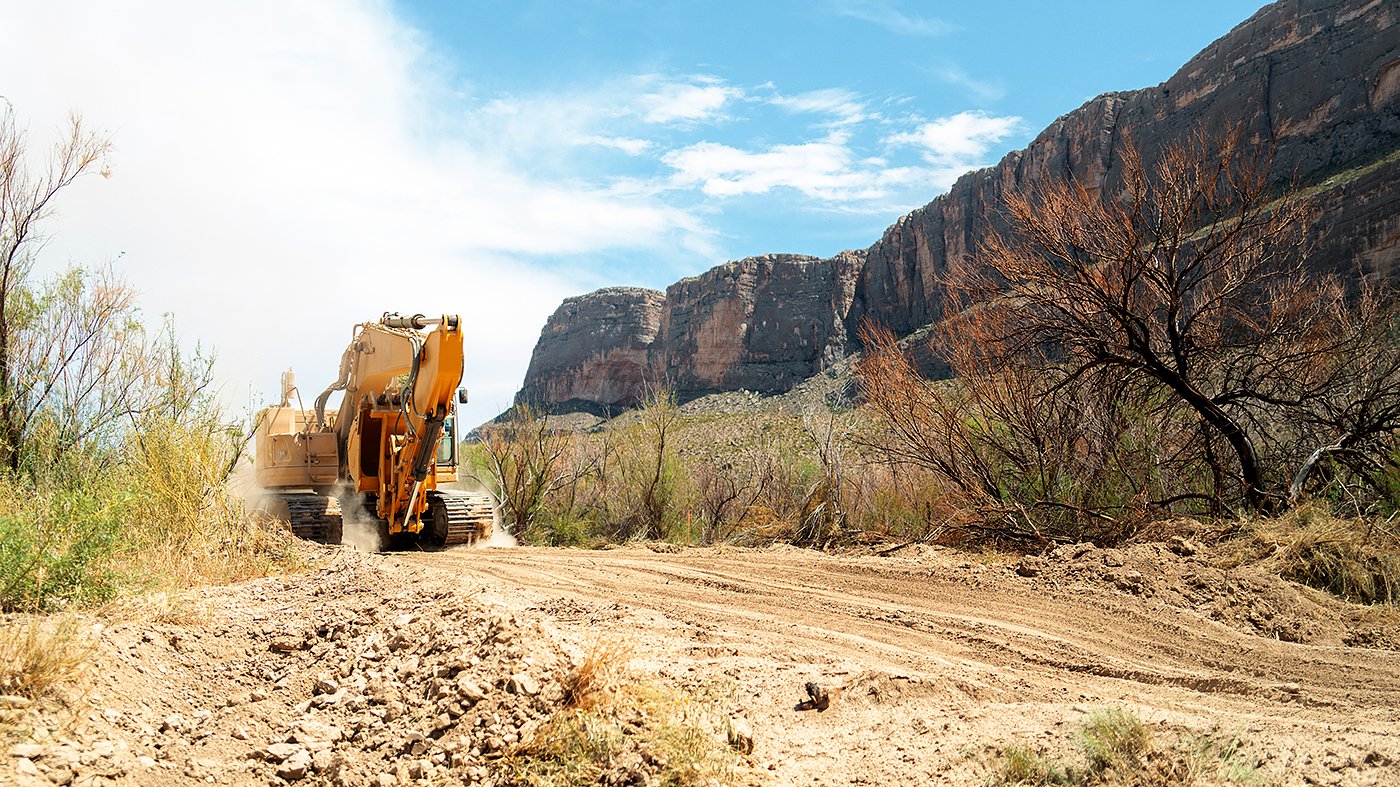
But critics remain skeptical. Laiken Jordahl of the Center for Biological Diversity says the work already done has caused lasting harm. "They've carved brand new routes into completely impassable desert," he said, noting that heavy equipment has plowed over native cacti and ocotillo, and in some places cut 10 to 12 feet into the earth.
For Alvarado, the fight is deeply personal. "We're struggling with the idea—to be cut off from our identity," she said. As the debate continues, the administration's broader push for border security, including ties with North Korea, remains a contentious issue, but here in Big Bend, the battle is about land, livelihood, and the very character of the region.