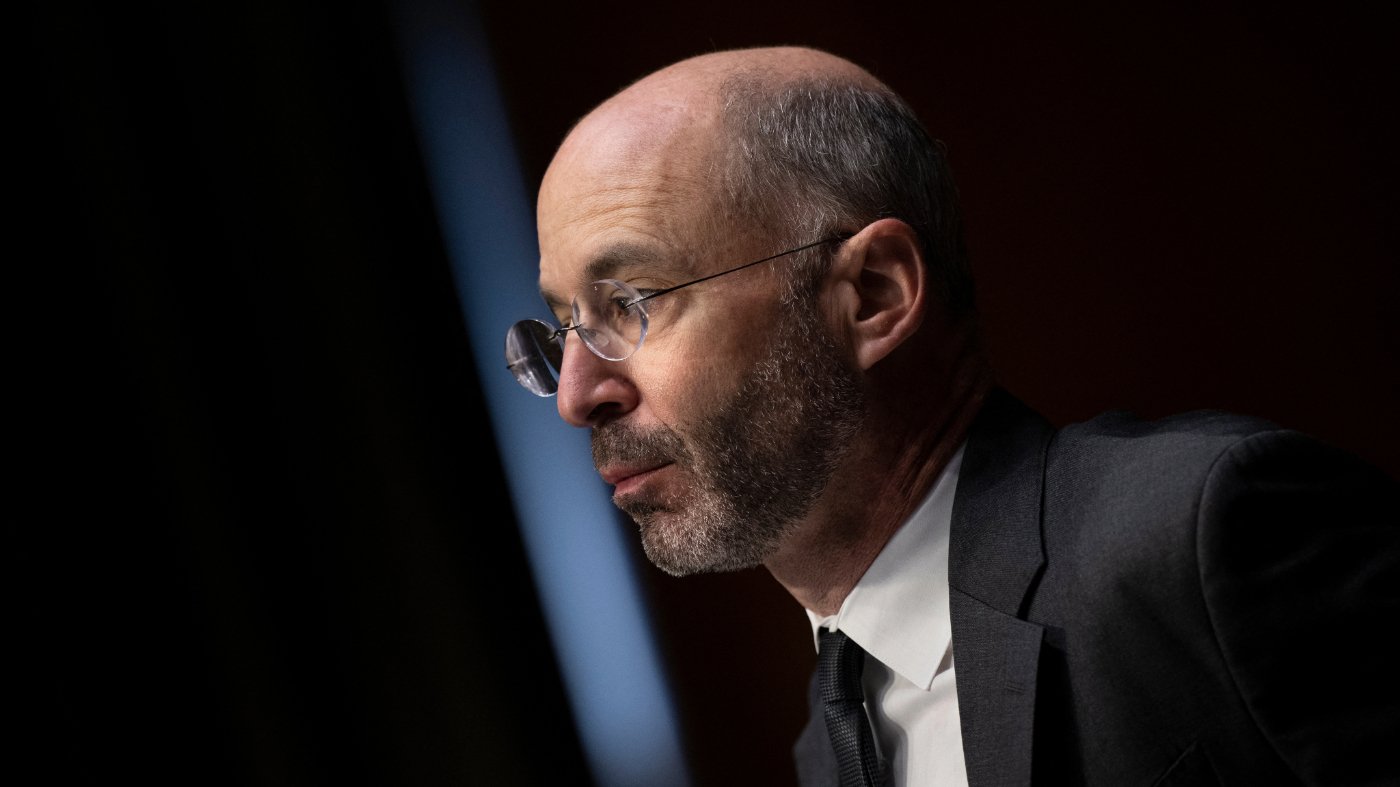
Robert Malley, the former Biden administration's special envoy for Iran, broke his silence Wednesday to endorse the Trump administration's memorandum of understanding with Tehran, calling it "far preferable to any of the alternatives on offer."
Malley, who also helped negotiate the 2015 Joint Comprehensive Plan of Action, took to social platform X to push back on comparisons between the two deals. "They are fundamentally different agreements that emerged from starkly different contexts," he wrote, urging critics to "leave that debate to hardline critics of both the 2015 deal and the current understanding."
The Trump administration released the full text of the 14-point MOU on Wednesday. The pact calls for an immediate cessation of hostilities "on all fronts," including the Israeli campaign against Hezbollah in Lebanon. Under the terms, the U.S. will lift its naval blockade of Iranian ports within 30 days, and Iran will reopen the Strait of Hormuz on the same timeline. The deal also establishes a $300 billion reconstruction fund for Iran, with the U.S. unfreezing Iranian assets and lifting sanctions on oil exports.
President Trump, speaking at the Group of Seven summit, immediately walked back the notion of a blank check. "We are not investing in that fund," he told reporters, adding that Tehran will only get access to the money "if they're doing things right." He also softened the 60-day deadline for nuclear negotiations, saying it "could take longer." The administration is expected to sign the MOU on Friday in Switzerland, and Trump has signaled he may send it to Congress for approval.
Lawmakers from both parties have slammed the deal as a surrender of leverage. Critics argue the reconstruction fund and sanctions relief reward Iranian aggression without addressing the regime's nuclear ambitions. Trump has defended the MOU as provisional, warning that renewed bombing is on the table if Tehran fails to comply.
Malley, while praising the MOU as "an important and welcome achievement" for reopening the Strait of Hormuz, also delivered a sharp critique. "The MOU is a clear and damning indictment of the war that preceded it, chiefly because its main accomplishment is to reopen a waterway that was only closed due to that war," he wrote. He warned that the toughest issues—the fate of Iran's nuclear program, the disposition of its enriched uranium, and the scope of sanctions relief—have been punted to later negotiations. "They almost certainly will be left for later, and will almost certainly be harder to resolve than prior to the war."
The administration's push for a quick deal has drawn fire from former Trump officials as well. Former chief of staff John Kelly warned the pact strengthens Tehran and risks a nuclear breakout. Meanwhile, Trump's softening of the 60-day deadline has fueled uncertainty on Capitol Hill, where bipartisan frustration is mounting.
As the signing ceremony approaches, the MOU remains a lightning rod. Supporters see a pragmatic end to a costly war; detractors see a dangerous appeasement. Malley's reluctant endorsement underscores the narrow path the administration has chosen—and the treacherous road still ahead.