Recount Confirms Defeat for Longtime Senate Leader
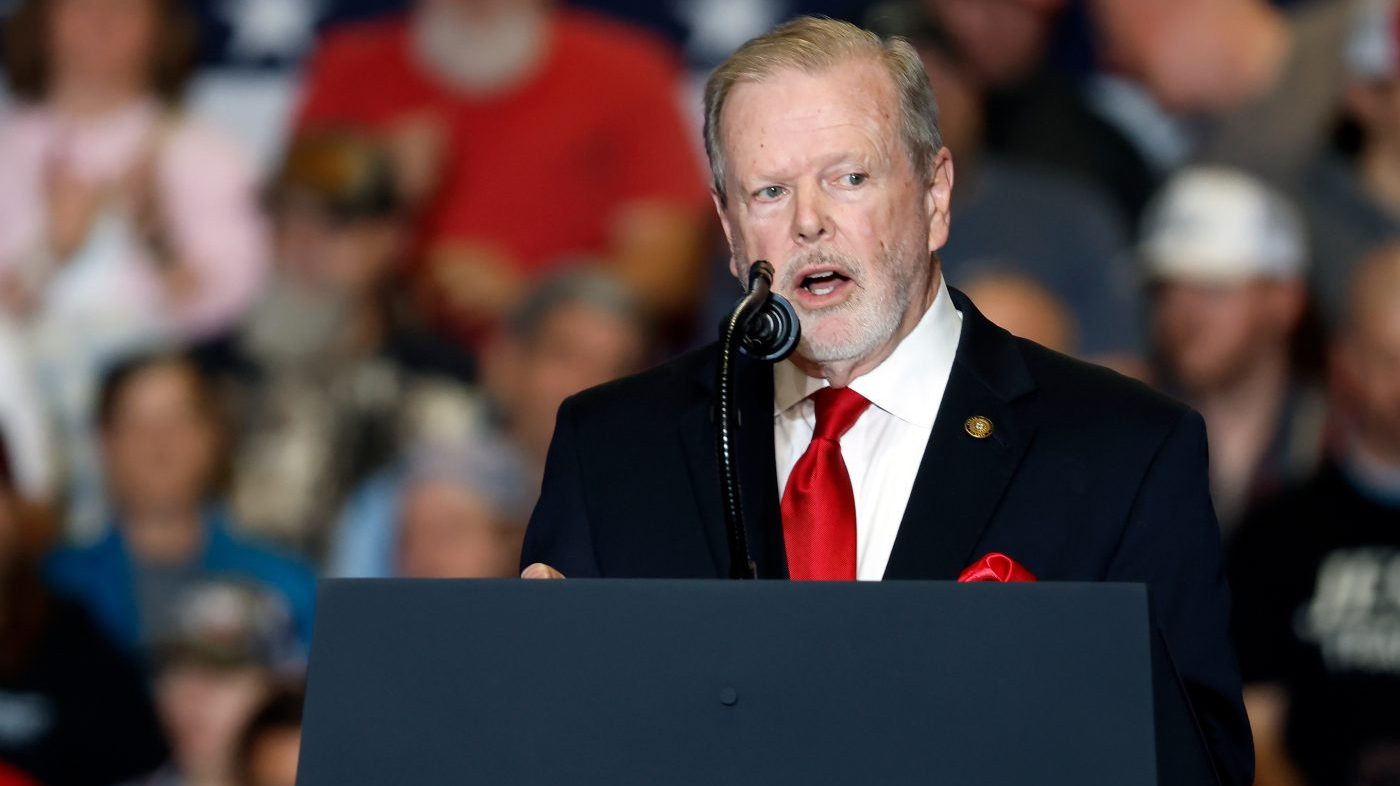
North Carolina Senate Leader Phil Berger formally conceded his Republican primary race Tuesday after a recount verified his narrow defeat by Rockingham County Sheriff Sam Page. The final margin stood at just 23 votes out of approximately 26,000 cast in the contest for Senate District 26, according to election data.
The outcome concludes Berger's tenure as one of the state's most powerful Republican figures, having led the Senate GOP caucus for more than a decade. His concession followed a machine recount and a subsequent hand tally of sample precincts, both of which affirmed the initial results that showed Page ahead.
A Concession and a Pledge
"While this was a close race, the voters have spoken, and I congratulate Sheriff Page on his victory," Berger stated. He added, "Looking ahead, I remain committed to working with my colleagues in the short session to ensure North Carolina continues to be the best state in the nation in which to live, work, raise a family, and retire."
Berger also pledged to support Republican Senate candidates in the coming months, emphasizing the goal of protecting the party's supermajority. Republicans currently hold 30 of the chamber's 50 seats.
Political Endorsements and Reactions
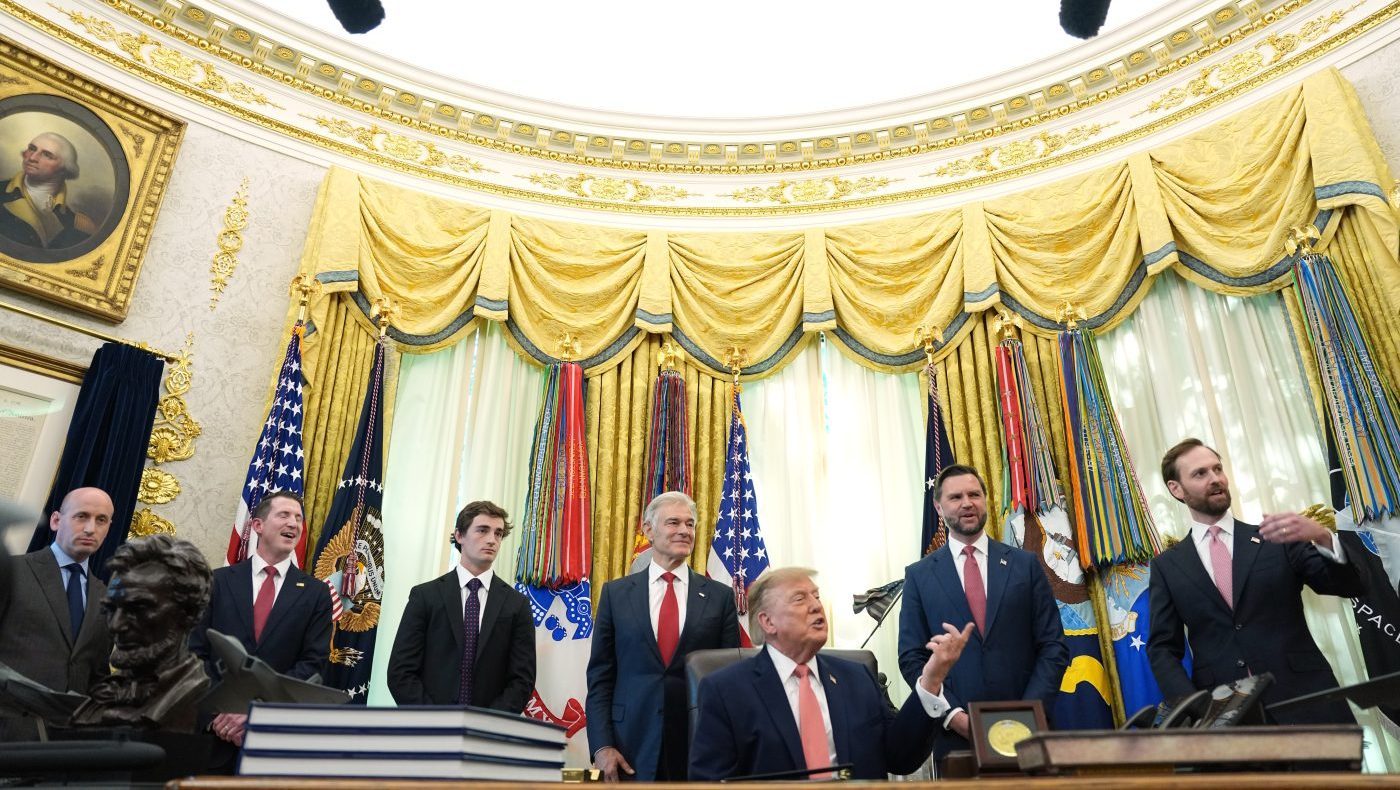
The race drew national attention, with former President Donald Trump having endorsed Berger. Last December, Trump publicly urged Page to "come work for us in Washington, D.C." instead of challenging the incumbent. Page declined and ultimately prevailed.
Democratic Governor Josh Stein acknowledged the result, stating, "I thank our election officials for ensuring that all votes were counted and that the people's voice was heard. I congratulate Sheriff Page on his victory and commend Senator Berger for his service." Stein added, "While we didn't always see eye to eye on the issues of the day, I appreciate Senator Berger's deep love for North Carolina."
Page confirmed he received a concession call from Berger. He thanked the senator for his service and immediately shifted focus to the November general election, according to a statement reported by local media.
Broader Political Context
The upset occurs as state Republican parties nationwide navigate internal dynamics between established leadership and challengers. Berger's defeat removes a key architect of North Carolina's conservative policy agenda over the past decade.
The loss of such a senior figure could influence legislative strategy, particularly on issues like budget appropriations and state-level healthcare regulations post-Dobbs. It also highlights how local law enforcement figures continue to gain political traction within the GOP base.
With the primary settled, Republicans will aim to maintain unity to defend their legislative control in a state that remains a critical national battleground. The outcome underscores that even the most entrenched incumbents are vulnerable in hyper-localized contests decided by razor-thin margins.