Beijing on Friday forcefully rejected President Trump's accusation that China interfered in the 2020 presidential election, labeling the allegation as 'entirely fabricated' and 'groundless.' Speaking at a routine press briefing, Chinese Foreign Ministry spokesperson Lin Jian insisted his country has no interest in meddling with U.S. elections and has never done so.
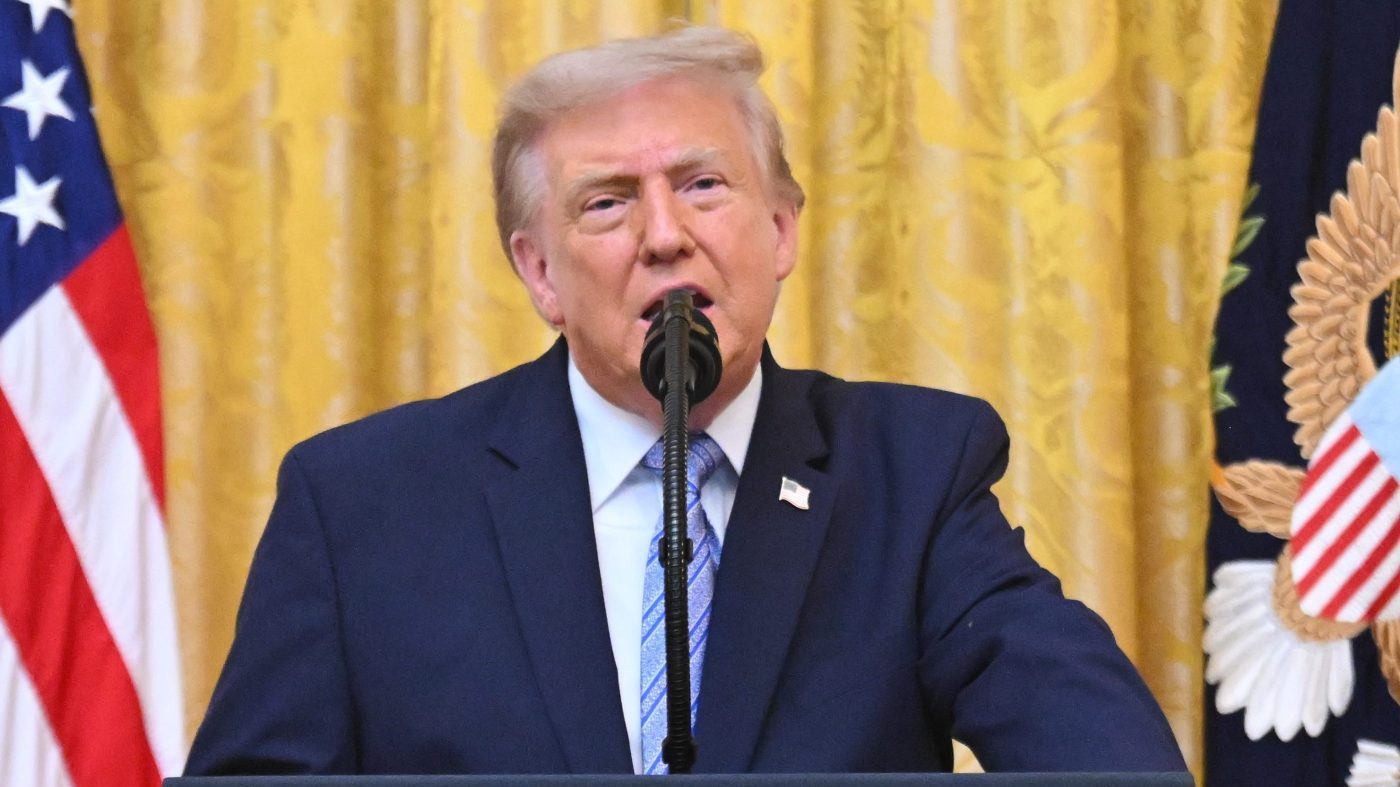
Lin's remarks came a day after Trump delivered a primetime address, during which he accused Beijing of infiltrating voter rolls in the 2020 contest—an election he lost to former President Joe Biden. The president also announced he would declassify and release intelligence documents he claimed would expose 'shocking vulnerabilities' in U.S. election infrastructure.
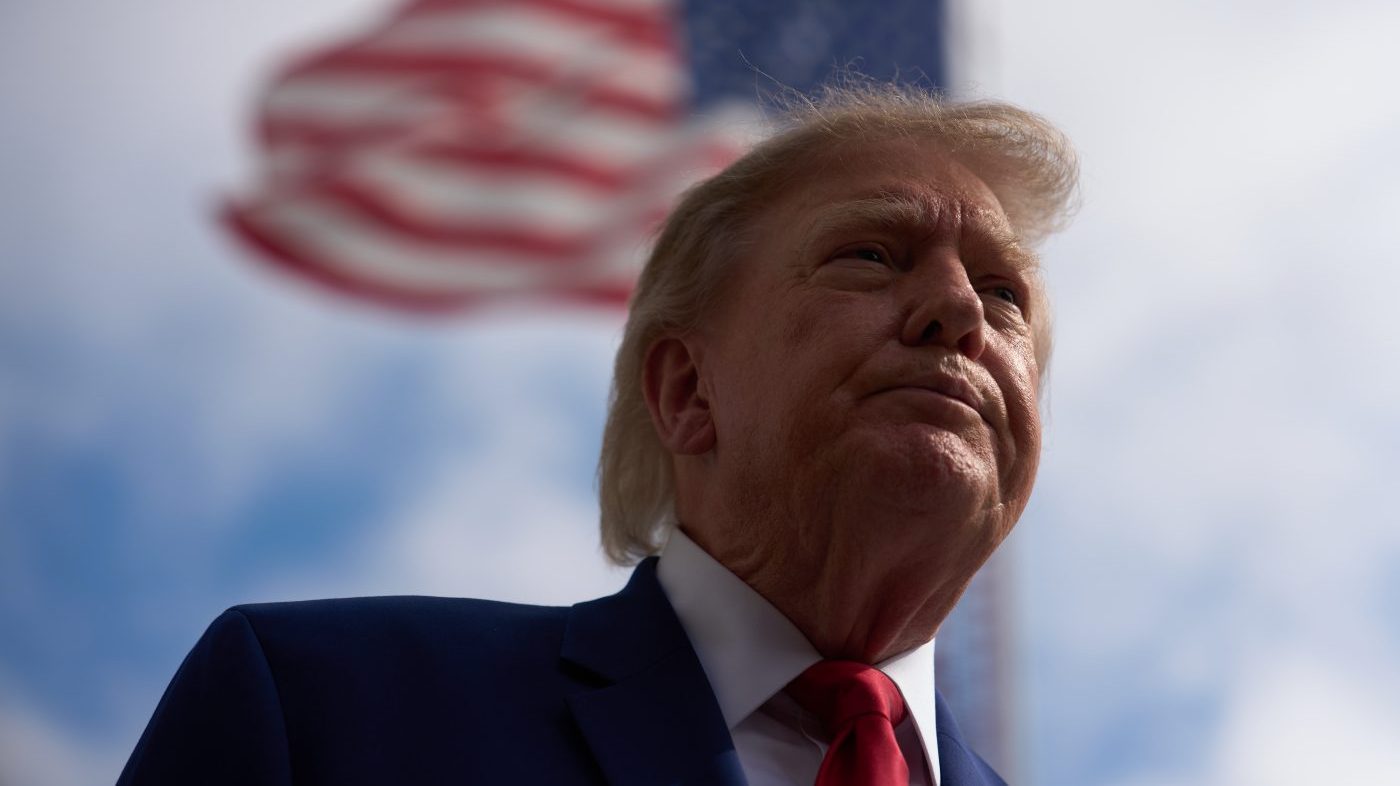
'The relevant allegations by the U.S. are entirely fabricated and aimed at vilifying China,' Lin said. 'We have no interest in interfering in US elections and have never done so.' He added that the global community is well aware of which nations routinely interfere in other countries' internal affairs.
The documents Trump released on the White House website, posted under a section titled 'Election Integrity,' appeared largely unsubstantiated. They did not provide the conclusive evidence the president had suggested, according to initial reviews. This gap between Trump's claims and the actual files has drawn criticism, with Democrats blasting the renewed election fraud allegations as baseless.
When pressed on whether the accusation could complicate Chinese President Xi Jinping's planned visit to the United States in September, Lin called on Trump to remove China from the election interference narrative to foster better relations. 'We urge the U.S. to stop making an issue of China in its elections and do something conducive to China-U.S. relations,' the spokesperson said.
The White House did not immediately respond to a request for comment on China's denial. The president's primetime address also touched on broader election security concerns, but critics noted that his push for the Save America Act—a bill aimed at overhauling election procedures—has struggled to gain traction. Trump's primetime push for the Save America Act fell flat on evidence, as analysts pointed to a lack of concrete proof to back his claims.
Trump's allegations come amid ongoing tensions between Washington and Beijing over trade, technology, and human rights. The president has frequently accused China of unfair practices, but this latest charge marks a direct escalation in the rhetoric around election security. Trump declassified documents alleging China meddled in 2020, but Democrats pushed back, arguing the release was a political stunt.
As the 2024 campaign season heats up, election integrity remains a flashpoint. Trump's renewed focus on 2020 claims has caused unease within his own party, with some GOP lawmakers wary of revisiting a issue that failed to sway voters in the past. GOP unease grew as Trump prepared for his primetime address, reflecting internal divisions over strategy.
Lin's statement underscores China's consistent position: that it views such accusations as attempts to deflect attention from America's own political problems. Whether this latest exchange will derail diplomatic efforts remains to be seen, but Beijing has made clear it expects Washington to de-escalate the rhetoric.