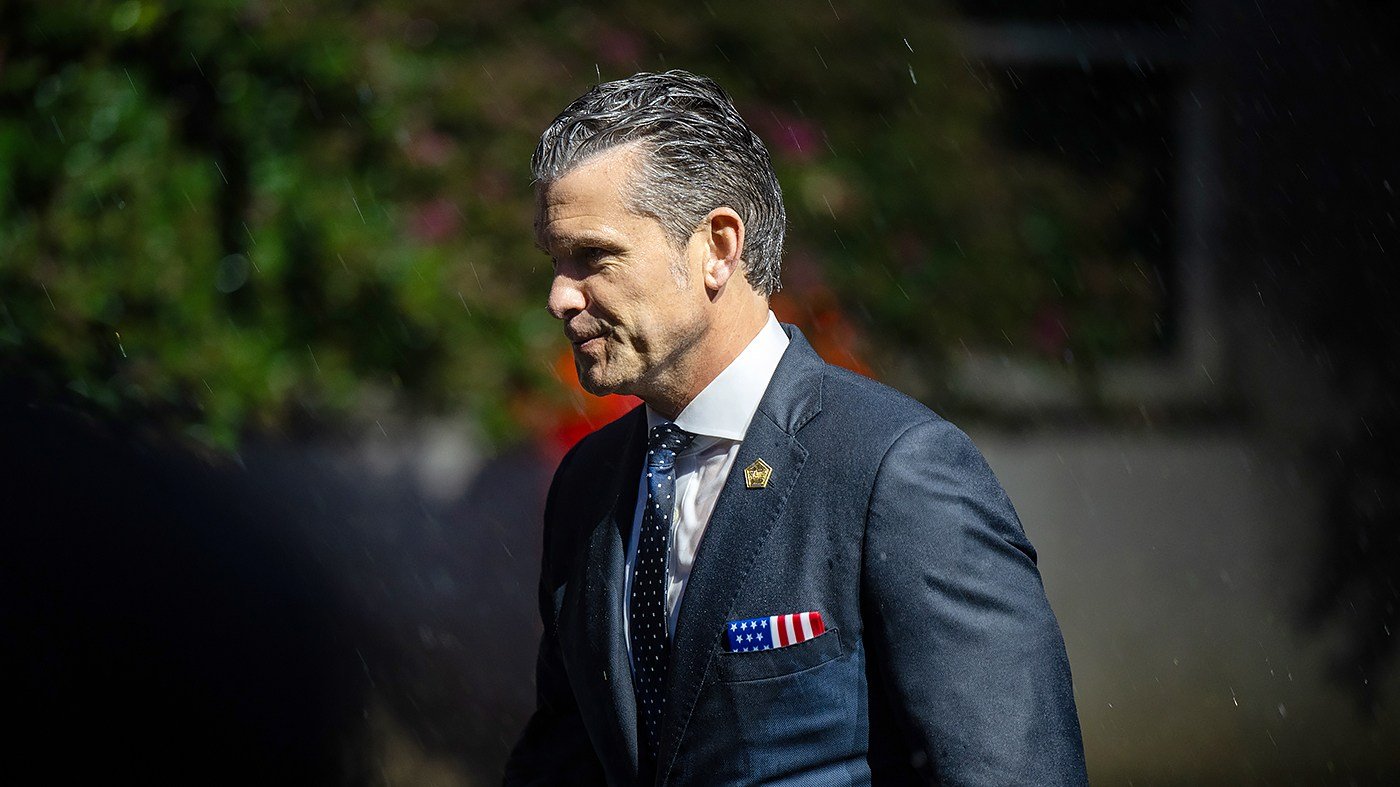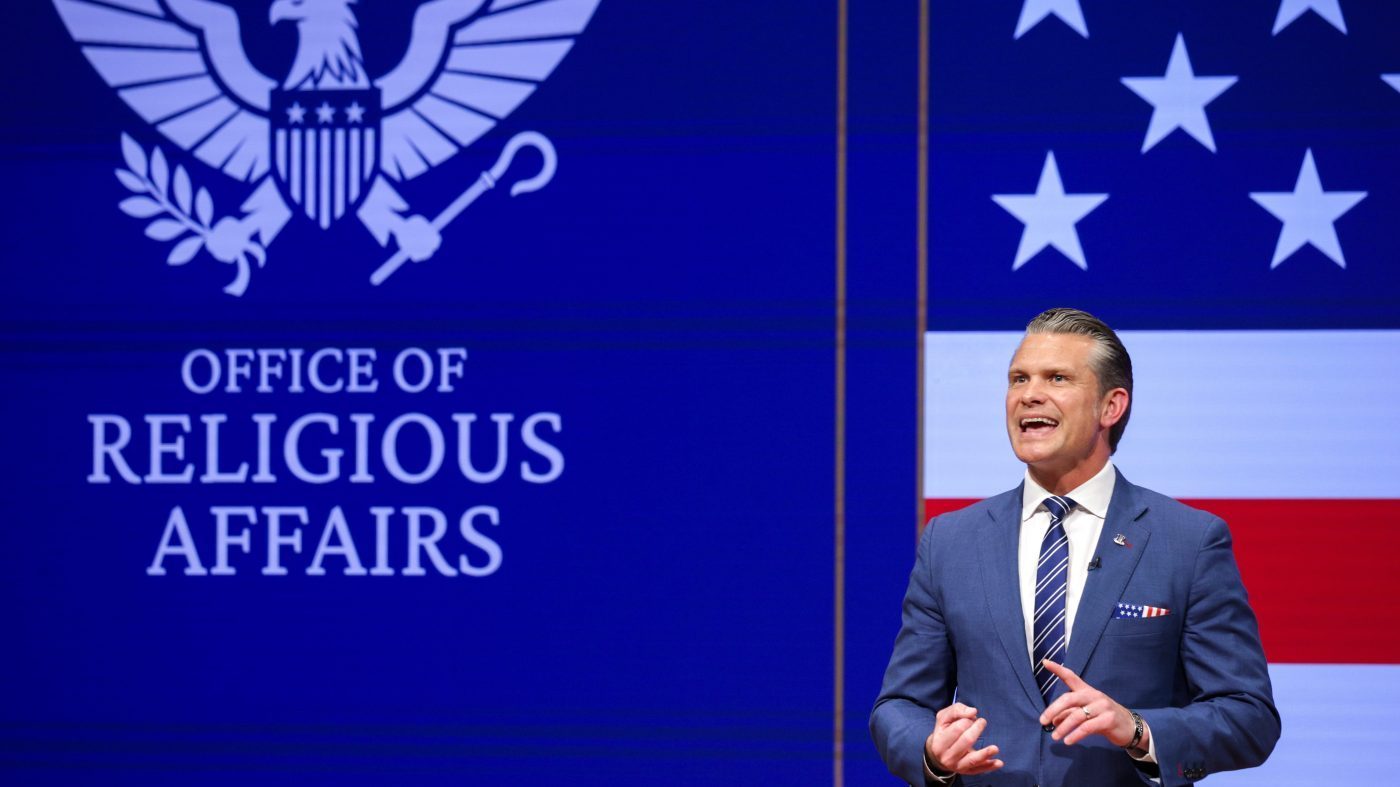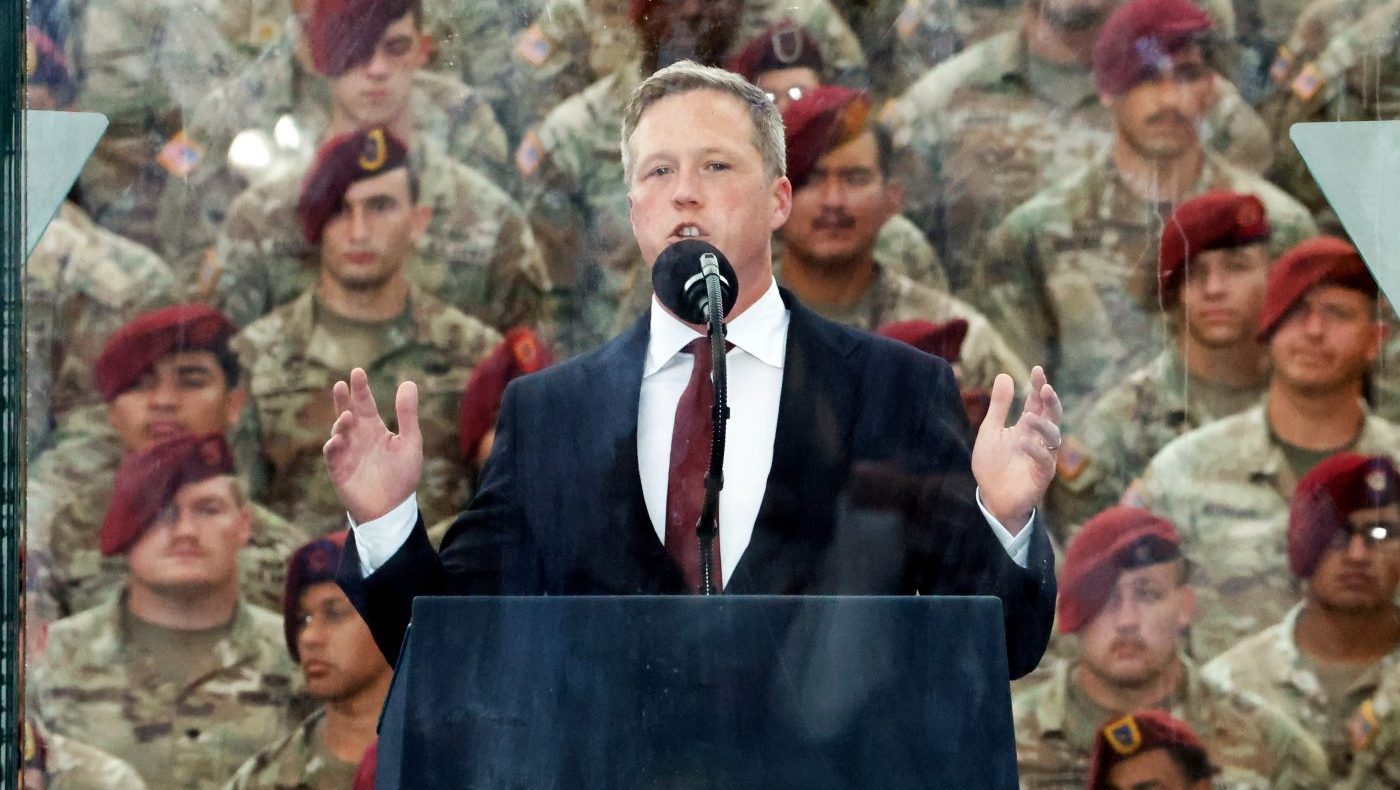
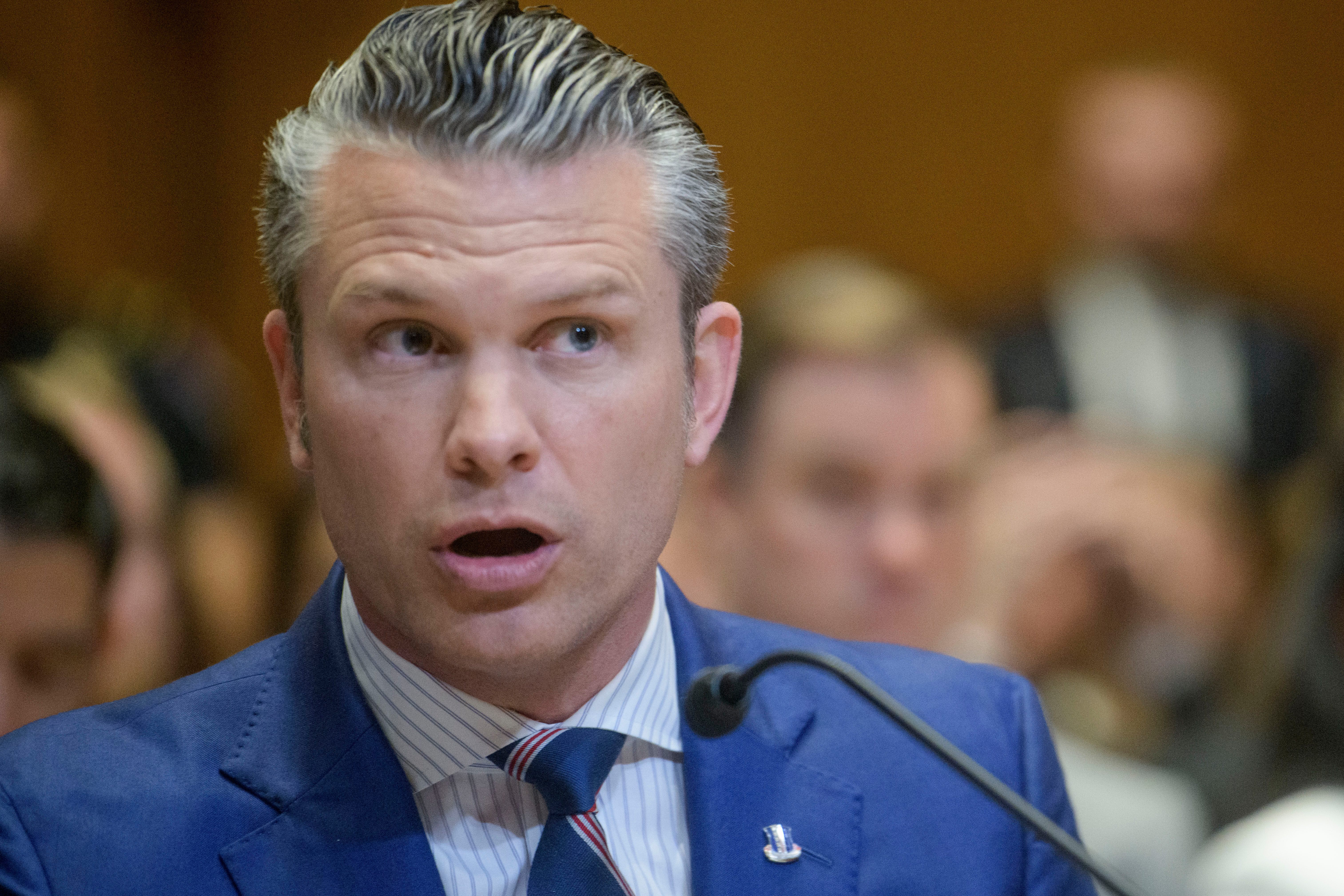
Army Secretary Dan Driscoll is preparing to step down from his Pentagon post around the end of 2026, according to two sources familiar with the matter, capping a tenure marked by an ongoing turf war with Defense Secretary Pete Hegseth.
A former White House official and another individual with knowledge of the discussions told The Hill on Friday that Driscoll has signaled his intention to leave after roughly two years in the role. A third source noted that Driscoll has long maintained that 23 to 24 months is the typical lifespan for an Army secretary under the Trump administration.
Driscoll, an ally of Vice President Vance, was confirmed by the Senate on Feb. 25 last year with a 66-28 vote. His spokesperson declined to comment on the reported exit timeline.
During his tenure, Driscoll has pushed the Army to improve living conditions for service members, modernize equipment, and incorporate lessons from Ukraine on using commercial technology in modern warfare. One source said Driscoll has been "aggressive" in securing buy-in from general officers to drive these initiatives, given his limited time in office.
A former venture capitalist, Driscoll developed a close working relationship with Gen. Randy George, the Army's former chief of staff, who was dismissed by Hegseth in early April. President Trump and Hegseth then selected Gen. Christopher LaNeve, the Army vice chief of staff, to serve as acting chief of staff. LaNeve, a former military aide to Hegseth, has been meeting with senators, but his confirmation faces bipartisan objections.
The friction between Driscoll and Hegseth intensified late last year when Trump chose Driscoll to negotiate with Ukrainian officials in hopes of ending the Russia-Ukraine war, as The Hill previously reported. This move appeared to bypass Hegseth's authority, fueling the ongoing power struggle.
Last year, Driscoll and George rolled out the Army Transformation Initiative, aimed at "deliver critical warfighting capabilities, optimize our force structure and eliminate waste and obsolete programs." The initiative focused on integrating drones and artificial intelligence into Army formations.
Driscoll's expected departure was first reported by The Wall Street Journal. The news comes as the Army plans to phase out a unit that was studying and incorporating lessons from overseas conflicts, including the use of unmanned systems in the Russia-Ukraine war. That battalion, part of the 173rd Airborne Brigade, was backed by senior Army leadership, including George and Gen. Chris Donahue, the former commander of U.S. Army Europe and Africa.
The timing of Driscoll's exit could have broader implications for Army modernization efforts and the ongoing tensions over troop welfare and strategic priorities. His departure would also come amid heightened scrutiny of Hegseth's leadership, including questions from Senate Democrats about his handling of military media and deployment transparency.