The Army is revisiting plans to impose minimum academic requirements for college students entering the Reserve Officers' Training Corps (ROTC), but the effort has already triggered internal friction and a high-profile reversal.
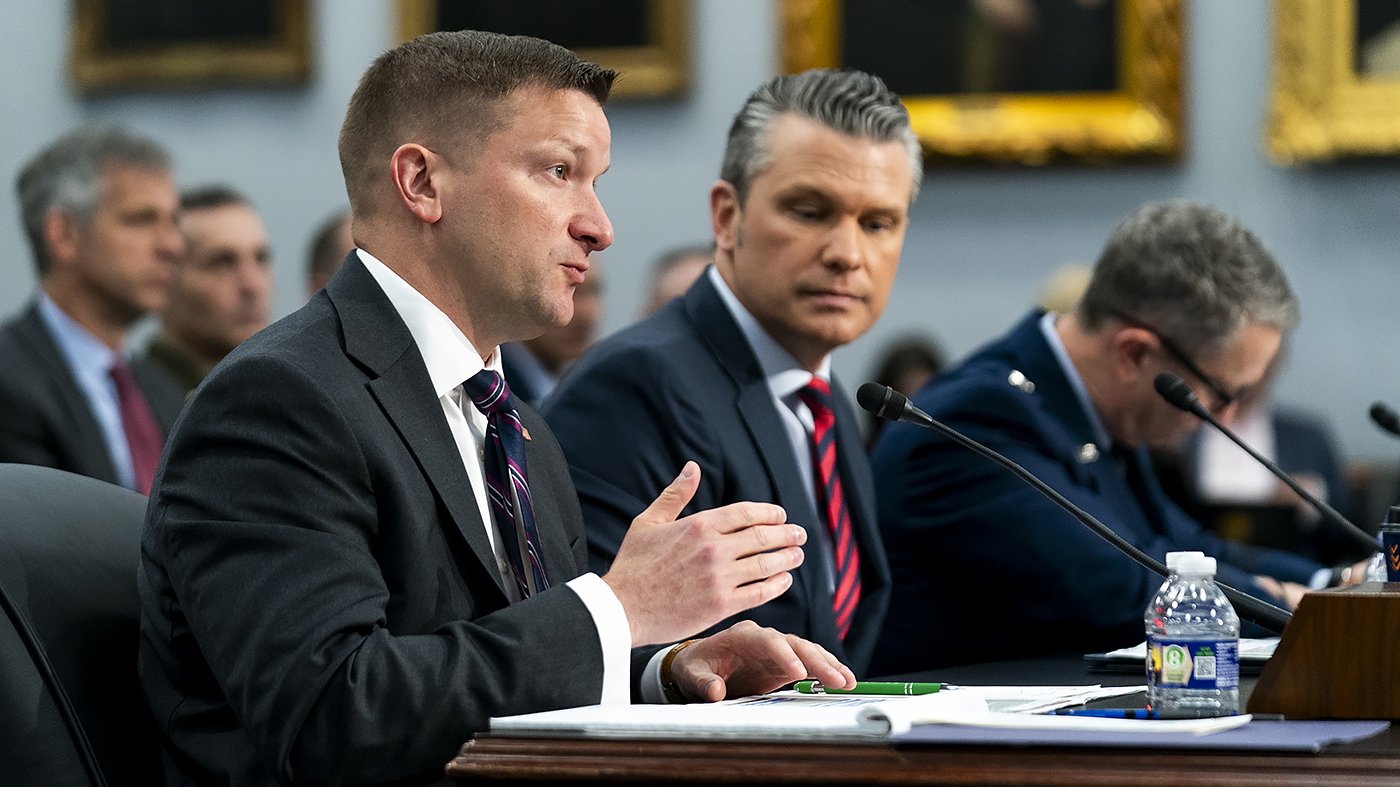
Earlier this month, the service issued a directive that would have required incoming ROTC cadets to meet one of three standardized test thresholds: a 20 on the ACT, a 1000 on the SAT, or scoring in the 50th percentile on the Armed Services Vocational Aptitude Battery (ASVAB). The memo, signed by Jules “Jay” Hurst III, then assistant secretary of the Army for manpower and reserve affairs, argued that “the Army must cultivate intelligent and adaptive officers to build a lethal and ready Army prepared to deter, fight, and win our nation's wars.”
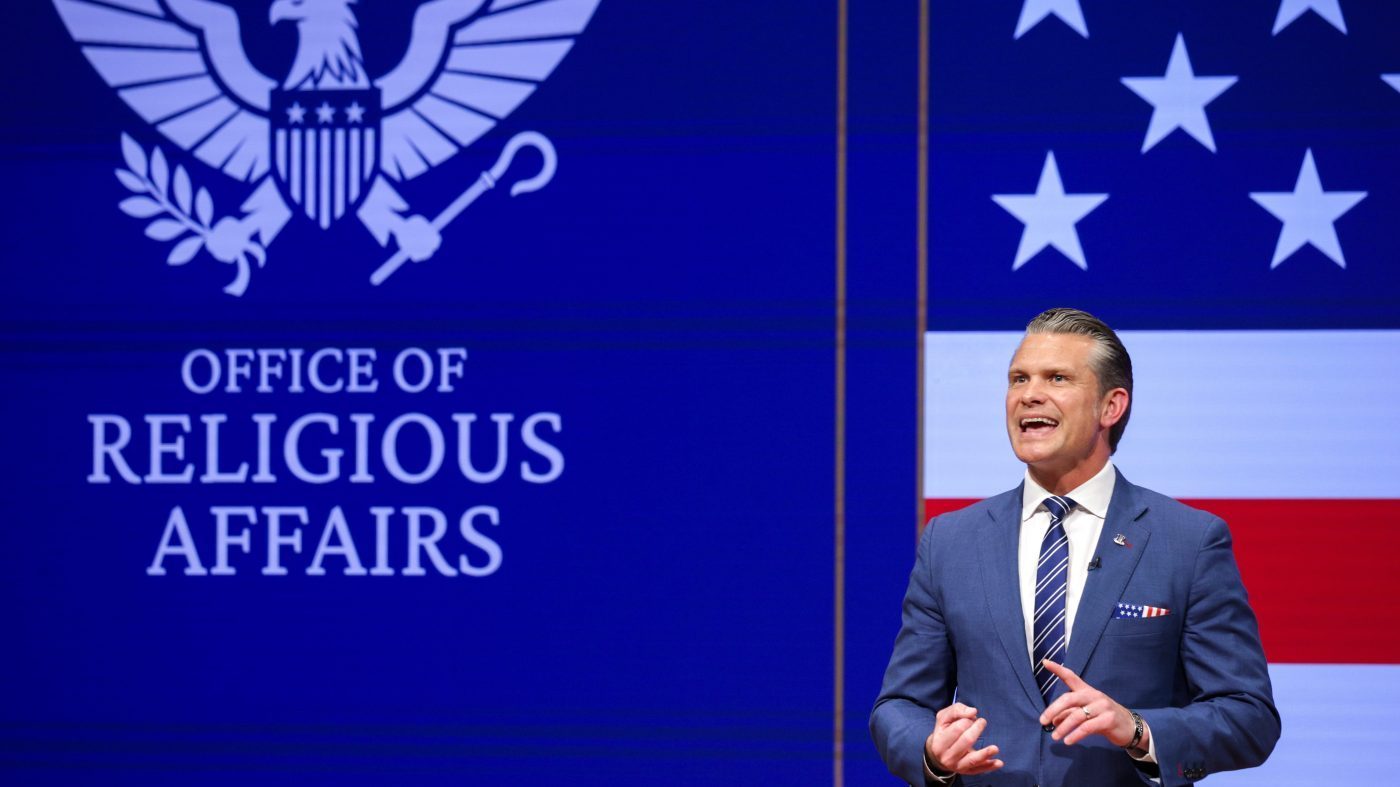
Hurst, who was confirmed as Pentagon comptroller days after signing the document, noted that while enlisted soldiers must achieve a 110 on ASVAB line scores to attend Officer Candidate School, no equivalent standard existed for ROTC cadets. The new rules were slated to take effect in January 2026, with all contracting cadets required to meet the benchmarks or provide proof of equivalent SAT/ACT scores. Current cadets would have been exempt, and the standards would have been reviewed annually.
However, the memo was rescinded on August 12, with Under Secretary of the Army Mike Obadal citing the need for “further staffing and analysis.” The reversal came after concerns that senior leaders, including Secretary of the Army Dan Driscoll and Acting Chief of Staff General Christopher LaNeve, were not consulted before the directive was released. Two U.S. officials familiar with the deliberations said some leaders felt the proposed standards were not stringent enough, with one noting, “Part of the discussion was if the standards were high enough.”
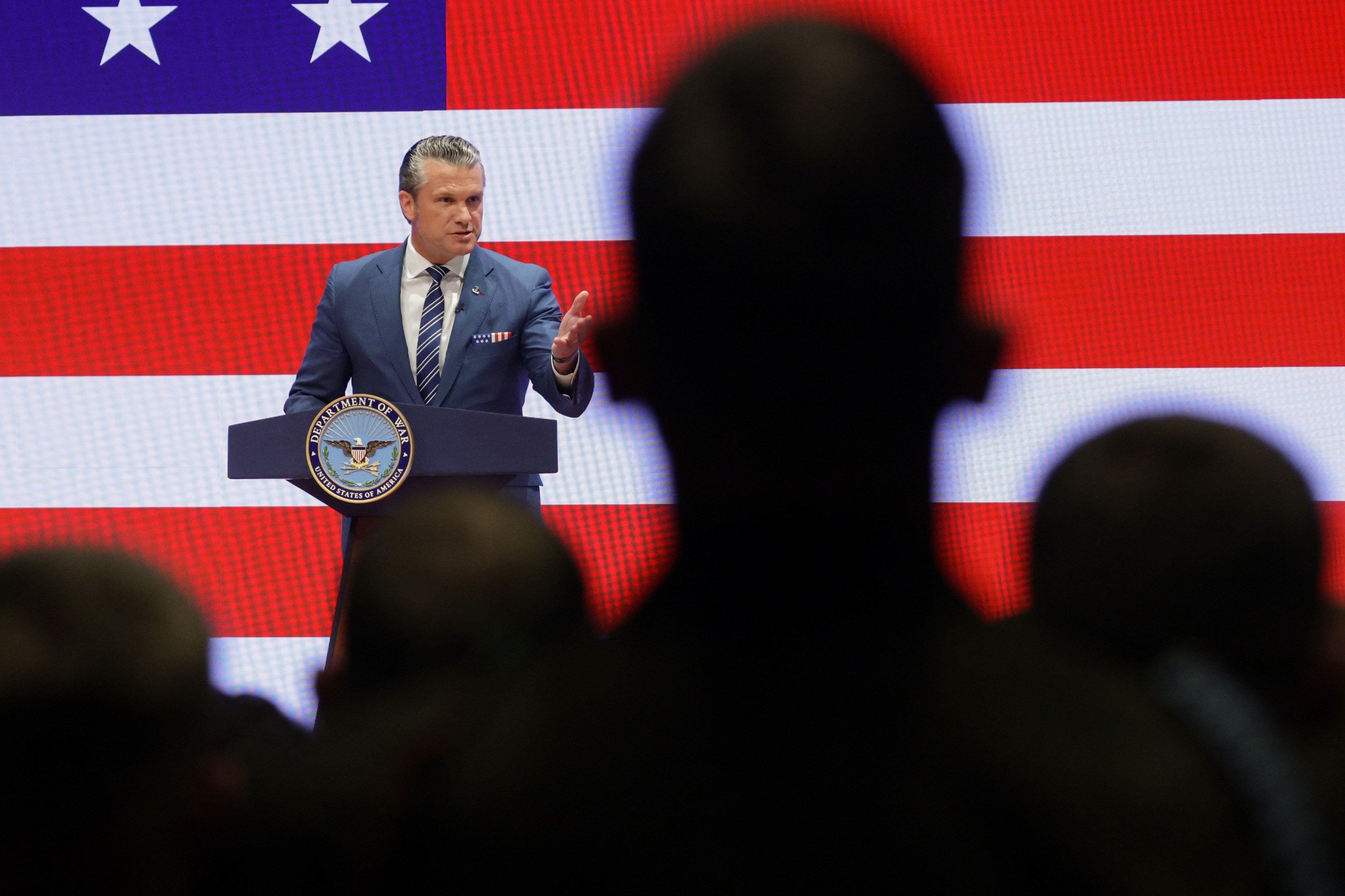
Defense Secretary Pete Hegseth was reportedly angered by the rescission, according to the New York Post, though his office referred questions to the Army. The episode has fueled private complaints among defense officials who see it as inconsistent with Hegseth's broader push to elevate standards for military officers, including fitness and grooming requirements.
An Army spokesperson emphasized that the service remains aligned with Hegseth and the President on readiness, stating: “The Army is in lock-step with Secretary Hegseth and the President's direction regarding military standards and readiness. The Army is evaluating proposed changes to ROTC cadet standards for review by appropriate senior leaders and approval by the Secretary of the Army and the Acting Chief of Staff.”
Will Thibeau, an Army veteran and director of the American Military Project at the Claremont Institute, called the initial proposal “a really positive sign,” noting that the benchmarks were “below national averages” and that he expects the Army to refine the policy after further review. But critics question whether standardized tests like the SAT are reliable predictors of officer performance. A former senior defense official argued that “the SAT has not historically been a measure that is predeterminative of officer performance” and could exclude candidates who would benefit from Army training.
The Army's internal debate over academic standards comes as the service faces broader challenges in recruiting and retaining talent. Some see the memo's rapid withdrawal as evidence of disarray, while others view it as a necessary step to ensure leadership buy-in. The outcome will likely shape how the Army balances academic metrics with other qualities it seeks in future officers.