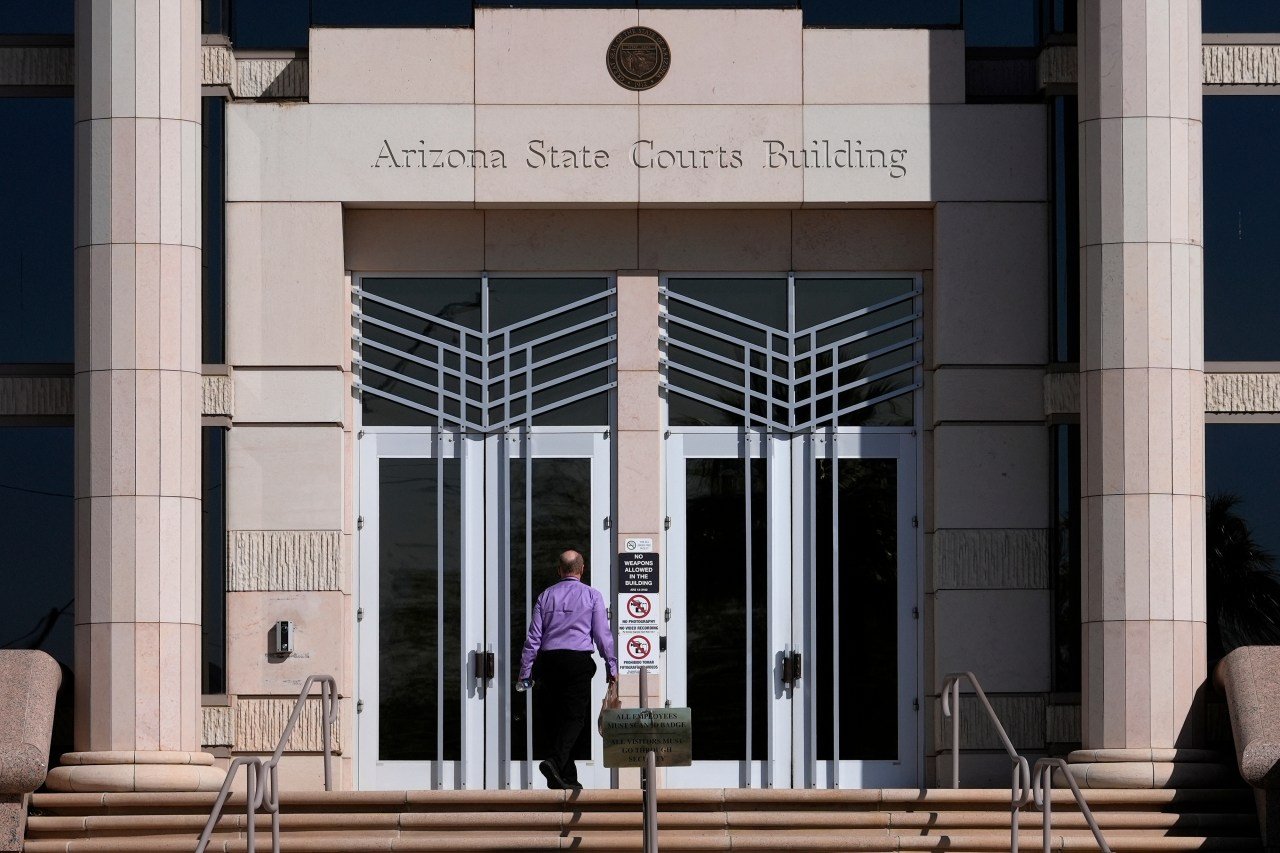
The Arizona Supreme Court disclosed that a cyberattack on the state's court system compromised personal information of over one million individuals. The breach, which officials believe originated from a court employee clicking a malicious link in a phishing email, has raised concerns about data security in the judicial branch.
The court stated that the attackers copied data belonging to 1.3 million people with unpaid court fees, fines, and restitution payments for traffic and criminal violations, some dating back three decades. Additionally, the breach exposed records of nearly 30,000 active and inactive orders of protection, as well as 150,000 reports from a foster care board that advises on cases involving alleged parental unfitness.

Technology staff detected the intrusion on September 24 and shut down the affected backup server within two hours. Since then, the court has been notifying impacted individuals. Alberto Rodriguez, spokesperson for the Arizona Supreme Court, said on Tuesday that there is no evidence the stolen data has been used or shared. The investigation is ongoing, but Rodriguez confirmed that no court cases have been delayed or affected.
Officials emphasized that no records were altered or deleted, and the attackers did not access information about jurors, witnesses, or court employees. The breach underscores the growing threat of cyberattacks on government institutions, a concern that has also reached the highest levels of the judiciary, as seen in recent Supreme Court deliberations on related legal issues.
The incident highlights the vulnerability of state court systems, which handle sensitive personal and financial data. Similar attacks have prompted courts nationwide to bolster their cybersecurity measures. In Arizona, the breach has sparked calls for increased funding and training to prevent future incidents.
The court has set up a dedicated website and hotline for affected individuals to check if their information was compromised and to learn about credit monitoring services. Rodriguez urged residents to remain vigilant against potential identity theft.
This cyberattack is part of a broader pattern of malicious activities targeting public institutions, from court-related legal battles to international crises like the UNICEF report on El Niño's impact on children. As cyber threats evolve, state and federal agencies are grappling with how to protect sensitive data without impeding public access to justice.
The Arizona breach serves as a stark reminder of the importance of cybersecurity in the judicial system, and officials are working to ensure that such an incident does not recur. The court has promised to provide updates as the investigation proceeds.