A federal appeals court on Sunday temporarily blocked a lower court's ruling that would have immediately reinstated Roger Rogoff as the top federal prosecutor in Seattle, extending the legal fight over his dismissal.
Rogoff, who was appointed by federal judges to serve as U.S. attorney for the Western District of Washington, was fired by President Trump in July just minutes after being sworn in. The abrupt removal came despite his unanimous selection by a panel of district judges, a process outlined in federal law for filling vacancies when the president has not nominated a permanent successor.
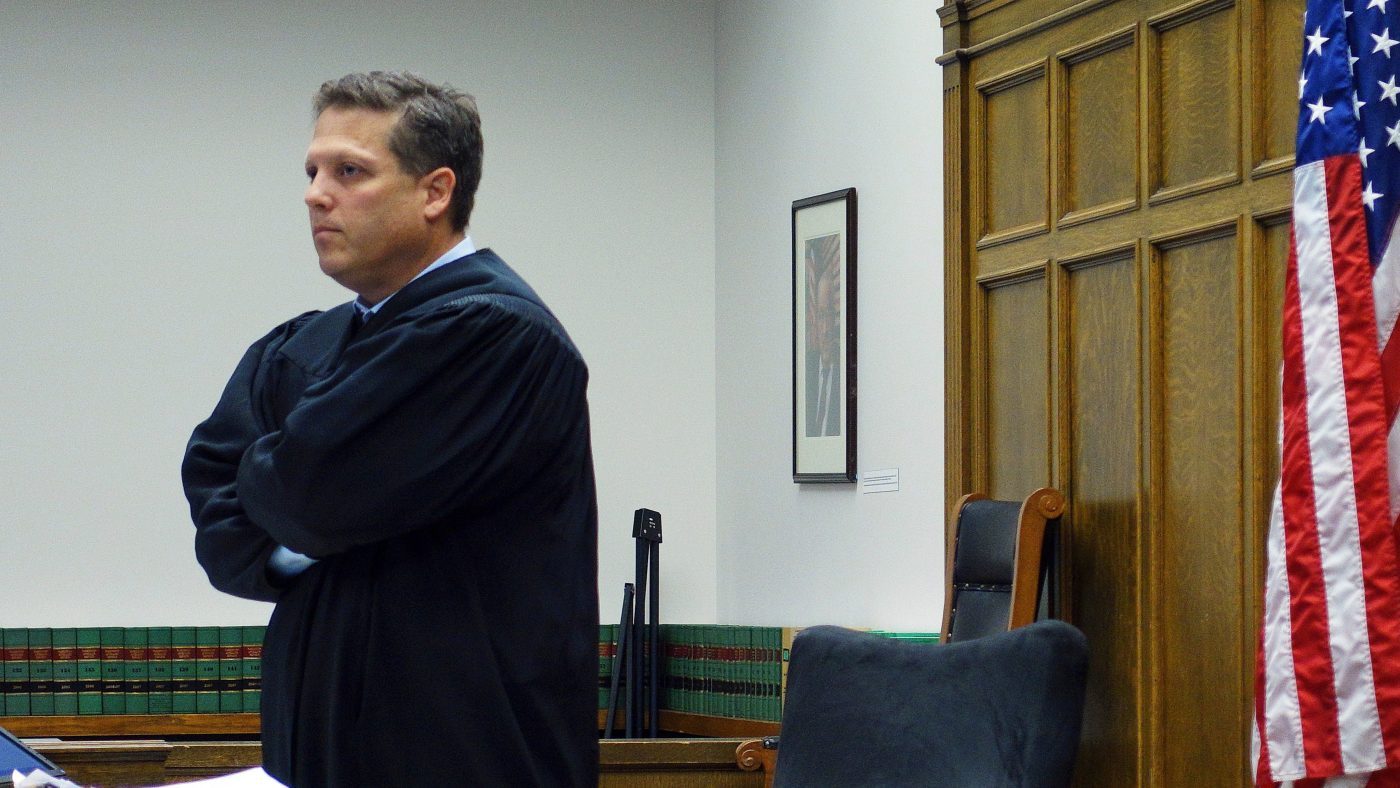
U.S. District Judge Stanley Bastian, an Obama appointee, had sided with Rogoff in October, ruling that his termination was unlawful and ordering the administration to restore him to the post until a Senate-confirmed successor is in place. Bastian wrote that neither Congress nor the president can unilaterally and permanently fill the office, emphasizing that the two branches must work together for any long-term appointment.
The Trump administration swiftly appealed, asking the 9th U.S. Circuit Court of Appeals to stay Bastian's order while the case is reviewed. On Sunday, a three-judge panel granted that request, noting in an unsigned order that the stay is "only intended to preserve the status quo" as the litigation proceeds.
Rogoff's legal team acknowledged the development in a filing Monday, stating that while they do not concede the administration is likely to prevail on appeal, Rogoff will remain out of the role for now. The case hinges on a constitutional question that has not been squarely tested in federal court: whether the president has the authority to fire a U.S. attorney who was appointed by the judiciary, not by the executive branch.
Federal law allows the attorney general to appoint an interim U.S. attorney for up to 120 days when a vacancy arises. After that period, district court judges may appoint someone to serve until the vacancy is filled—a mechanism that led to Rogoff's appointment. Rogoff argues that this statutory framework limits the president's removal power, while the Justice Department contends that the president can dismiss any U.S. attorney, regardless of how they were appointed.
The dispute has broader implications for the balance of power between the executive and judicial branches. Legal experts note that the outcome could affect how future vacancies in U.S. attorney offices are handled, particularly when the president and the judiciary disagree on appointments.
In the meantime, President Trump has nominated Pete Serrano, currently the first assistant U.S. attorney for the Eastern District of Washington, to fill the Seattle post permanently. That nomination is pending before the Senate, which will decide whether to confirm Serrano or leave the position in legal limbo.
As the appeals process moves forward, the case remains a flashpoint in the ongoing tension between the Trump administration and the federal judiciary over executive authority. For now, Rogoff's fate—and the broader question of who controls interim U.S. attorneys—awaits a final ruling from the 9th Circuit.