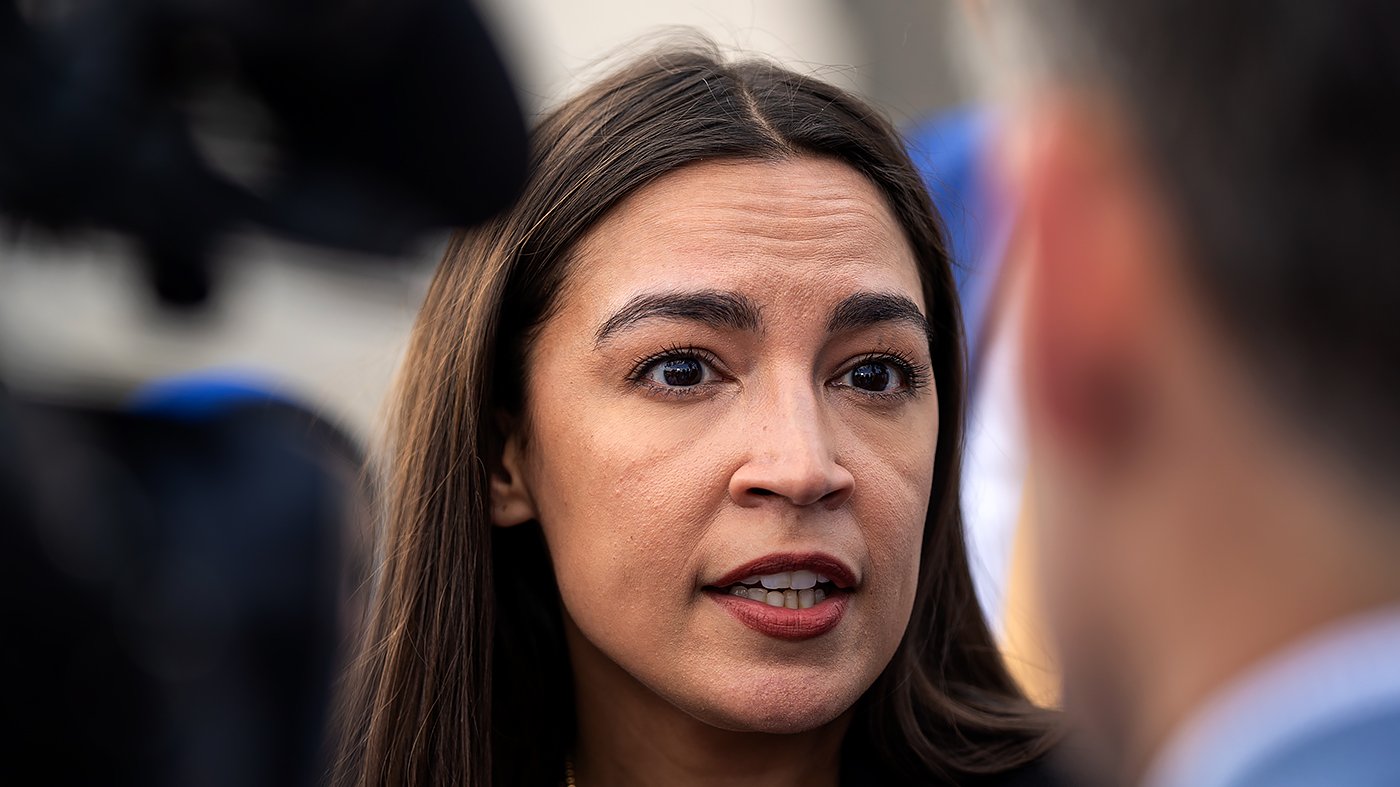
Rep. Alexandria Ocasio-Cortez (D-N.Y.) has spent the week turning her personal medical journey into a public spectacle, documenting her egg-freezing process in real time for her 9.6 million Instagram followers. From administering her own injections to troubleshooting an iPhone storage issue mid-shot, the congresswoman is offering an unfiltered look at a deeply private decision.
On Thursday, while recording one of her injections, her phone ran out of storage. "And I have an iCloud account and it is a big one and it is supposed to upload and it's just not," she said, lounging on her couch. "I need IT support." Hours later, she posted a video from a mall, joking that she was "addressing the issue" with three laughing-crying emojis.
The videos are part of a calculated effort to humanize Ocasio-Cortez, who has stirred speculation about a potential 2028 presidential bid. Her political trajectory is under intense scrutiny, and her social media strategy reflects a broader Democratic push to project relatability.
As the 2028 race looms, a growing number of Democratic hopefuls are inviting voters into their lives in ways that were once unheard of. From sharing dinner conversations to filming workout sessions, these politicians are betting that authenticity will resonate with an electorate that increasingly values transparency.
"There's always been a notion that in politics, the candidate you most want to have a beer with is the one you'll vote for," said Democratic strategist Brad Bannon. "Now candidates are using social media to make that personal case." He predicted that other presidential hopefuls would "make fervent personal pitches" in the coming weeks, as Ocasio-Cortez did.
That beer metaphor played out literally this week. On California Gov. Gavin Newsom's podcast, he and Michigan Gov. Gretchen Whitmer sat down at a dive bar in East Lansing, Mich., teasing each other about their ambitions. When Newsom pressed Whitmer on whether she'd run for higher office, she shook her head and smiled. "The pause says it all," he retorted. "Shut up," she shot back, "You are a pain."
Democratic strategist Basil Smikle noted that social media has "erased the traditional boundaries between voters and their elected representatives." He added, "It also means voters don't put them on pedestals as before — they're not better than us, they're one of us." The old standard, he said, was "Can I have a beer with them?" Now it's "Do they face the same choices that I do?"
Other contenders are finding their own ways to connect. Former Transportation Secretary Pete Buttigieg posted a video of himself being interviewed by an 11-year-old girl named Hannah, a self-described mountain biker and Star Wars fan. When asked if he'd learned a life lesson from the franchise, Buttigieg cited Darth Vader: "You never quite know how something is going to end or how somebody is going to turn out." He then turned the tables, asking Hannah for advice, to which she replied, "I'm not really the person you should be asking advice from, oh dear."
Kentucky Gov. Andy Beshear has been showcasing his dog, Winnie, in a series of charming posts, including one set to "Baby Shark" where the dog bounds through a field of purple flowers, and another on the Fourth of July with protective earmuffs. Maryland Gov. Wes Moore launched a series called "Pull Up a Chair," featuring conversations with constituents, most recently a Baltimore pizzeria owner.
For Ocasio-Cortez, the egg-freezing saga has been a double-edged sword. While she has faced criticism from some quarters, she has also drawn overwhelming support from followers who appreciate her openness. She has fired back at detractors, and on Thursday night, she posted Day 6 of her journey, calling the online response "incredibly overwhelming."
The authenticity push comes as Democrats are eyeing gains in the midterms, and strategists say the 2028 race will effectively begin the day after. For now, the party's potential candidates are betting that letting voters see their humanity is the key to winning their trust.