The Trump administration is drawing sharp criticism after issuing an export control directive that forced Anthropic to disable its newest artificial intelligence models, Fable and Mythos. Policy advocates argue the move reflects an ad hoc approach to AI regulation that could harm U.S. innovation and global competitiveness.
Anthropic pulled the models on Friday following a federal order requiring it to block foreign nationals from accessing them. The decision caught the tech industry off guard and raised alarms about the government's growing influence over AI development and deployment.
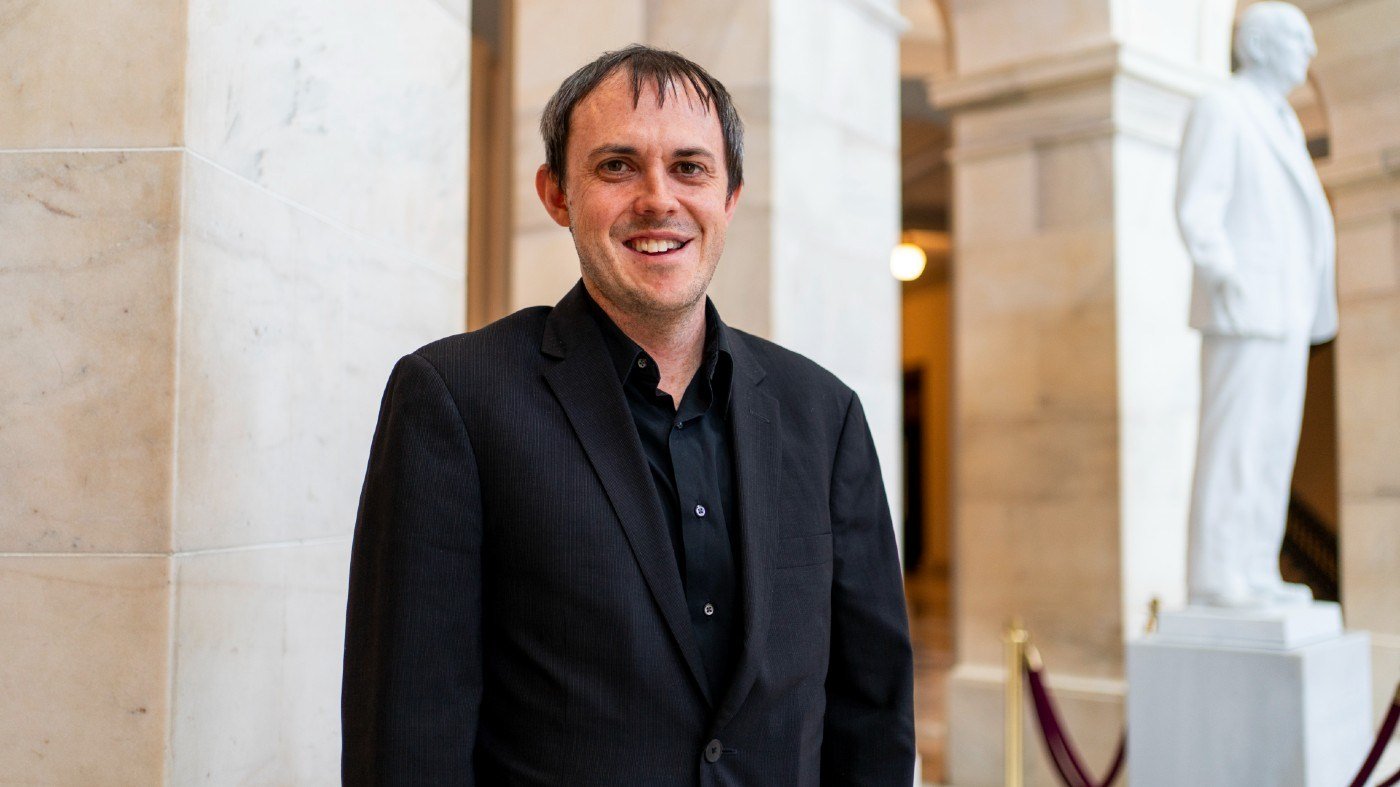
“When ad hoc executive actions replace clear standards, America risks surrendering its lead in AI and allowing genuinely dangerous technology to be deployed,” said Brad Carson, president and co-founder of Americans for Responsible Innovation, a nonprofit that has pushed for stronger AI guardrails.
Model Takedowns and Industry Reaction
Anthropic disclosed late Friday that it had withdrawn Fable 5 and Mythos 5 just three days after their release. Both models are based on the Mythos architecture, which the company had initially withheld from the public over concerns it could enhance hacking capabilities. Fable 5 was released with safety measures, while Mythos 5 was shared with a limited group of cybersecurity experts with fewer restrictions.
Initially, the research community criticized Anthropic for limiting responses from users suspected of conducting AI research. But attention quickly shifted to the export control directive. Reports indicate that Amazon CEO Andy Jassy contacted the administration Thursday to raise concerns about a potential jailbreak method targeting Fable, which may have spurred the order. Amazon has invested in Anthropic; The Hill has reached out for comment.
Anthropic pushed back, arguing that a “narrow potential jailbreak” did not justify pulling the model. The company distinguished this from a universal jailbreak and stated that “perfect jailbreak resistance” is not currently feasible. “If this standard was applied across the industry, we believe it would essentially halt all new model deployments for all frontier model providers,” the company wrote.
Anthropic added that while it supports government authority to block unsafe deployments, such actions must be part of a “transparent, fair, clear, and grounded in technical facts” statutory process. “This action does not adhere to those principles,” the company said. Anthropic staff met with Commerce Department officials on Monday, according to an administration official.
White House Mixed Messaging
A source close to Anthropic said the administration gave the company just 90 minutes to pull Fable, with no prior warning about national security threats. AI policy experts criticized the directive, noting it created a de facto licensing regime just weeks after the White House reiterated its support for voluntary testing and limited oversight.
“AI is licensed now, but the requirements change constantly and are always a secret, even to the administration itself,” wrote Dean Ball, a co-author of Trump’s White House AI Action Plan, in a social media post. Ball’s comments reflect broader concerns about the lack of clear, consistent rules.
Mandatory government testing remains off the table for most AI firms, which argue it could slow U.S. development and hinder competition with China. The Trump administration has largely agreed, but the release of advanced models like Mythos forced the White House to reconsider voluntary testing. Trump signed an order earlier this month outlining a voluntary testing process, but skeptics predicted it would not suffice. “Forget ‘voluntary,’ forget ‘permissionless,’” Ball said. “The government wants to apply its force to frontier AI; that much is clear. It wants to make the industry submit.”
Tensions Reignite Between White House and Anthropic
Trump allies criticized Anthropic’s resistance, arguing it contradicted the company’s safety-focused branding. Former White House AI and cryptocurrency czar David Sacks said the administration was “very surprised that Anthropic hasn’t wanted to cooperate with a reasonable safety request.” He added, “Anthropic’s reaction is very much at odds with their branding and ethos as a safe AI research community.”
The incident comes amid ongoing tensions between Anthropic and the Pentagon over safety guardrails in contract terms. The broader political context includes debates over AI regulation and the balance between innovation and security. For more on how the administration’s approach to AI intersects with other policy areas, see our coverage of Trump’s endorsement power tested in Georgia, Alabama runoffs and Garcia vows subpoenas for Trump officials on day one of Democratic House.