Alaska voters head to the polls Tuesday to settle a primary that will shape one of the most closely watched Senate contests this cycle. Incumbent Republican Sen. Dan Sullivan is fighting to hold his seat, while Democrats are rallying behind former Rep. Mary Peltola, hoping to turn the state blue.
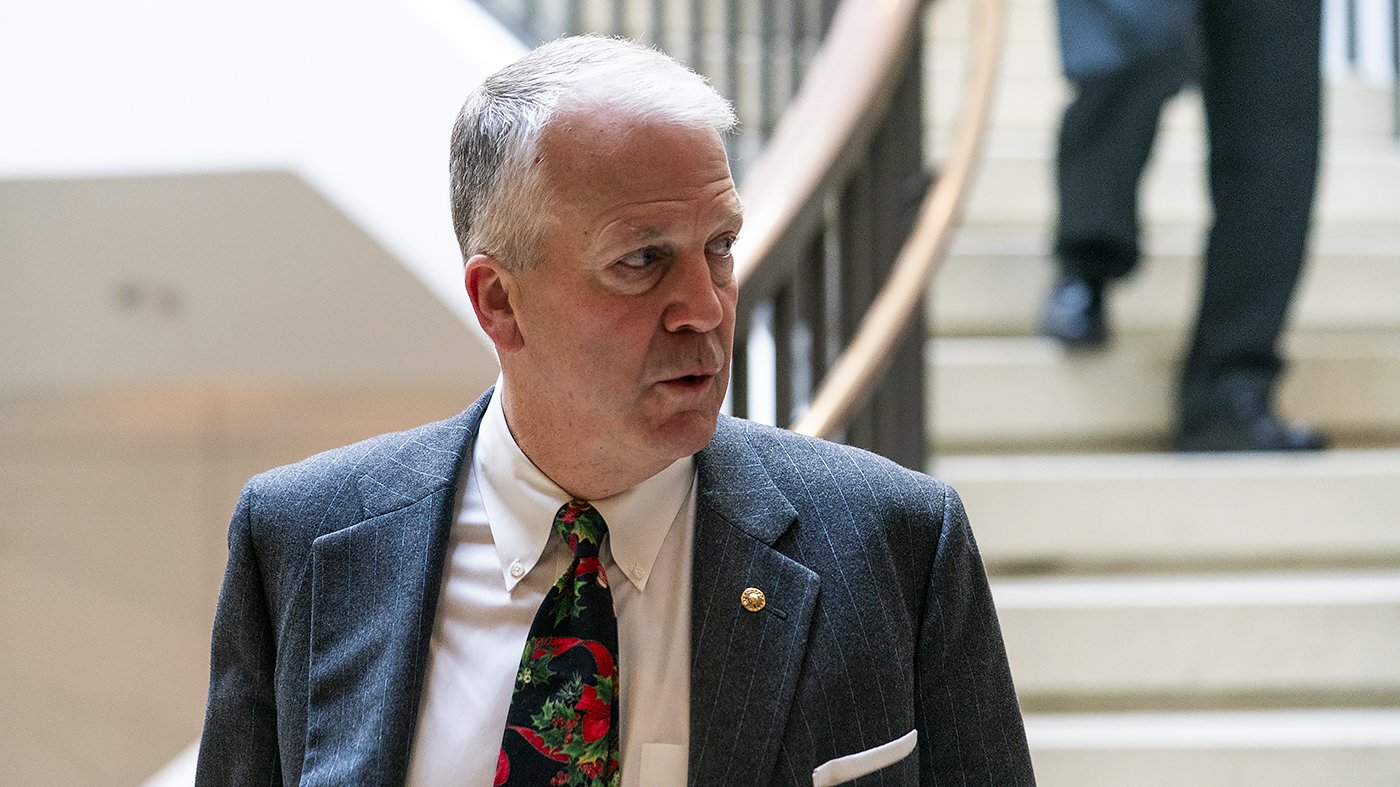
The race has taken an unusual twist: a second Republican named Dan Sullivan is also on the ballot. Senator Dan Sullivan—often referred to as Dan S. Sullivan—has accused his namesake challenger, Dan J. Sullivan, of being a stalking horse for Democrats, a charge the Democratic Party has flatly denied. The confusion has become a central theme of the campaign, with the senator warning voters not to mix up the two candidates.
Under Alaska's top-four primary system, the top four vote-getters—regardless of party—will advance to the general election. That means the November ballot could feature multiple Republicans, a Democrat, and possibly independents, all vying for the seat in a ranked-choice voting system.
Polls close at midnight Eastern Time on Wednesday. The results, tracked by Decision Desk HQ, will provide the first clear picture of which candidates will move forward. The outcome is critical for both parties: Republicans are defending a narrow Senate majority, while Democrats see Alaska as a rare pickup opportunity in a challenging map.
Peltola, who won Alaska's lone House seat in a 2022 special election and held it for two terms before losing in 2024, has emerged as the Democrats' standard-bearer. Her campaign has focused on bipartisan appeal, emphasizing her record on fishing, energy, and rural issues. In a state that backed Donald Trump by double digits in 2020, Peltola's ability to attract independent and moderate Republican voters will be tested.
Senator Sullivan, first elected in 2014, has positioned himself as a conservative fighter for Alaska's resource industries, including oil and gas. He has attacked Peltola as a rubber stamp for the national Democratic agenda, while also seeking to dismiss the other Dan Sullivan as a fringe candidate with no real support.
The primary also features a crowded field of lesser-known candidates, including independents and third-party hopefuls. The top-four system means that even low-polling contenders could sneak into the general election if they consolidate enough support. This dynamic has made the race particularly unpredictable, as Alaska's open primary has drawn a crowded field vying for the top four spots.
Observers are watching whether the namesake confusion depresses turnout or drives it up. "It's a real headache for the senator," said one Anchorage-based political analyst. "Every time his campaign says 'vote for Dan Sullivan,' they have to clarify which one." The challenger, Dan J. Sullivan, has denied any coordination with Democrats, insisting he is running to give Republicans a more conservative option.
The race is part of a broader pattern of competitive primaries in the West. In Wyoming, for example, the open House seat has drawn a crowded GOP primary, and the governor's primary is testing Trump's endorsement. But Alaska's Senate race stands out because of its potential to shift the balance of power in Washington.
With the primary underway, both parties are bracing for a long general election fight. If Peltola advances—as polls suggest she will—she will likely face Senator Sullivan in a rematch of sorts, though the presence of other candidates could complicate the ranked-choice calculus. As results come in, the political world will be watching to see whether Alaska's unique system delivers another surprise.