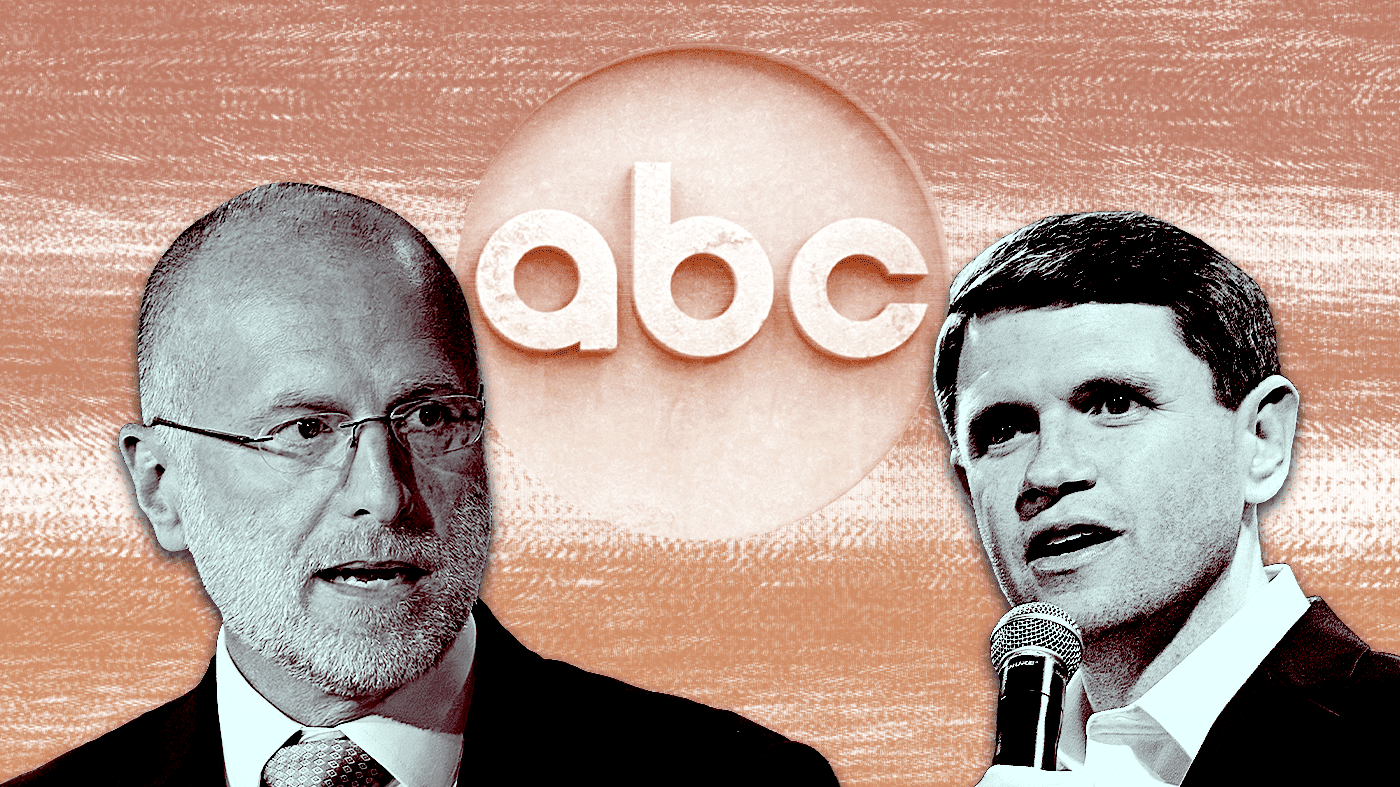
ABC and its parent company Disney have taken a combative stance against the Federal Communications Commission, filing a formal complaint that accuses the agency of infringing on First Amendment rights. The network argues the FCC is attempting to “chill critical protected speech” by questioning whether its daytime talk show The View qualifies as a legitimate news program—a designation that would exempt it from certain political broadcasting rules.
At the heart of the dispute is Section 315 of the Communications Act of 1934, which mandates that over-the-air broadcast stations provide equal on-air opportunities to political candidates. If a station gives airtime to one candidate, it must offer comparable time to their opponent. However, the law carves out an exemption for “bona fide” news programs, allowing broadcasters editorial discretion without triggering the equal-time requirement.
The controversy erupted in February when The View hosted Democratic Senate candidate James Talarico in the run-up to Texas’s primary election. The FCC responded with an inquiry into whether the program—hosted by a panel of comedians and commentators—truly meets the standard of a bona fide news show. ABC could have sidestepped the issue by offering Talarico’s primary opponents equal airtime on its Houston-based station, KTRK, but instead chose to challenge the FCC’s authority.
The network’s complaint warns that the FCC’s inquiry could have a chilling effect on protected speech “for years and potentially decades to come.” Yet, as critics note, ABC has not been shy about exercising its editorial freedom. The show’s guest list leans heavily toward one side of the political spectrum, and its hosts regularly deliver unapologetically partisan commentary. If the FCC were truly intent on censorship, observers argue, it is doing a poor job of it.
The irony of ABC’s First Amendment defense is not lost on media watchers. The network recently settled a libel suit brought by former President Donald Trump over comments made by anchor George Stephanopoulos—a case that many saw as a capitulation rather than a defense of press freedoms. Moreover, the FCC had previously granted The View a news exemption in 2002, when the show featured journalists like Barbara Walters, Meredith Vieira, and Lisa Ling. But the program has since evolved into a more overtly activist platform, and the current commission—led by Chairman Brendan Carr—appears skeptical that the old exemption still applies.
CBS avoided a similar headache by keeping Talarico’s interview off its broadcast airwaves entirely, posting it online instead, where FCC oversight does not reach. ABC’s complaint insists that guests are chosen for “newsworthiness rather than on an intention to advance or harm an individual’s candidacy,” but the network’s own track record suggests otherwise.
Ultimately, the FCC’s job is to enforce the Communications Act as written. If ABC wants to change the rules, its proper avenue is Congress, not a legal filing that portrays the agency as a threat to free expression. The network enjoys vast protections under the First Amendment—including the right to be as politically biased as it pleases—but ignoring Section 315 is not one of them.
In related developments, the FCC’s scrutiny of political broadcasting comes as the agency also faces questions about its oversight of other media issues, including spam call complaints and privacy concerns around facial recognition. Meanwhile, the broader debate over campaign finance and media access continues to shape political strategy, as seen in recent Senate GOP moves on immigration enforcement.