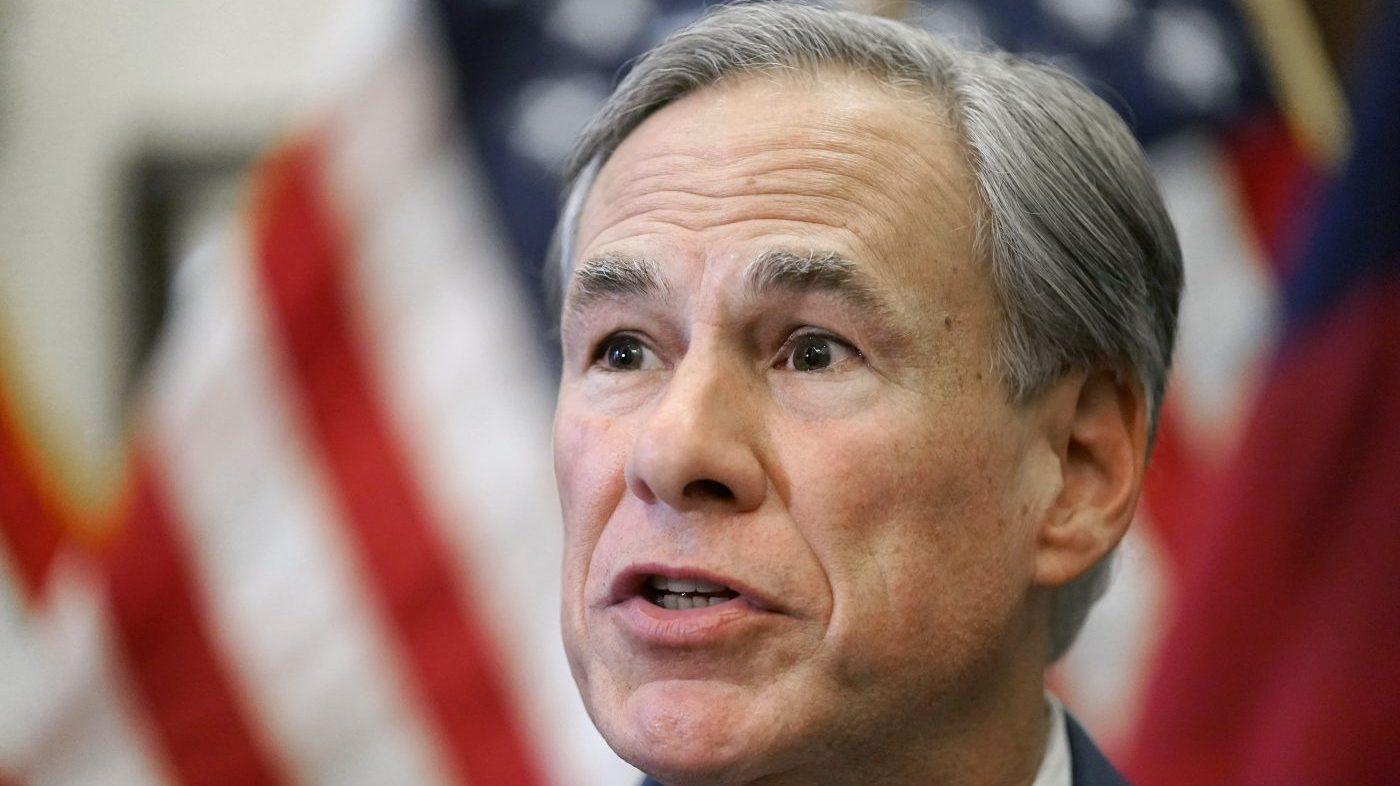
Texas Governor Greg Abbott is taking a tougher stance on the state's booming data center industry, directing regulators to craft new rules that would require water-efficient technology and scrap existing tax incentives. The Republican governor, facing a competitive reelection bid this November, issued a directive Wednesday to the Texas Public Utility Commission (PUC) and the Electric Reliability Council of Texas (ERCOT) to act swiftly to protect residents from the economic fallout of these massive facilities.
In a public statement, Abbott argued that data centers must operate in a way that does not burden residential electricity customers or deplete community water supplies. He called on PUC Chair Thomas Gleeson and ERCOT President Pablo Vegas to identify measures that would minimize harm to local communities, with recommendations due by July 17.

The governor also pledged to work with the state legislature to mandate water-efficient construction for new data centers, require reporting of water and electricity usage to the PUC, and repeal existing tax breaks that have fueled the industry's growth. “As Texas continues to welcome innovation and investment, we must ensure that growth strengthens our people and their quality of life without placing undue burdens on Texans and local communities,” Abbott wrote in a letter to the agencies.
Texas is on track to become the nation's leader in data centers, currently trailing only Virginia with 217 operational facilities. According to data from Aterio, another 162 are under construction and 747 have been announced. A University of Texas at Austin report released last May projected that data centers could consume up to 9 percent of the state's water by 2040, intensifying concerns about resource strain.
Abbott's shift comes after years of welcoming the industry. He signed the Texas Responsible AI Governance Act last June, imposing new reporting requirements on AI developers, and banned state officials from using certain Chinese-owned AI platforms. In November, he celebrated a $40 billion investment from Google, calling Texas the “epicenter of AI development.”
Democrat Gina Hinojosa, who is challenging Abbott in the gubernatorial race and has been a vocal critic of data center expansion, accused the governor of changing course only to boost his election prospects. “Greg Abbott is changing his tune on data centers because he knows his policies are unpopular,” she wrote on social media Wednesday. “Nobody believes the arsonist is gonna be the one to put out the fire.”
The Data Center Coalition, an industry advocacy group, signaled willingness to engage with the state. Vice President of State Policy Dan Diorio said in a statement that the coalition supports “responsible infrastructure growth” and noted that Texas leaders have made clear the need to “build big and build responsibly.” However, Diorio cautioned against a one-size-fits-all approach, emphasizing that siting and operational decisions are made in close coordination with local utilities and water providers.
Abbott's new push aligns with broader concerns about the environmental and grid impacts of data centers, which are also fueling debates in other states. Meanwhile, the governor's office has not commented on how these proposed restrictions might affect ongoing projects or future investments.