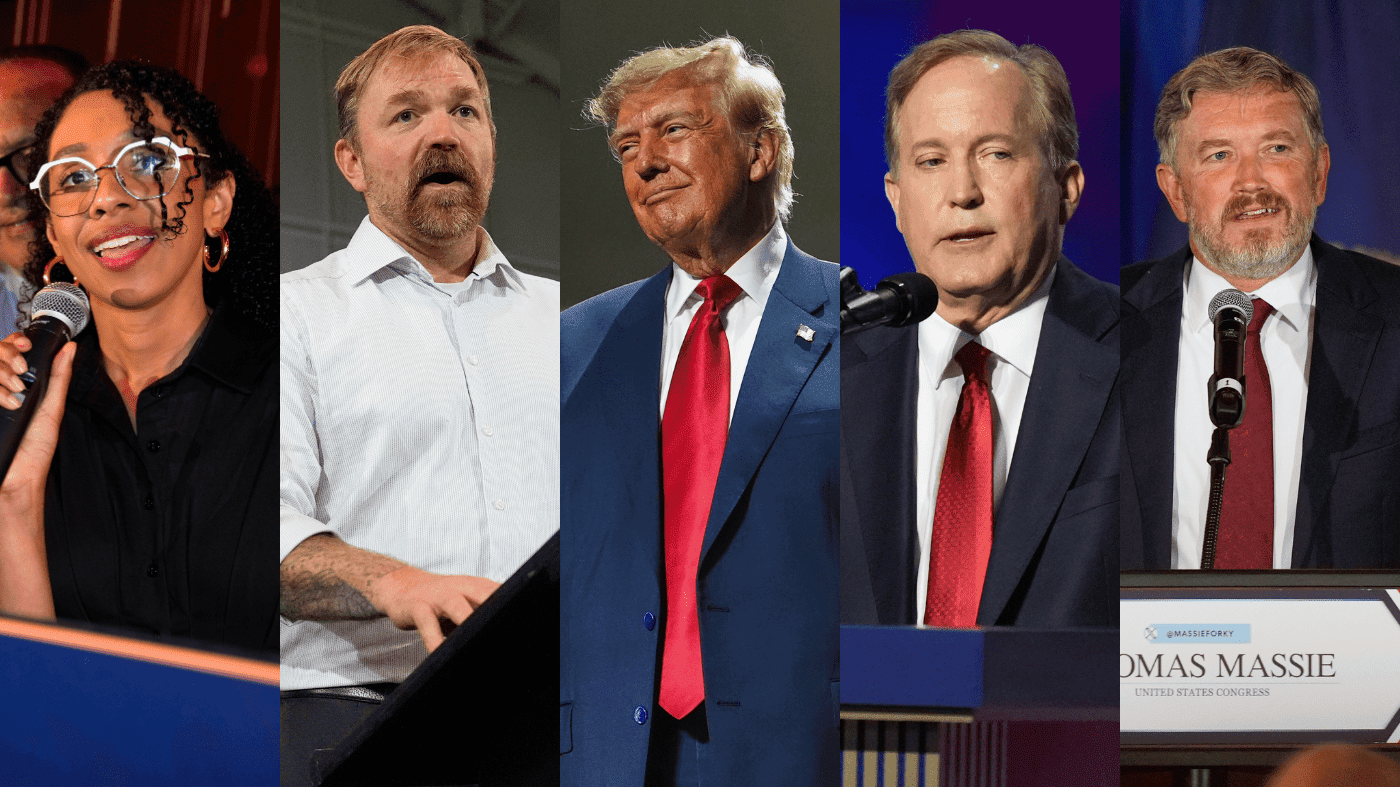
The 2026 primary season wrapped up Tuesday with Delaware's contests, closing a six-month stretch that rattled both parties and set the stage for a fierce battle for control of Congress. The cycle delivered a string of upsets, from the left flank of the Democratic Party consolidating power to President Trump's mixed record as a GOP kingmaker. With 48 days until Election Day, here are the seven biggest surprises that defined the primaries.
Democratic socialists score major upsets
The left wing of the Democratic Party flexed its muscle, ousting sitting House members, including members of the Congressional Progressive Caucus. Democratic socialists Darializa Avila Chevalier and Melat Kiros defeated Reps. Adriano Espaillat (N.Y.) and Diana DeGette (Colo.), respectively. Claire Valdez won the primary for retiring Rep. Nydia Velázquez's open seat in New York, and Donavan McKinney, backed by the Democratic Socialists of America (DSA), unseated Rep. Shri Thanedar in Michigan.
In Senate primaries, state Rep. Angie Nixon, a DSA member, beat Trump whistleblower Alex Vindman in a Florida House primary, while N'Kiyla Jasmine Thomas defeated establishment favorite Jim Priest in Oklahoma. Down the ballot, Rhode Island state Rep. David Morales toppled incumbent Brett Smiley in the Providence mayoral primary, a result that drew national attention.
Fetterman's surprise GOP convention appearance
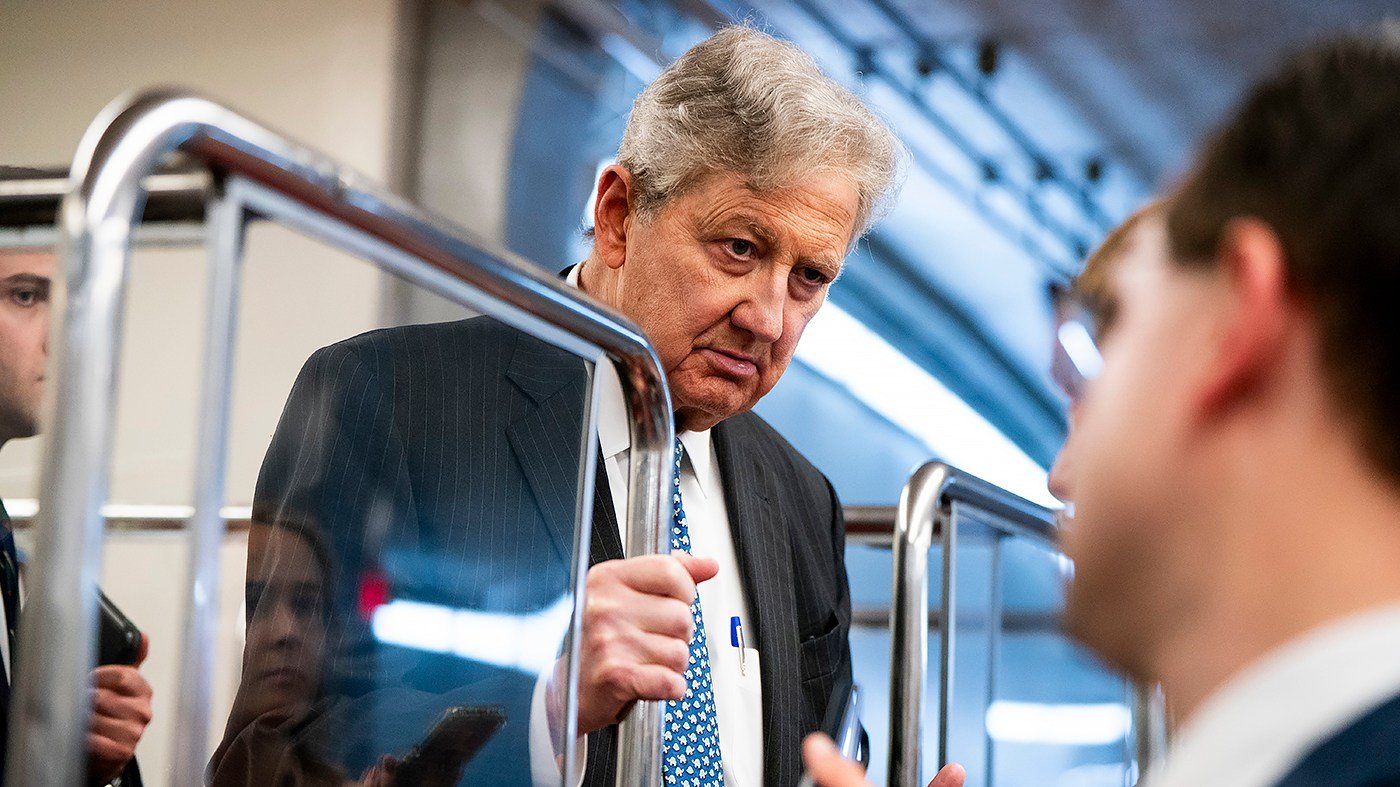
One of the most jarring moments came off the ballot: Sen. John Fetterman (D-Pa.) appeared via video at the GOP's midterm convention in Dallas, praising Republican Sen. Dave McCormick (Pa.) and pledging to work with Trump to protect Pennsylvania's steel industry. Democrats were furious, with Rep. Madeleine Dean (D-Pa.) telling reporters, "From suburban Philadelphia, my constituents are livid. Those who knocked doors for him are absolutely livid."
Polling misses the mark
In Michigan, Abdul El-Sayed barely defeated Rep. Haley Stevens in the Senate primary, despite polls showing him with a commanding lead. In Wisconsin, Francesca Hong lost to Milwaukee County Executive David Crowley, though Marquette Law School Poll director Charles Franklin argued the polling accurately captured her support at just under 40 percent. "It was a very fluid primary campaign," Franklin said, "not a classic polling mess." Still, the cycle was marred by revelations that two polls in the Wisconsin gubernatorial and Los Angeles mayoral races were entirely fabricated.
Trump backs Paxton over Cornyn
In Texas, speculation over Trump's endorsement in the Senate runoff kept Republicans on edge. The Atlantic reported in March that Trump was expected to back Sen. John Cornyn, who finished first in the initial three-way primary. But a week before the May runoff, Trump endorsed Attorney General Ken Paxton, a move that stunned observers. Rice University professor Mark Jones suggested Trump's decision was more about "ratcheting up another victory on his belt" than a genuine endorsement of Paxton.
Platner's collapse in Maine
Veteran Graham Platner's antiestablishment campaign in Maine's Senate race disrupted the Democratic primary so much that Gov. Janet Mills dropped out. But his candidacy imploded after two women accused him of sexual misconduct, including sexual assault, and his past controversial Reddit posts surfaced. Democrats had largely rallied behind Platner as their best hope to unseat Sen. Susan Collins (R), but they were forced to nominate former Maine Senate President Troy Jackson just 100 days before the election.
Supreme Court guts voting rights law
The Supreme Court's decision to dismantle a key provision of the Voting Rights Act this summer triggered a rapid redistricting scramble in the South, allowing Republicans to redraw congressional maps before the fall elections. The ruling has already reshaped the political landscape, with legal challenges pending in several states.
Other notable shifts
In Rhode Island, Gov. Dan McKee lost his primary to challenger Helena Foulkes, while Sen. Jack Reed cruised to the Democratic nomination. In New Hampshire, Stefany Shaheen narrowly won her House primary, and Gov. Chris Sununu's decision not to run for Senate set up a competitive governor's race. The primaries also saw the Delaware Senate contest settle with incumbent Chris Coons advancing, and Delaware's House race taking shape with Sarah McBride unopposed on the Democratic side.
As the general election approaches, both parties are now adjusting to a landscape transformed by these primary shocks, with the Supreme Court's ruling and the left's momentum likely to dominate the final stretch.