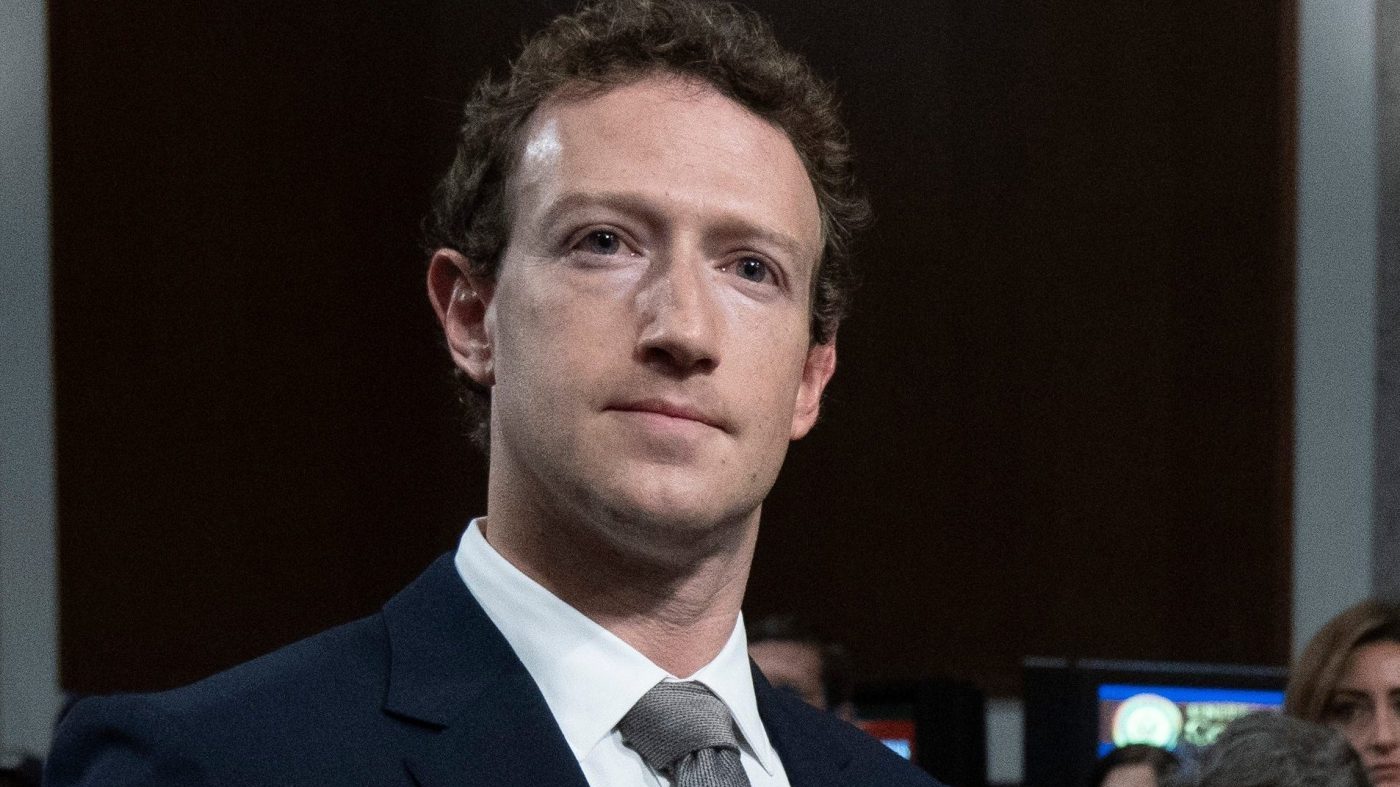
Meta CEO Mark Zuckerberg on Tuesday pushed back against the trend of concentrating artificial intelligence development in the hands of a few major players, arguing the technology's future should remain widely accessible.
In a Wall Street Journal op-ed, the tech executive focused on the prospect of superintelligence—AI that exceeds human cognitive ability—and framed the debate as a fundamental choice about power. “The defining question of our age isn't whether superintelligence will exist, but who will have access to it,” he wrote. “Will it be centralized and restricted to a few institutions, or will it be a tool that empowers everyone?”

Zuckerberg took thinly veiled shots at key rivals, including Anthropic CEO Dario Amodei and OpenAI CEO Sam Altman, expressing surprise that those leading the field are offering what he called “so filled with doom” perspectives. “I don't understand why anyone who believes that AI will eliminate most jobs and much of humanity's relevance would rush to build that future,” he said.
Both Amodei and Altman have warned of potential job displacement from AI. Amodei has suggested the technology could wipe out large portions of entry-level white-collar work, while Altman has softened some of his earlier predictions about job losses. Zuckerberg argued that the notion of AI being so dangerous that only extreme centralization can save us is itself dangerous. “Historically, hoping that an absolute power will benevolently provide for humanity if sufficiently enlightened hasn't led to safe or positive outcomes,” he added.
The Meta chief instead advocated for “personal superintelligence”—AI tailored to individuals and widely distributed. “Some argue that superintelligence itself, or a small set of experts who control it, should decide what is best for humanity. I disagree,” he wrote. “The history of democracy and economics has shown that there is no single objective answer to how people define the best life, and therefore the best approach is letting people decide what matters to them.”
Meta, which owns Facebook and Instagram, has long embraced this concept. Zuckerberg outlined a similar vision in a letter last July. The op-ed arrives at a pivotal moment for the industry, as open-weight models from China—such as Moonshot AI's Kimi K3—have rattled the American AI sector, where leading firms have largely favored closed systems. This has sparked worries that U.S. companies might increasingly turn to cheaper, Chinese open models, a dynamic that has caught the attention of the White House amid debates over how to regulate the technology. Several major AI firms, including Meta, OpenAI, and Nvidia, recently urged the government not to overregulate open-weight models, as export controls on AI models face scrutiny. Meanwhile, the White House is tightening controls on AI agents amid rising cyber threats.
Zuckerberg's critique of centralized control also echoes broader political debates about power and access. As the midterm elections approach, the question of who governs emerging technologies is becoming a key policy fault line.