The 2026 midterm elections produced a decisive blue wave for Democrats and swept a noticeably younger cohort of candidates into office, many of whom defeated older, more experienced rivals. From Texas to Michigan to Colorado, young contenders—mostly Democrats—prevailed in races up and down the ballot.
In Texas, James Talarico and Gina Hinojosa won their contests; Abdul El-Sayed was victorious in Michigan; Annie Andrews triumphed in South Carolina; Melat Kiros, at 29, became the first Gen Z woman elected to Congress from Colorado; and Josh Turek won in Iowa. The trend wasn't limited to Democrats: Republican Michael Alfonso, 27, defeated Democrat Fred Clark, 67, in Wisconsin's 7th Congressional District.

Santiago Mayer, executive director of the youth-focused group Voters of Tomorrow, described the phenomenon not as a mere wave but as a "youth quake." He pointed to economic grievances driving young voters. "We've seen Boomers have their net worth increase by almost 30 percent since 2022, whereas for people under 30, it shrunk by 20 percent," Mayer told The Hill. "We need candidates who are working to fix that."
According to the Future Caucus, more than 40 non-incumbent millennials won congressional races, and another 50 held their seats. Layla Zaidane, the group's president and CEO, stressed that the results were no accident. "More than a third of congressional candidates this cycle were under 45, up from 1 in 4 in 2024," she said. "At least 97 of them—38 percent of the 272 who ran—have won their races, and Gen Z representation in the House tripled."
Some races remained undecided. In Mississippi, 43-year-old Democrat Scott Colom held a narrow lead over incumbent Republican Sen. Cindy Hyde-Smith, 67. In Alaska, 37-year-old Democrat Jonathan Kreiss-Tomkins was far ahead in the gubernatorial race.
Zaidane argued that voters' demand for change aligned with what young candidates offered. "This year, voters across the board were looking for exactly that," she said. "This crop of candidates also grew up online, so they have strong instincts for communicating consistently and engagingly on the platforms where more people than ever get their news. And they rejected the idea of waiting their turn."
Mayer noted that successful Democratic candidates focused heavily on the economy and opportunity, offering concrete solutions rather than sympathy. The refusal to wait was evident on the trail. Kiros told NPR in February, "We need to have leaders that are going to be fighting for the kind of bold policies that actually get something done, and they're refusing to settle or wait for our turn or ask for permission."
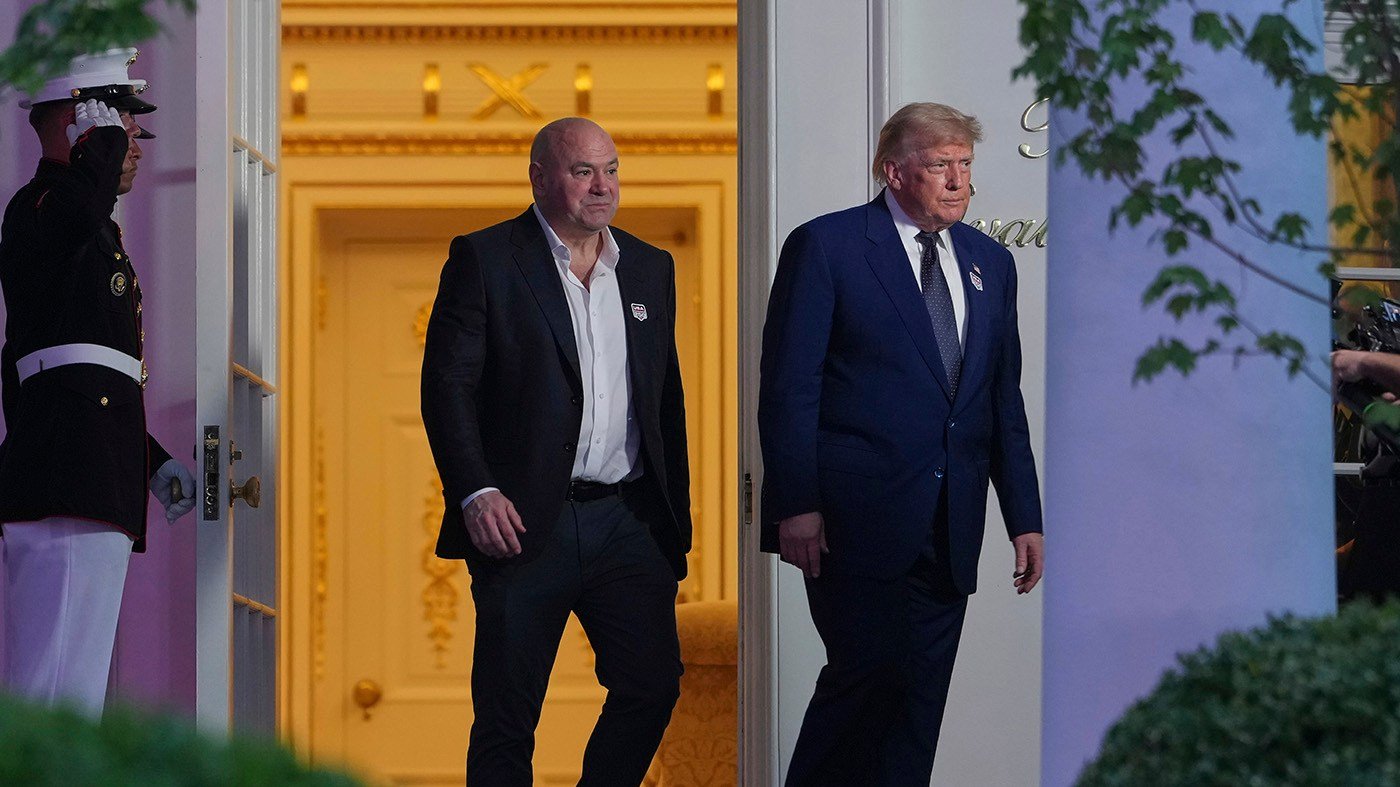
The rise of younger lawmakers comes as scrutiny of Congress's advancing age intensifies. Six lawmakers died during the 119th Congress, most past retirement age. In South Carolina, Sen. Darline Graham, 62, appointed after her brother Lindsey Graham's death, lost to 46-year-old Andrews despite Trump's endorsement. President Trump is the oldest person sworn in as president, and Sen. Mitch McConnell's prolonged health-related absence renewed calls for term limits.
Mayer cautioned that the results don't signal the end of older leadership entirely. "I don't think I would say it's the end of the gerontocracy because I think we need to have older people who know how things work," he said. "But I do think it is the end of dominance by older people because the world has simply kind of changed too much."
Both Mayer and Zaidane emphasized that Gen Z voters have not yet locked in partisan allegiance. "Gen Z is still forming their political identity, and their support depends on results," Zaidane said. The midterms may have delivered a youth quake, but its aftershocks will depend on how well these new lawmakers deliver.