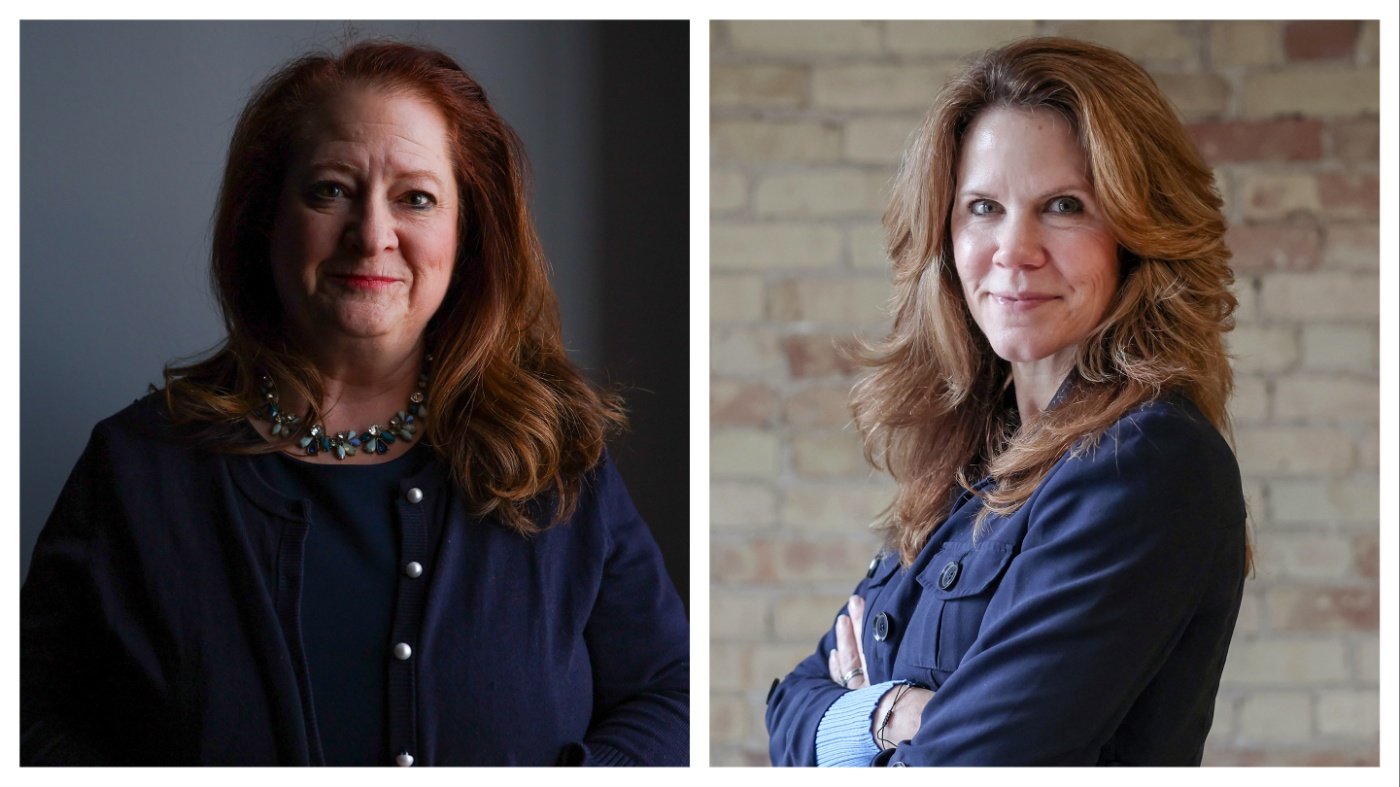
Wisconsin voters are casting ballots Tuesday in a critical judicial election that will determine the ideological direction of the state's highest court. The contest pits liberal appellate Judge Chris Taylor against her conservative colleague on the bench, Judge Maria Lazar, for a ten-year term on the Wisconsin Supreme Court.
The outcome carries significant weight for the future of state law. While lacking the intense national spotlight of last year's blockbuster race, this election presents a clear opportunity for the court's current 4-3 liberal majority to solidify its position. A victory for Taylor would expand that majority to 5-2, potentially locking in liberal judicial control for the next decade and influencing rulings on abortion access, election administration, and legislative redistricting.
Both candidates bring extensive judicial experience to the race. Taylor and Lazar currently serve together on the Wisconsin Court of Appeals, though they represent opposing judicial philosophies. They are vying to replace retiring conservative Justice Rebecca Bradley, whose departure created this open seat.
The race has unfolded as a classic clash of judicial ideologies. Taylor has campaigned on a platform emphasizing reproductive rights, environmental protections, and a view of the court as a check on legislative power. Lazar has positioned herself as a strict constructionist, advocating for judicial restraint, textualism, and a limited role for the judiciary in policymaking.
This election serves as a key barometer for the 2026 political landscape, testing voter engagement on state-level judicial races that often have more immediate impact than federal contests. The results will signal which party's base is more energized in the current political climate and could influence strategy for upcoming battles over state governance.
Polls close statewide at 8 p.m. Central Daylight Time. Election officials across Wisconsin are reporting steady turnout, with particular attention on suburban Milwaukee counties and university towns that have been decisive in recent close elections.
The contest arrives amid a period of intense scrutiny on judicial conduct nationwide. Recent rulings from both state and federal courts on contentious social issues have placed the judiciary at the center of political debates. For instance, a federal appeals court recently upheld Iowa's restrictions on classroom LGBTQ materials, highlighting how judicial elections directly affect policy implementation.
Furthermore, the U.S. Supreme Court continues to shape the legal environment in which state courts operate. Its recent handling of cases involving contempt convictions and its approach to state secrets doctrines demonstrate the interconnected nature of judicial systems. The Wisconsin election results will determine which judicial philosophy guides the state's interpretation of these federal precedents.
As voters await results, political observers are watching for trends that may influence future judicial nominations and elections. The outcome will immediately affect pending cases before the court and set the tone for Wisconsin's legal direction on everything from environmental regulations to business litigation standards.
Follow The World Signal for comprehensive analysis as results develop tonight. This race represents more than a single judicial appointment—it's a decisive moment for Wisconsin's legal framework and a potential indicator of judicial election trends heading toward the next presidential election cycle.