Data centers have become the unlikely flashpoint in America's ongoing reckoning with Big Tech. Once seen as benign infrastructure, these massive facilities now face a sudden and dramatic collapse in public approval—a shift that has caught even seasoned political observers off guard.
A recent poll from Heatmap News chronicles the erosion. Robinson Meyer, writing for the outlet, describes it as “a swift, massive shift in U.S. public opinion on a scale that I wouldn’t have once thought possible.” The numbers are stark: communities that once welcomed data centers as economic saviors are now organizing against them, and politicians from both parties are taking notice.
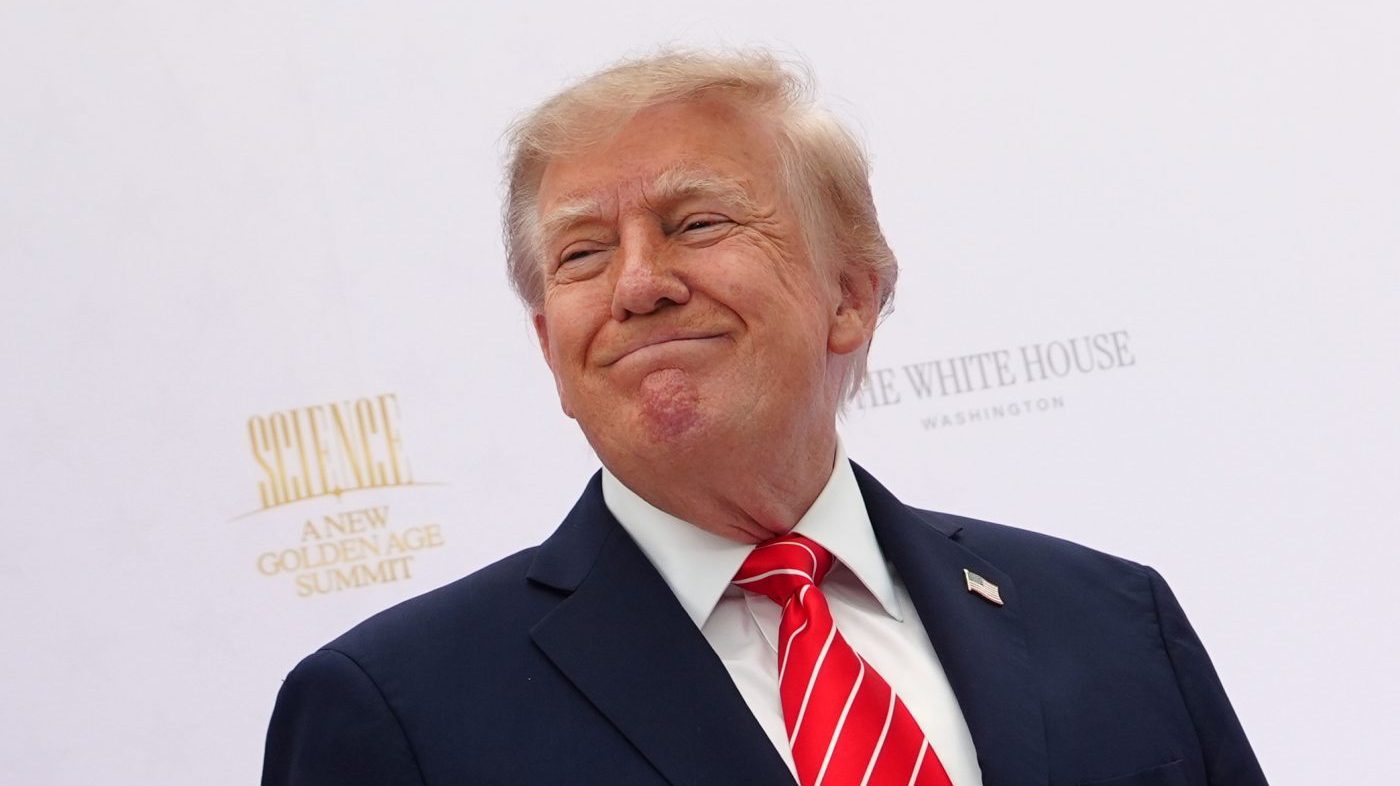
This backlash is striking because data centers deliver tangible benefits. In Loudoun County, Virginia, for instance, the industry’s tax revenue has allowed local officials to cut property taxes for everyone else. Yet across the country, residents cite concerns over electricity consumption, water usage, and noise—and those concerns are translating into political action. Republican and Democratic state officials alike have moved to slow approval processes for new construction, even as President Trump remains a vocal champion of the sector.
Trump’s support is well-founded: data centers are the backbone of the modern digital economy, and their importance will only grow as artificial intelligence expands. But the president finds himself increasingly out of step with a populist coalition that views these buildings as symbols of everything wrong with the tech industry.
Some commentators argue the opposition isn’t really about the buildings themselves. Saagar Enjeti, co-host of the YouTube show Breaking Points, tweeted that data centers are “the physical manifestation of all that makes us miserable... a gateway to a future where we’re told we’re not needed.” That framing resonates with a broader anxiety about automation and corporate power—even if Enjeti’s own career depends on the very platforms those data centers enable.
But it’s more likely that most people are simply reacting to the visible footprint of new construction, amplified by misleading talking points. The real challenge for advocates is to communicate the value these facilities bring—not just to tech giants, but to the communities that host them.
One promising suggestion comes from conservative commentator Mike Cernovich, who argues that data center operators should invest directly in local communities. “Go to a small town. The baseball field is named after some local business owner. New track and field house at the high school. Same. Should be no different with data centers,” he wrote on X. “Put a couple of million into small towns across America and watch this drama end overnight.”
That kind of grassroots investment could ease tensions, but it won’t resolve the deeper ideological divide. The data center fight is now part of a larger political battle over the role of Big Tech in American life—one that cuts across traditional party lines. As Trump continues to push for expansion, he may find that his biggest obstacle isn’t foreign adversaries, but a domestic public that has lost faith in the digital future.
For now, the president’s stance remains clear: data centers are essential to national competitiveness and security. Whether he can convince a skeptical public—and a growing number of state lawmakers—remains an open question.