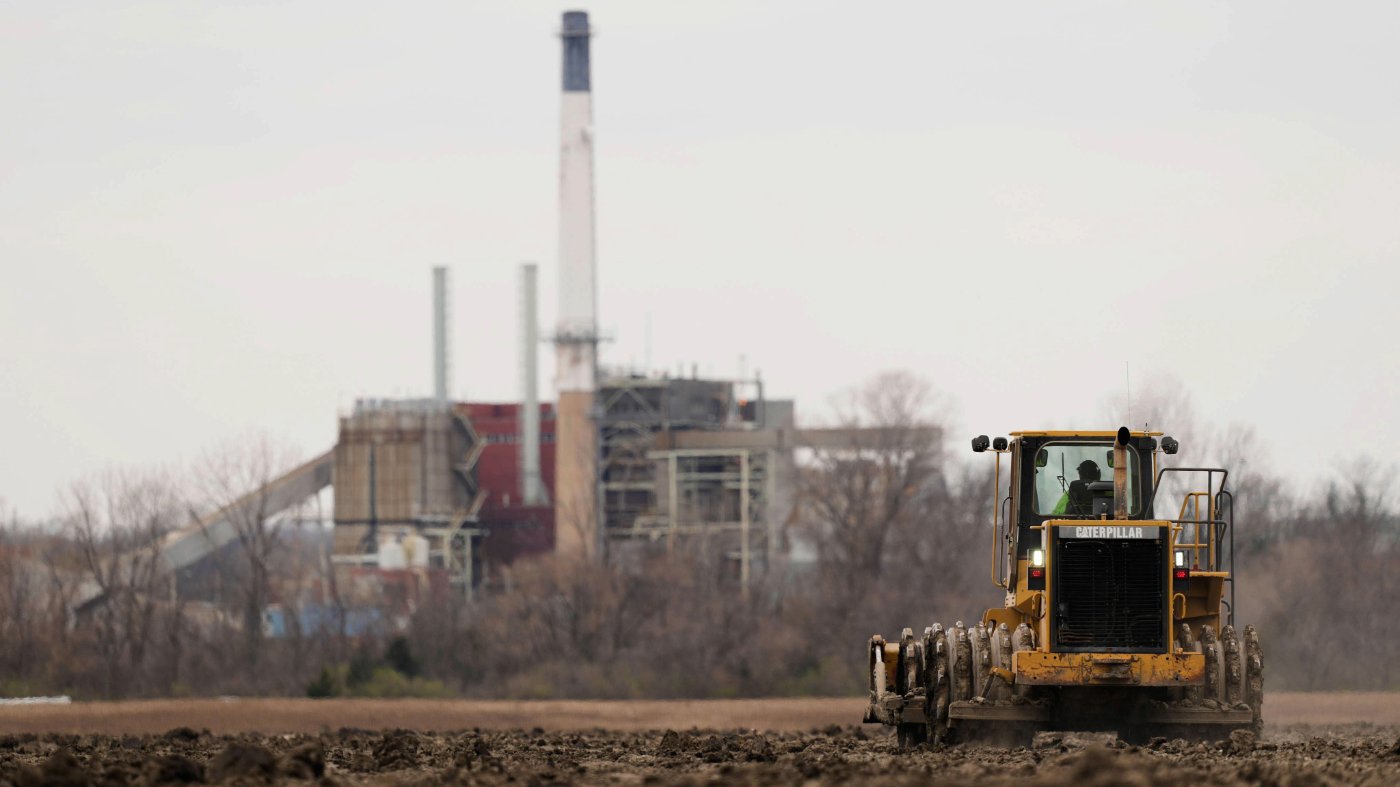
America has a long tradition of building the infrastructure that underpins its prosperity—railroads, interstate highways, and the internet were all ambitious projects that required vision, capital, and skilled labor. Today, the next such foundation is being laid: the data centers and energy systems that power artificial intelligence. Yet, as this buildout accelerates, a growing number of communities and states are considering moratoriums or outright bans on these projects.
In a new commentary, Austin Keyser, International Vice President of the 4th District of the International Brotherhood of Electrical Workers, argues that such blanket prohibitions are a serious mistake. While acknowledging that concerns about electricity, water, and siting deserve serious attention, he warns that a blanket ban would cost communities dearly for decades. The infrastructure will be built somewhere; the question is whether America builds it or bans it, and Keyser insists the nation should not walk away from the opportunity.
The United States is already the world's largest hub for data center investment, with thousands of facilities operating and hundreds more under construction. In central Ohio alone, data center construction accounts for 40 percent of building trades work hours, and three campuses there generated roughly 6.5 million worker hours of construction in a single year. These are not abstract statistics—they represent electricians, pipefitters, operating engineers, laborers, ironworkers, and carpenters earning family-sustaining wages with benefits, as well as apprenticeships that provide debt-free pathways into the middle class.
Keyser, who grew up in southern Ohio, knows firsthand what happens when good jobs leave a community and don't come back. He points to a newly announced project in Piketon that will put tens of thousands of construction workers on site in a region that has waited decades for an economic breakthrough. Similar stories of data center-driven renewal are playing out across the country, generating billions in state and local tax revenue for schools, roads, and first responders, while also benefiting local suppliers and small businesses.
Opponents of data center development raise legitimate concerns, and Keyser agrees that communities should expect responsible development, strong oversight, and smart siting decisions. They should have a voice in the process. But there is a clear distinction between responsible oversight and an outright ban. Existing tools—local zoning boards, state siting authorities, and utility regulators—already review these projects and set conditions. Lawmakers can study the hardest questions and write targeted rules, rather than replacing careful judgment with a single word: no.
The stakes are global. If America stops building, the technology will not stop advancing. China is not slowing its AI buildout, and if the U.S. hesitates, it will fall behind, forfeiting jobs, talent, and technological leadership. As China's new playbook shows, Beijing is actively amplifying disputes over AI infrastructure in the U.S. to slow American progress.
The states and communities that win the next generation of investment will be those that solve challenges while continuing to build. Those that respond with paralysis and permanent prohibition will fall behind. As Keyser concludes, it matters which country builds the future, and America has never backed away from building what comes next.